Antique Book Identification Guide: Dating, Authentication & Value
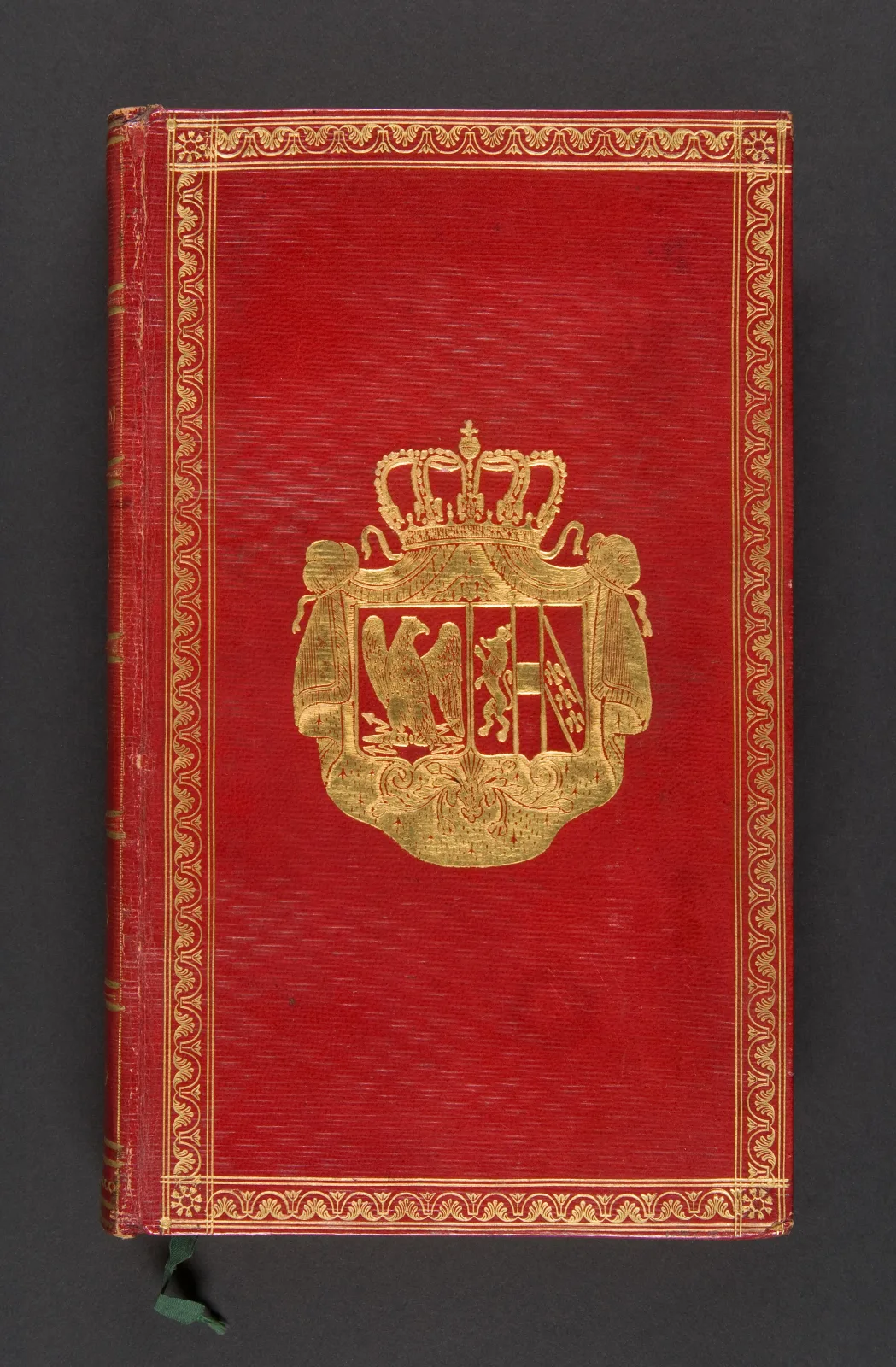
Antique books represent some of the most valuable and historically significant pieces in the world of antiques. From early printed books to rare first editions, each volume tells a story of human knowledge, artistic achievement, and cultural heritage. This comprehensive guide will teach you everything you need to know about identifying antique books, from understanding printing methods to recognizing binding types and determining value.
Table of Contents
Understanding Books and Their Components
Before diving into identification, it's essential to understand what makes up a book and how it was produced.
Basic Book Components
Every book consists of several key parts:
- Text Block: The pages containing the content
- Binding: The cover that holds the book together
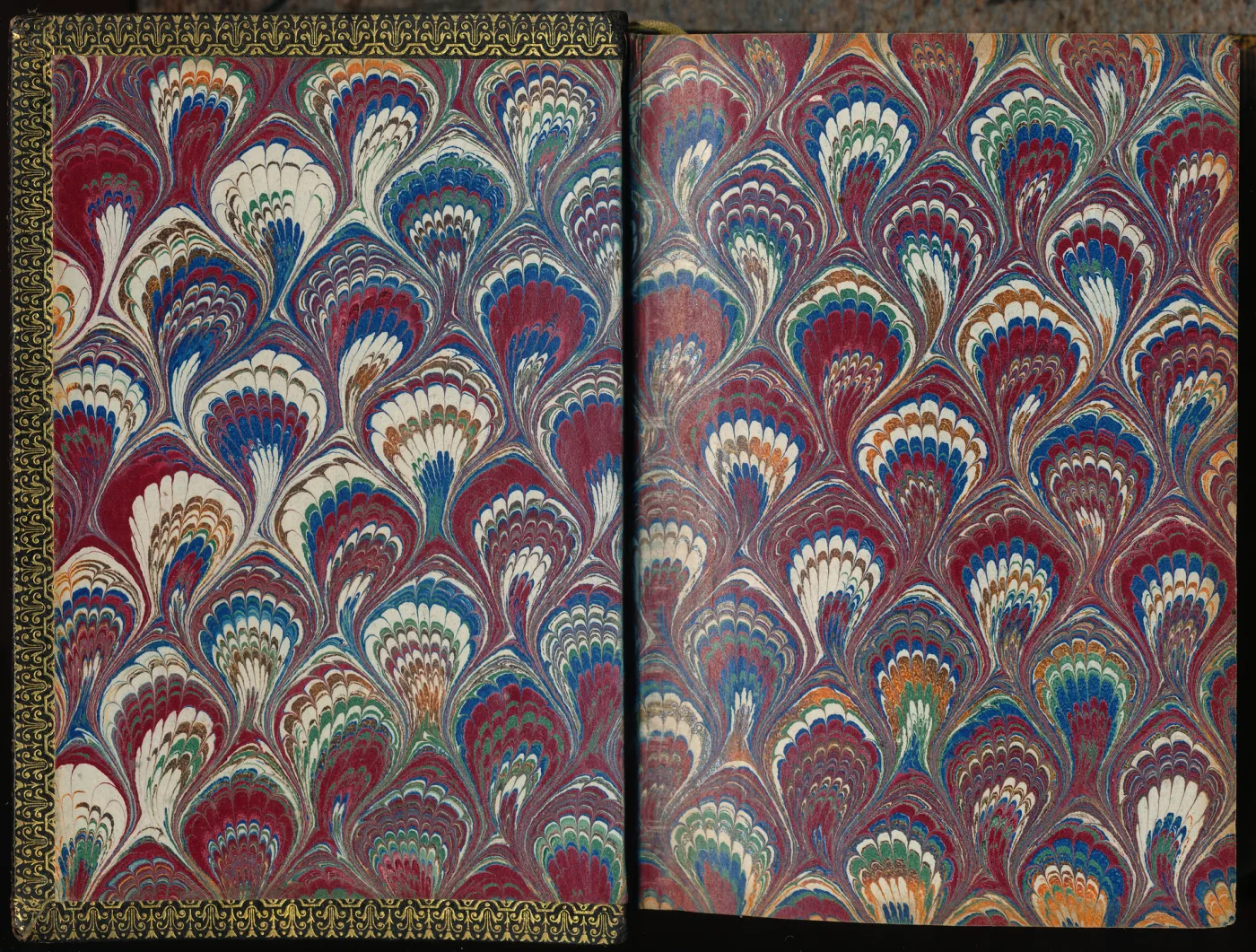
- Endpapers: Decorative papers at front and back
- Spine: The back edge where pages are joined
- Title Page: Page with book title and publication info
Book Formats
Understanding book sizes helps with identification:
- Folio: Large format, pages folded once
- Quarto: Medium format, pages folded twice
- Octavo: Standard format, pages folded three times
- Duodecimo: Small format, pages folded four times
Book vs. Manuscript
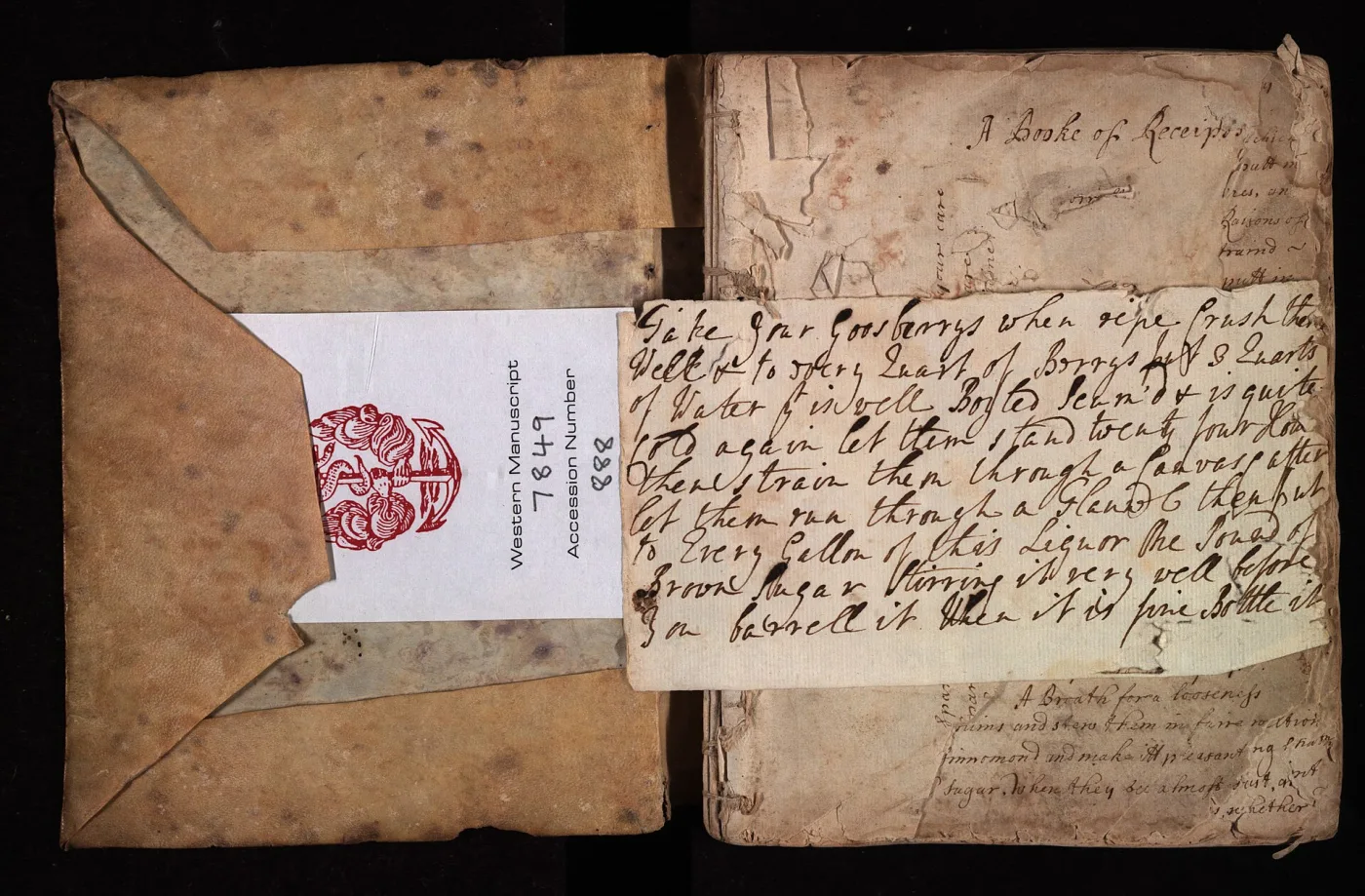
Distinguishing printed books from handwritten manuscripts:
- Printed Books: Mass-produced, uniform text
- Manuscripts: Handwritten, unique copies
- Incunabula: Books printed before 1501
Printing History and Methods
Understanding printing methods helps with dating and authentication.
Early Printing Methods
- Woodblock Printing: Carved wooden blocks, ancient China
- Movable Type: Individual metal letters, Gutenberg
- Copperplate Engraving: Etched metal plates
- Lithography: Stone-based printing, 1796
Printing Technology Evolution
- 15th Century: Gutenberg press, incunabula
- 16th-17th Century: Hand presses, limited editions
- 18th Century: Improved presses, larger print runs
- 19th Century: Steam-powered presses, mass production
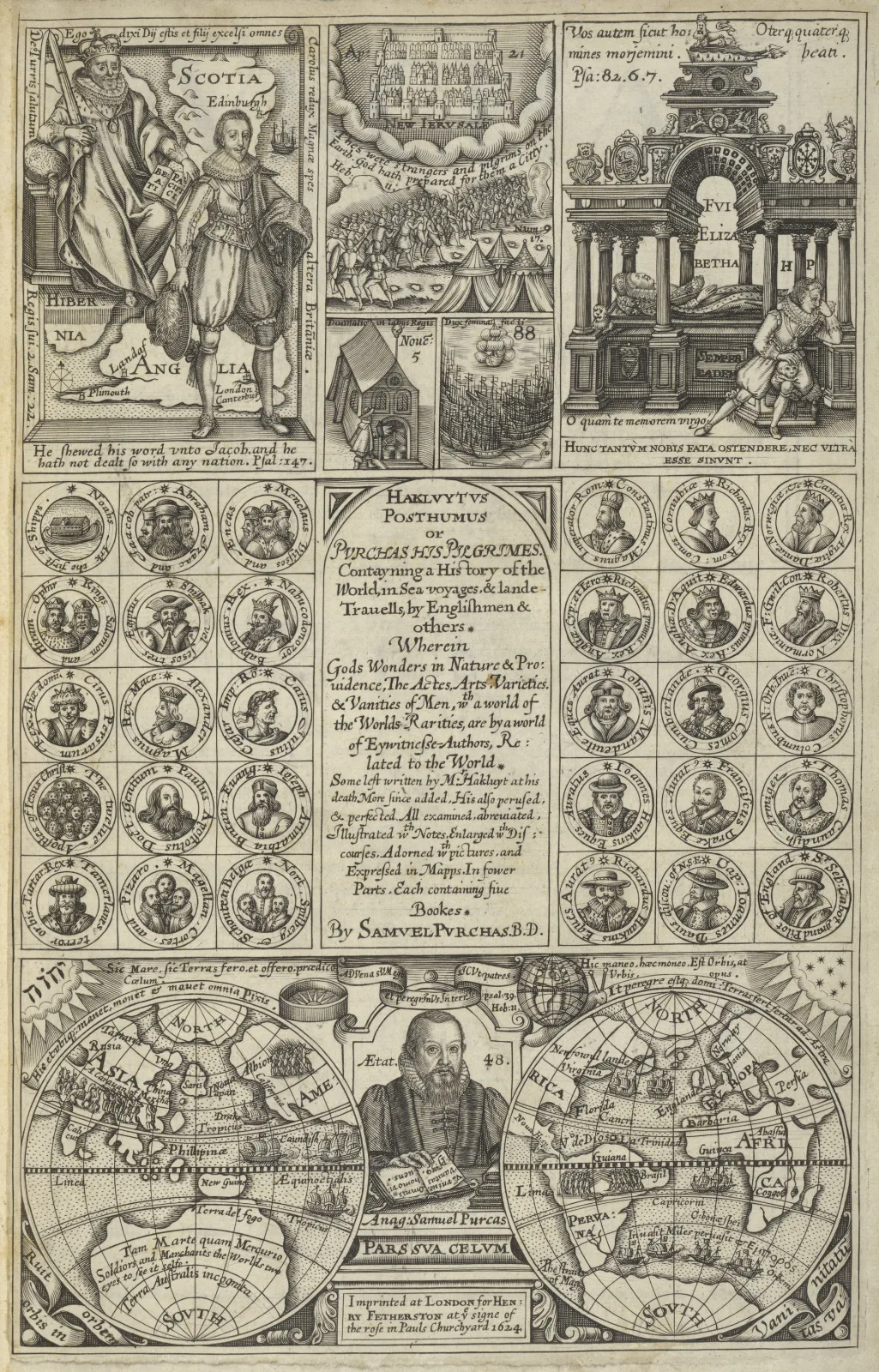
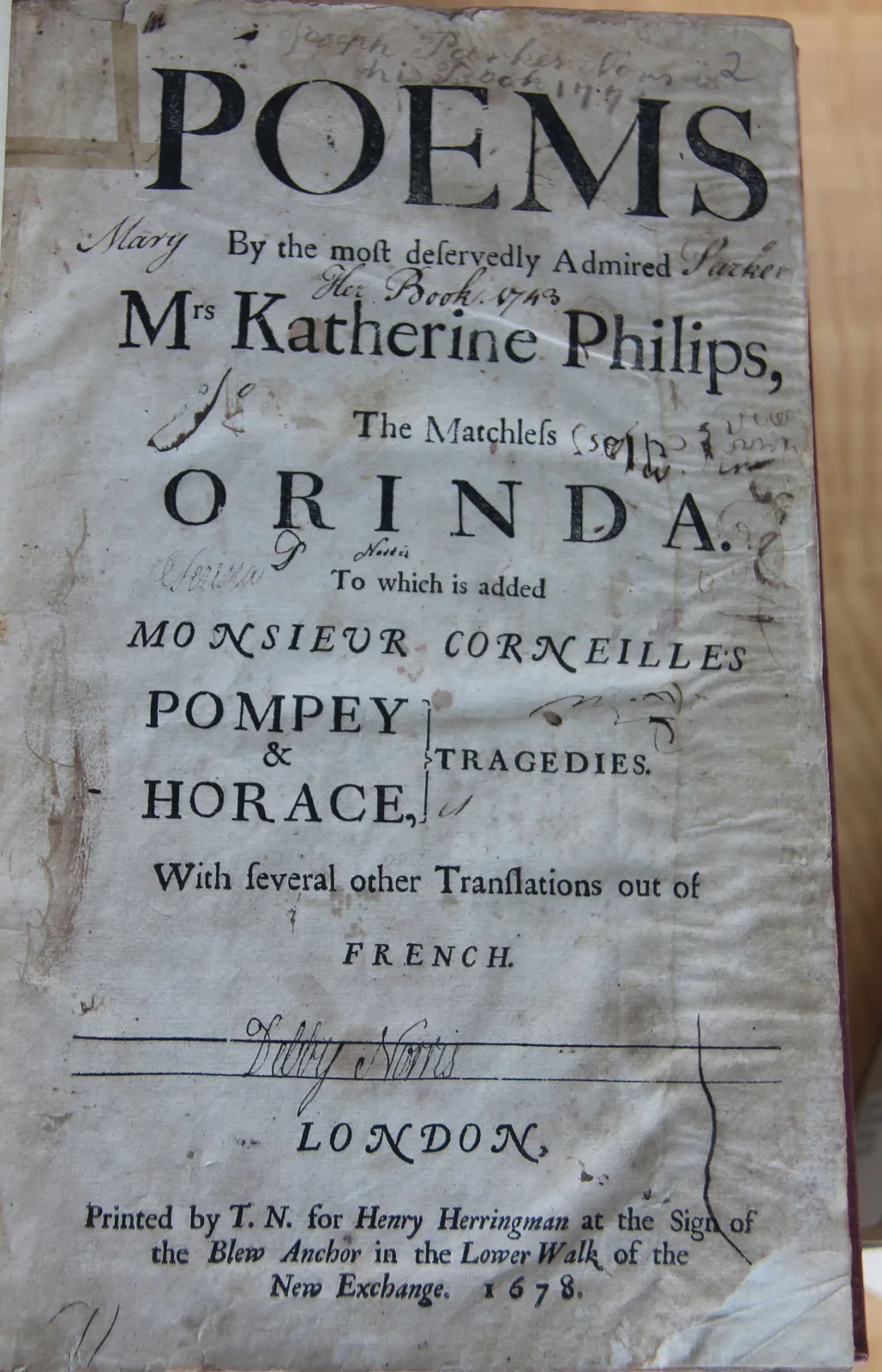
These are the two ways a title page was made, and telling them apart is worth doing because it is a physical fact about the object that no description can fake. An engraved title page was cut into copper and printed on a rolling press, so it can carry a picture and lettering in one image, the lines are fine and vary in thickness, and — the decisive test — the plate leaves an impressed platemark, a shallow rectangular indentation you can feel around the edge of the image. Letterpress is relief printing from raised type, so the ink sits slightly embossed into the paper and you can feel the individual letters from the reverse side, but there is no platemark. Engraved title pages were expensive and mark an ambitious book; they were also often printed separately and inserted, which is why they are the leaf most likely to be missing, and why a book “lacking the engraved title” is worth a fraction of a complete copy. Read the foot of the letterpress page too: printer, bookseller, place and year sit there, and that imprint line is the single most useful thing on the whole book.
Printing Quality Indicators
- Type Quality: Hand-set vs. machine-set type
- Paper Impressions: Depth of printing on paper
- Registration: Alignment of text and images
- Ink Quality: Hand-mixed vs. commercial inks
Binding Identification and Types
The binding provides important clues about age and value.
Binding Materials
- Leather: Calf, goat, sheep, morocco
- Cloth: Cotton, linen, silk
- Paper: Wrappers, boards
- Vellum: Animal skin, early books
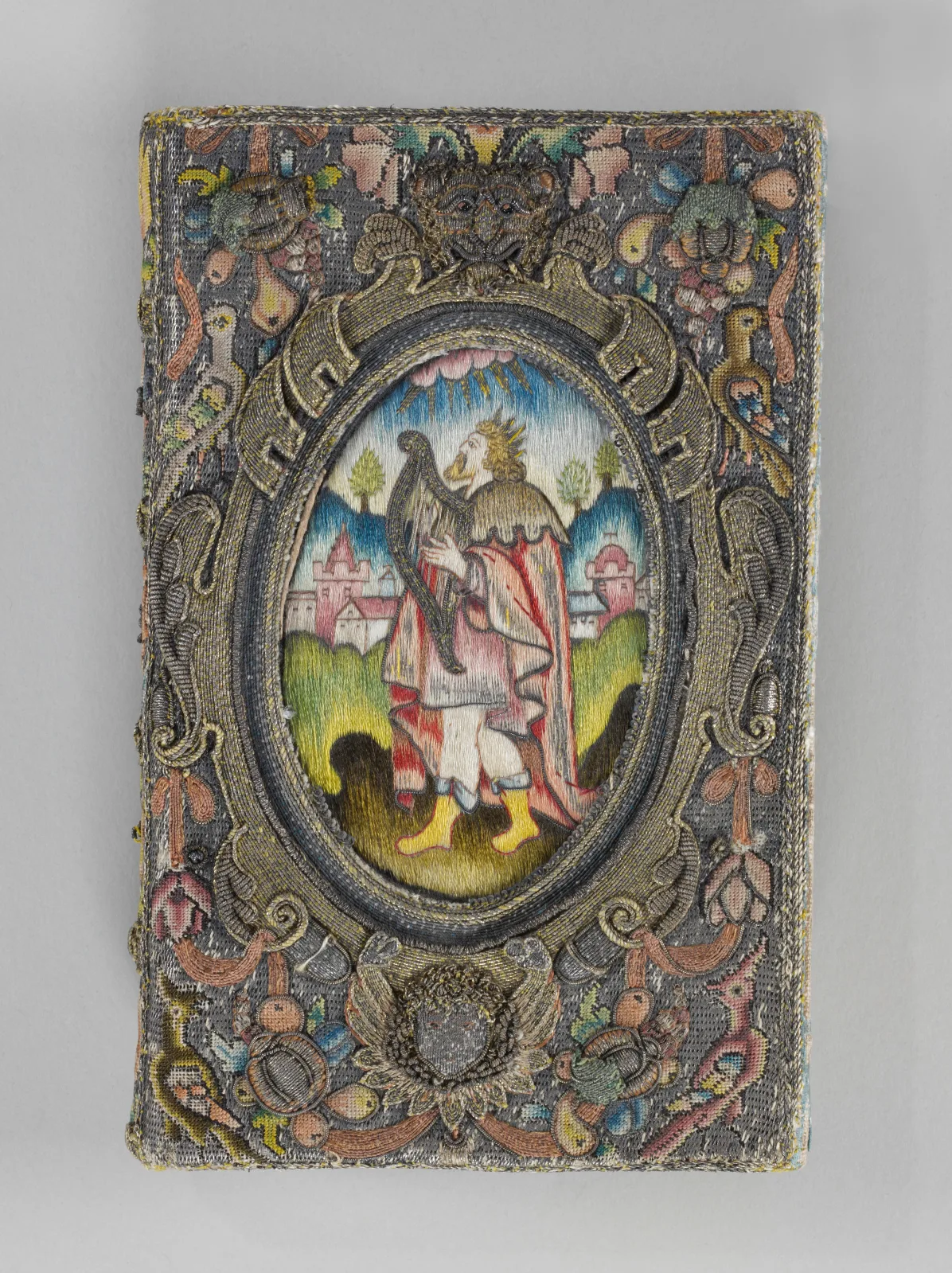
Binding Styles
- Full Binding: Entire cover in one material
- Half Binding: Spine and corners in one material
- Quarter Binding: Only spine in one material
- Three-Quarter Binding: Spine and part of covers
Binding Decoration
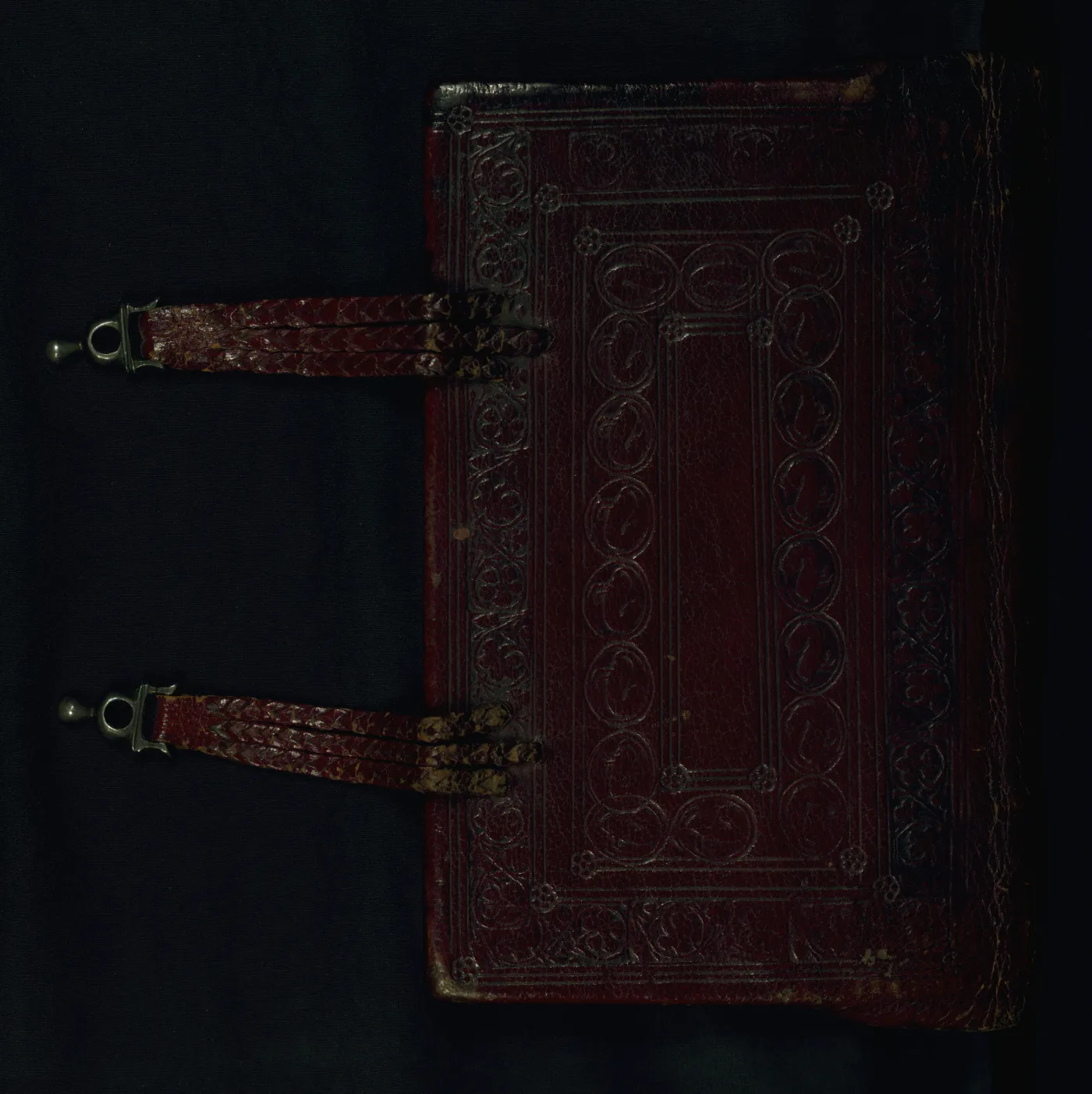
- Blind Tooling: Impressed designs without gold
- Gold Tooling: Gold leaf decoration
- Inlay Work: Different colored leathers
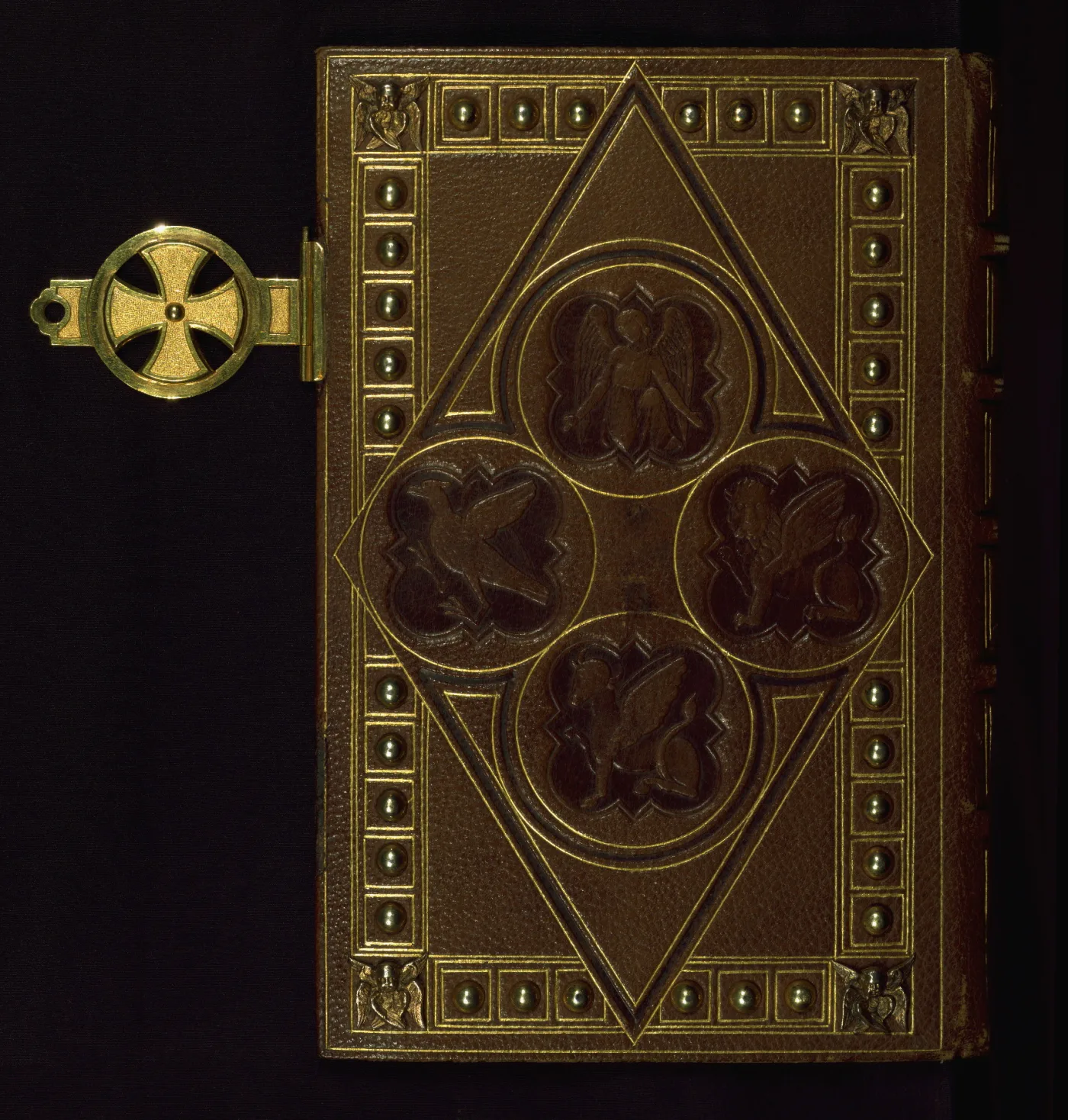
- Embossing: Raised decorative patterns

Paper Analysis and Dating
Understanding paper helps with dating and authentication.
Paper Types
- Handmade Paper: Individual sheets, pre-1800
- Machine-Made Paper: Continuous rolls, post-1800
- Rag Paper: Cotton/linen fibers, high quality
- Wood Pulp Paper: Cheaper, post-1850
Paper Dating Clues
- Watermarks: Embedded designs in paper
- Chain Lines: Parallel lines from papermaking
- Laid Lines: Perpendicular lines from screens
- Paper Color: Natural aging and discoloration
Paper Quality Indicators
- Fiber Content: Rag vs. wood pulp
- Thickness: Weight and density
- Surface Finish: Smooth vs. textured
- Acid Content: Modern vs. archival quality
Edition Identification and Rarity
Understanding editions is crucial for determining value.
Edition Types
- First Edition: First printing of a work
- Limited Edition: Restricted number of copies
- Deluxe Edition: Special binding and materials
- Pirated Edition: Unauthorized copies
Edition Identification Methods
- Title Page Analysis: Publisher, date, edition statement
- Copyright Page: Publication information
- Page Numbering: Roman vs. Arabic numerals
- Printer's Marks: Publisher and printer symbols
Rarity Factors
- Print Run Size: Number of copies printed
- Survival Rate: How many copies still exist
- Historical Significance: Cultural importance
- Author Reputation: Fame and influence
Dating Techniques and Methods
Accurate dating of antique books requires multiple approaches and careful analysis.
Style Analysis
- Typography: Font styles and typefaces
- Layout Design: Page arrangement and spacing
- Decoration: Ornamental elements and motifs
- Binding Style: Cover design and construction
Technical Dating
- Printing Methods: Hand press vs. machine press
- Paper Analysis: Fiber content and watermarks
- Binding Construction: Hand vs. machine binding
- Scientific Methods: Carbon dating, paper analysis
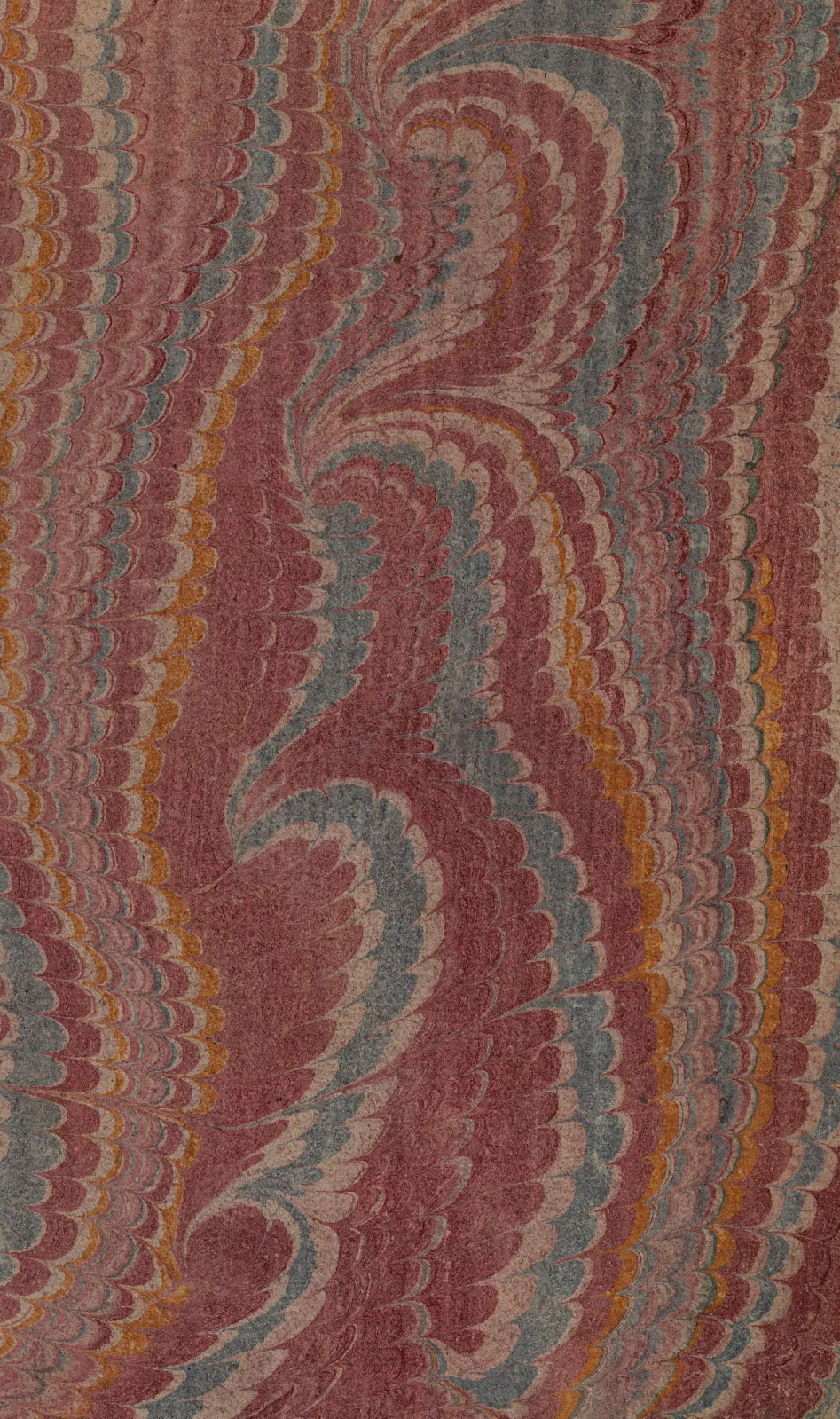
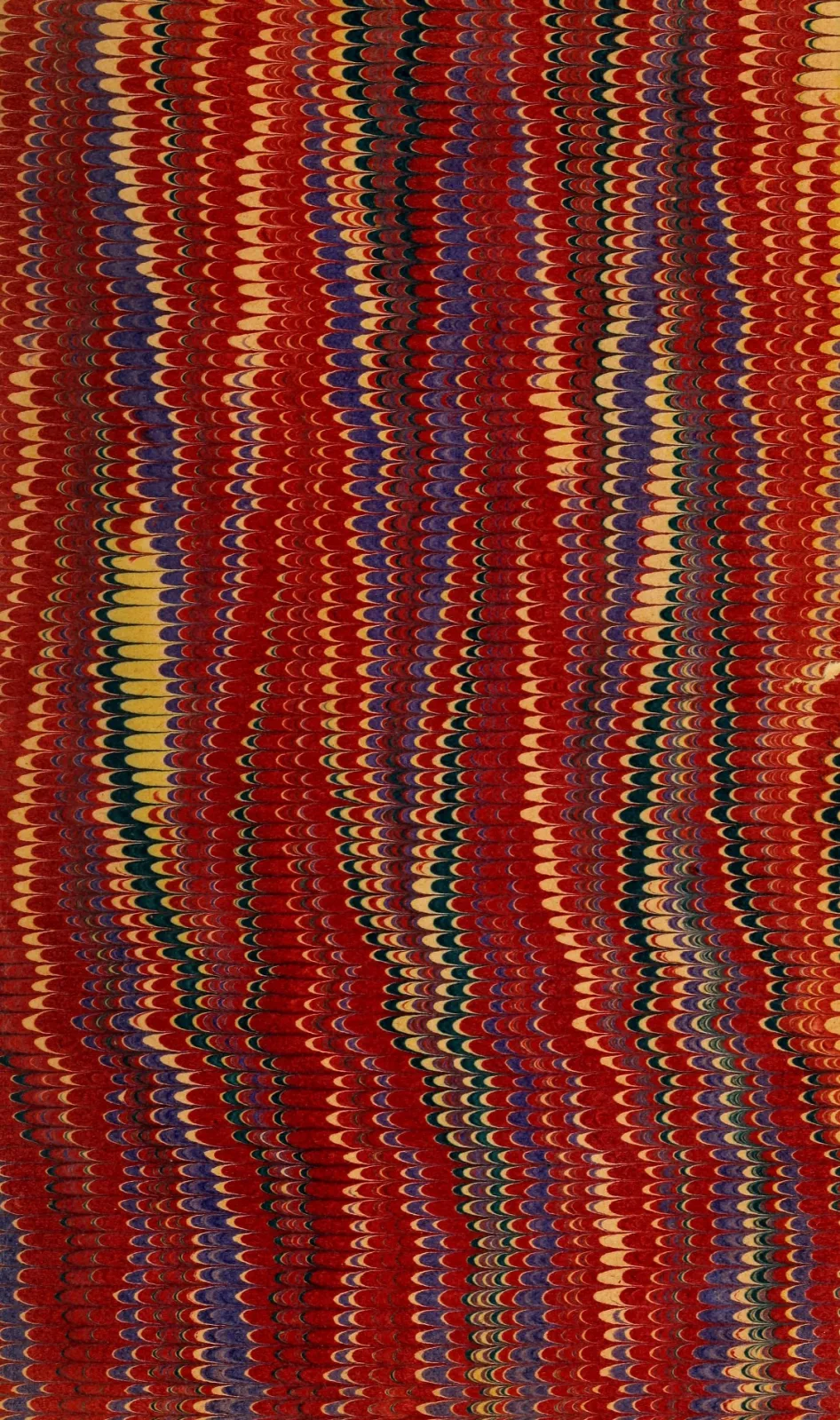
Two combed marbled papers roughly a century apart, and the difference is the whole method of dating a book by its endpapers. The earlier sheet uses few pigments, all of them muted earth colours, drawn with a wide comb into broad soft bands. The later one has more colours, and brighter ones, worked with a fine comb into a tight regular repeat — the direct result of cheaper synthetic pigments and a more industrial workshop. So the rule of thumb runs: the more colours, the brighter they are, and the more mechanically regular the pattern, the later the paper. It is a rough instrument and it dates the binding rather than the text, but it is quick, it needs no reference book, and on a rebound volume it is frequently the only physical evidence available for when the rebinding happened.
Historical Context
- Publisher Records: Company establishment dates
- Author Biographies: Known working periods
- Historical Events: Political and social influences
- Trade Patterns: Import/export influences
Condition Assessment and Value
Understanding book condition is crucial for value determination.
Condition Categories
- Fine: Perfect condition, no damage
- Very Good: Minor wear, no significant damage
- Good: Some wear, minor repairs acceptable
- Fair: Moderate wear, some damage
- Poor: Significant damage, reduced value
Common Damage Types
- Binding Damage: Worn covers, loose hinges
- Page Problems: Tears, stains, missing pages
- Spine Issues: Cracking, separation
- Environmental Damage: Mold, water damage, foxing
Value Impact
- Minor Damage: 10-25% value reduction
- Major Damage: 50-80% value reduction
- Missing Pages: 30-60% value reduction
- Poor Binding: 40-70% value reduction
Market Factors and Trends
Understanding market dynamics helps with book valuation and collecting.
Value Factors
- Rarity: Limited production, unique copies
- Condition: Original state, minimal damage
- Provenance: Famous ownership, documented history
- Author: Famous or important writer
- Period: Desirable historical era
Market Considerations
- Current Trends: Popular authors and subjects
- Economic Factors: Market conditions, collector interest
- Geographic Demand: Regional preferences and markets
- Collector Interest: Specialized collector groups
Investment Potential
- Quality Copies: Better long-term value retention
- Rare Items: Higher appreciation potential
- Market Timing: Buy during market downturns
- Diversification: Spread risk across categories
Conclusion
Antique book identification is a fascinating field that combines historical knowledge, technical understanding, and aesthetic appreciation. By learning to recognize printing methods, binding types, and edition characteristics, you can develop the expertise needed to identify and authenticate antique book pieces.
Remember that book identification often requires multiple pieces of evidence working together. A single characteristic is rarely definitive, but when combined with other indicators, it can provide a clear picture of an item's age, origin, and authenticity.