Asian Antiques Identification Guide: Expert Tips for Chinese, Japanese & Southeast Asian Art
Asian antiques represent one of the most sophisticated and sought-after collecting categories in 2026, with centuries-old traditions of craftsmanship spanning from China to Japan, Korea, and Southeast Asia. From exquisite Chinese porcelain with imperial reign marks to intricate Japanese netsuke and breathtaking jade carvings, Asian art encompasses a vast array of materials, techniques, and cultural significance that captivates collectors worldwide.
The rising interest in Asian antiques reflects both their aesthetic beauty and investment potential, with pieces ranging from Ming dynasty furniture to Meiji period cloisonné commanding significant prices at auction houses globally. However, the market is also flooded with reproductions and forgeries, making proper identification and authentication skills essential for collectors and enthusiasts.
This comprehensive guide covers identification techniques for major categories of Asian antiques including Chinese ceramics, Japanese decorative arts, jade and hardstone carvings, metalwork, furniture, textiles, and Buddhist art. You'll learn to recognize authentic period pieces, understand regional variations, interpret marks and signatures, and assess condition and value like an expert.
Table of Contents
- Chinese Ceramics and Porcelain
- Japanese Ceramics and Pottery
- Jade and Hardstone Carvings
- Netsuke and Okimono
- Asian Lacquerware
- Cloisonné and Metalwork
- Asian Furniture
- Screens and Decorative Panels
- Textiles and Embroideries
- Buddhist and Religious Art
- Ivory and Bone Carvings
- Understanding Asian Marks and Signatures
- Dating Asian Antiques
- Authentication and Forgery Detection
- Regional Styles and Characteristics
- Condition Assessment and Conservation
- Market Values and Investment Potential
- Collecting Strategies and Resources
Chinese Ceramics and Porcelain
Chinese ceramics represent the pinnacle of ceramic achievement, with a history spanning over 10,000 years. From Tang dynasty three-color glazes to Ming blue-and-white porcelain and Qing famille rose enamels, Chinese porcelain has influenced ceramic production worldwide.
Dynasty Periods and Characteristics
Understanding Chinese ceramic history requires familiarity with major dynasties and their distinctive styles. Tang dynasty (618-907 CE) pieces feature bold three-color (sancai) glazes in amber, green, and cream, often on tomb figures and vessels. Song dynasty (960-1279) ceramics are renowned for subtle monochrome glazes including celadon, Jun, Ding, and Ru wares, representing the height of refined taste.
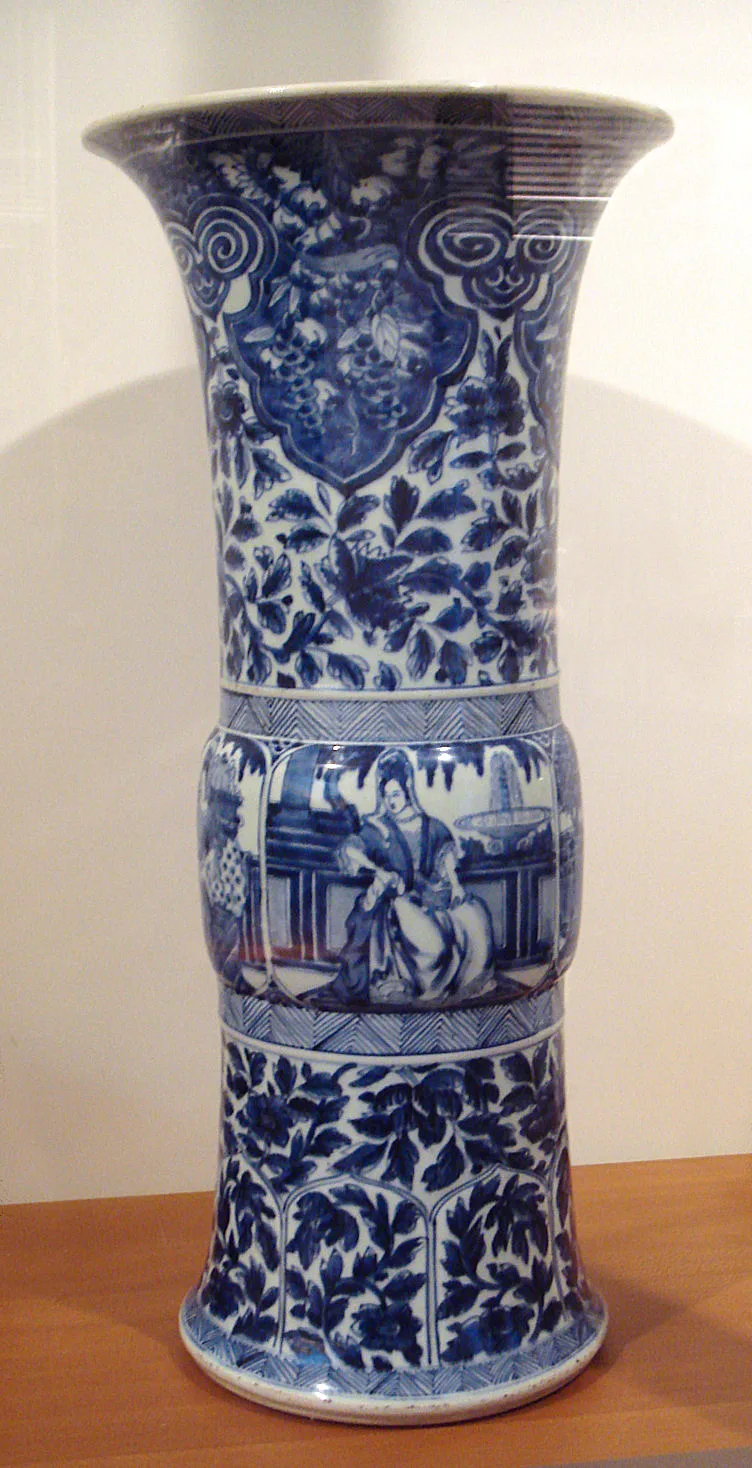
Yuan dynasty (1271-1368) saw the introduction of underglaze blue decoration that would define Ming porcelain. Ming dynasty (1368-1644) blue-and-white porcelain remains the most recognizable Chinese ceramic style, with cobalt blue designs on pure white porcelain bodies. Early Ming pieces from the Yongle and Xuande reigns are particularly prized for their quality.
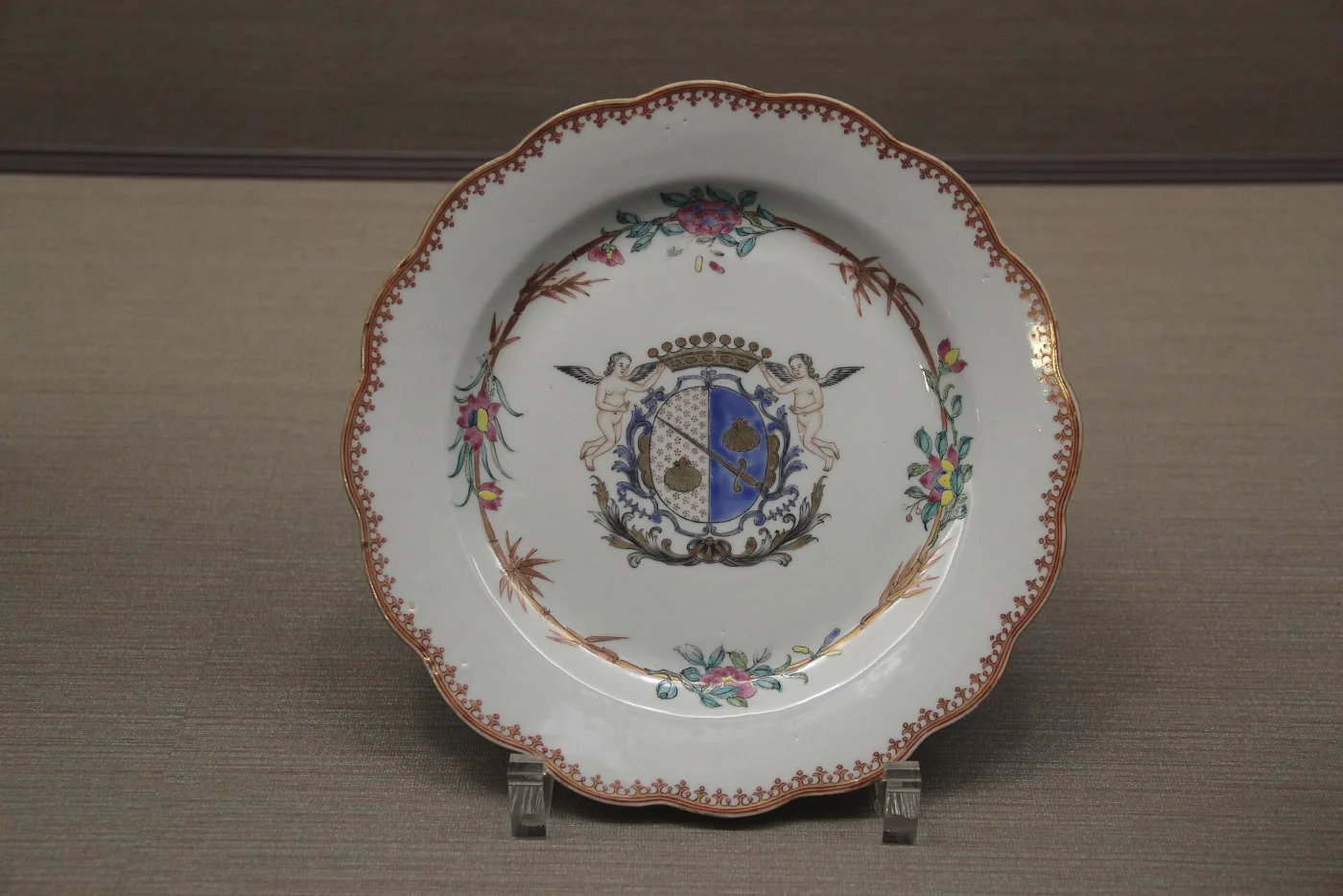
Qing dynasty (1644-1912) ceramics showcase technical virtuosity with famille verte, famille rose, and famille noire enamels. The Kangxi, Yongzheng, and Qianlong reigns represent the golden age of Qing porcelain, with imperial quality pieces commanding astronomical prices today. The same famille-rose palette decorated the Cantonese Rose Medallion porcelain that filled Western households through the China trade.
Reign Marks and Dating
Chinese porcelain often bears reign marks on the base, written in seal script or standard script within double circles or squares. A six-character mark typically reads: "Great [Dynasty] [Reign Period] Made" in vertical columns read right to left. For example, "大明宣德年製" translates to "Made in the Xuande reign of the Great Ming."
However, reign marks must be approached with caution. Chinese potters commonly used marks from earlier prestigious reigns as homages rather than forgeries. A piece with a Xuande mark might actually date from the Kangxi period, 300 years later. Authenticating Chinese porcelain requires examining body, glaze, decoration style, potting techniques, and foot construction in addition to marks.
Body and Glaze Analysis
Authentic Chinese porcelain has a dense, hard, white body that rings clearly when tapped. The glaze should be smooth and lustrous with appropriate crackle patterns for the period. Ming blue-and-white typically shows a subtle orange-peel texture in the glaze, while Qing pieces often have glassier, more perfect glazes.
Examine the foot rim carefully. Early pieces show hand-finishing marks and natural irregularities. The unglazed foot should show appropriate aging, with iron spots from the kiln. Modern reproductions often have overly smooth, perfect feet or artificially aged surfaces.
Regional Kilns and Wares
Beyond imperial porcelain, regional kilns produced distinctive wares. Jingdezhen in Jiangxi province was the imperial kiln center, but other kilns like Dehua (producing white blanc-de-chine), Yixing (famous for unglazed stoneware teapots), and Shiwan (creating colorful figural ceramics) each had unique characteristics recognizable to collectors.
Japanese Ceramics and Pottery
Japanese ceramics developed distinct aesthetics that value natural imperfection and understated beauty, contrasting with Chinese formal perfection. Understanding Japanese pottery requires familiarity with major kiln centers, tea ceremony aesthetics, and export wares.
Imari and Arita Porcelain
Imari porcelain, produced in Arita and shipped through the port of Imari, became Japan's most successful export ware from the 17th century onward. Classic Imari features underglaze blue decoration with overglaze iron-red and gilt accents in dense, asymmetrical patterns.
Early Imari from the mid-17th century shows restrained decoration and high-quality potting. Later 19th-century export pieces became more elaborate and gaudy to suit Western tastes. Authentic Imari has a slightly grayish porcelain body visible at the foot rim, quite different from pure white Chinese porcelain.
Satsuma Ware
Satsuma ware is a cream-colored, finely crackled pottery decorated with polychrome enamels and gilt. The finest Satsuma dates from the Edo and early Meiji periods, featuring delicate figural scenes, floral designs, and elaborate brocade patterns.
Authentic early Satsuma has a soft, ivory-toned body with fine, even crackling throughout the glaze. The decoration should be meticulously detailed with raised gilt and enamel work. Later mass-produced pieces lack this refinement and often have coarser crackling and cruder painting. Look for artist signatures on quality pieces.
Tea Ceremony Wares
Japanese tea ceremony pottery represents the aesthetic philosophy of wabi-sabi, finding beauty in imperfection and transience. Raku tea bowls, made for the tea ceremony, are hand-formed with thick, irregular walls and rough texture. Famous kiln centers include Raku in Kyoto, Hagi, Bizen, Shigaraki, and Karatsu.
Authenticating tea wares requires understanding the aesthetic principles and construction techniques specific to each tradition. Look for appropriate clay bodies, firing techniques, and the conscious asymmetry that defines tea ceremony aesthetics. Signed pieces by recognized tea pottery families command premium prices.
Kutani and Other Decorative Wares
Kutani porcelain from Ishikawa prefecture features bold overglaze enamel decoration in distinctive color palettes. Old Kutani (Ko-Kutani) from the 17th century uses green, yellow, purple, blue, and red in geometric and naturalistic patterns. Revival Kutani from the 19th century shows different styles including Yoshidaya (green, yellow, purple, and blue without red) and Iidaya (detailed red figure work).
Noritake and Nagoya Export Porcelain
From the late nineteenth century onward, the city of Nagoya became Japan's centre of Western-style porcelain manufacturing for export. Noritake porcelain, produced by Nippon Toki Kaisha from 1904, dominated this market with hand-painted Nippon-era vases, Art Deco lustreware, and dinnerware patterns such as Azalea and Tree in the Meadow. Reading Noritake backstamps — Maruki, Komaru, M-in-Wreath, and RC — together with country-of-origin marks (Nippon, Japan, Occupied Japan) dates most pieces within a five- to ten-year window.
Jade and Hardstone Carvings
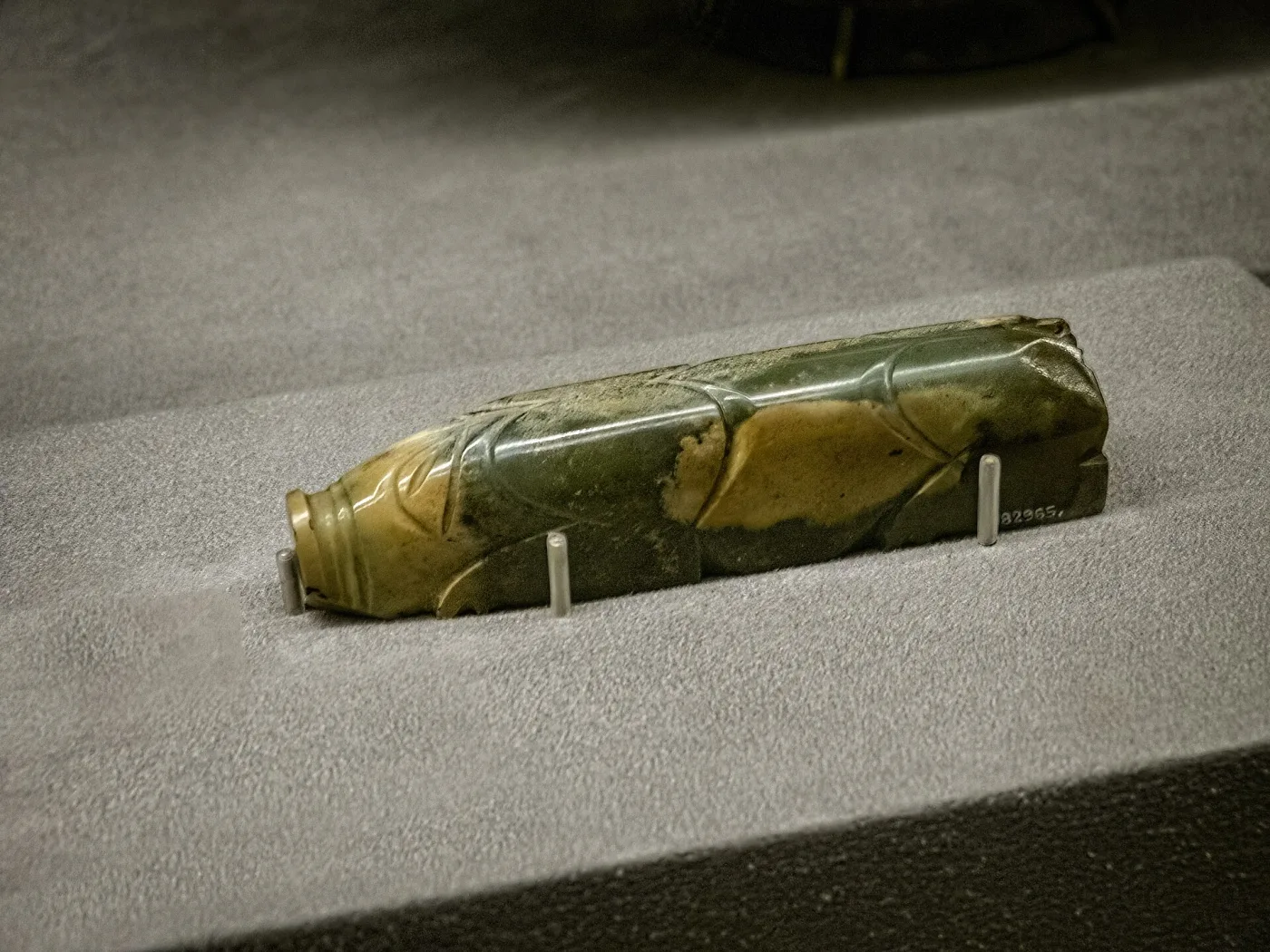
Jade holds supreme importance in Chinese culture, valued above gold for millennia. The term "jade" encompasses two distinct minerals: nephrite (traditional Chinese jade) and jadeite (Burmese jade introduced in the 18th century). Chinese hardstone carvings also include rock crystal, agate, carnelian, lapis lazuli, and other semi-precious stones.
Nephrite versus Jadeite
Nephrite, used in China for over 8,000 years, ranges from white through yellow, brown, and green tones. It has a softer, more waxy appearance than jadeite. Nephrite is a tough, fibrous stone that takes detailed carving well. Major sources include Xinjiang (Hetian jade) and Siberia.
Jadeite, introduced from Burma in the 18th century, became highly prized during the Qing dynasty. The most valuable jadeite is vivid emerald green ("imperial jade"), but it also occurs in lavender, white, yellow, and other colors. Jadeite has a glassier, more translucent appearance than nephrite and can achieve more intense colors.
Carving Styles and Periods
Archaic jades from the Neolithic through Han dynasty (pre-220 CE) include ritual objects like bi discs, cong tubes, and ceremonial weapons. These pieces show distinctive drilling techniques, smoothly polished surfaces, and geometric forms. Authentic archaic jades develop characteristic surface deterioration called "calcification" or "chicken bone" from burial.
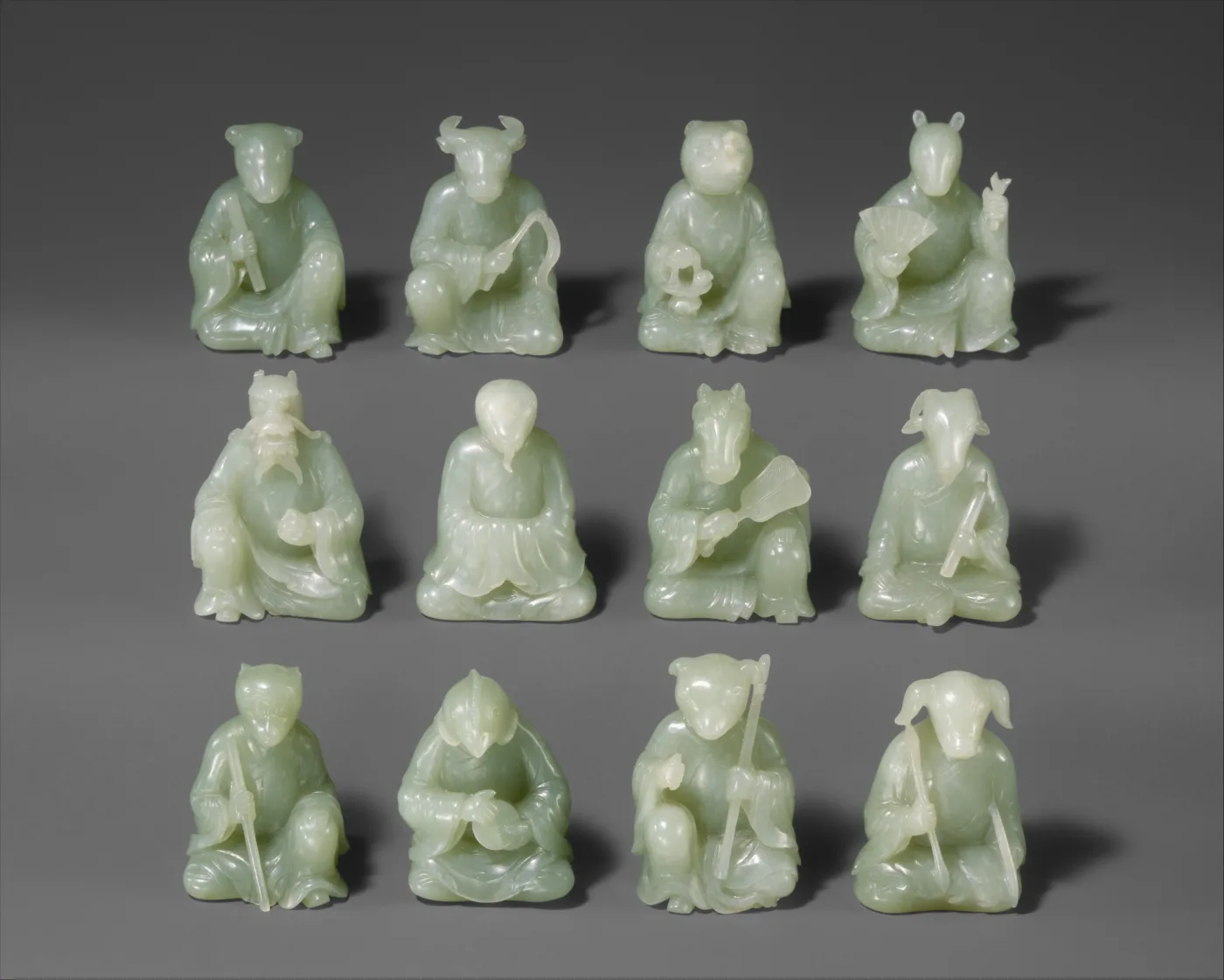
Ming and Qing dynasty jade carvings showcase technical virtuosity with intricate openwork, detailed surface decoration, and sophisticated forms. Common subjects include Buddhist figures, landscape carvings, animal sculptures, vessels, and scholar's objects. Qing imperial jade carvings represent the pinnacle of the art, with pieces taking years to complete.
Authentication Considerations
Authenticating jade requires careful examination of carving techniques, tool marks, surface condition, and stylistic elements. Ancient drilling shows characteristic stepped profiles and tool marks visible under magnification. Hand-polishing creates subtle irregularities unlike machine polishing.
Beware of artificially aged jade with surface staining, acid etching, or burial to simulate antiquity. Under strong light, examine the surface for tooling consistency and appropriate wear patterns. Modern ultrasonic carving leaves different marks than traditional hand tools.
Testing jade requires caution as many methods can damage pieces. Visual examination, specific gravity testing (nephrite approximately 2.9-3.0, jadeite 3.3-3.5), and refractive index can help distinguish jade types. For valuable pieces, gemological laboratory testing provides definitive identification.
Regional and Cultural Variations
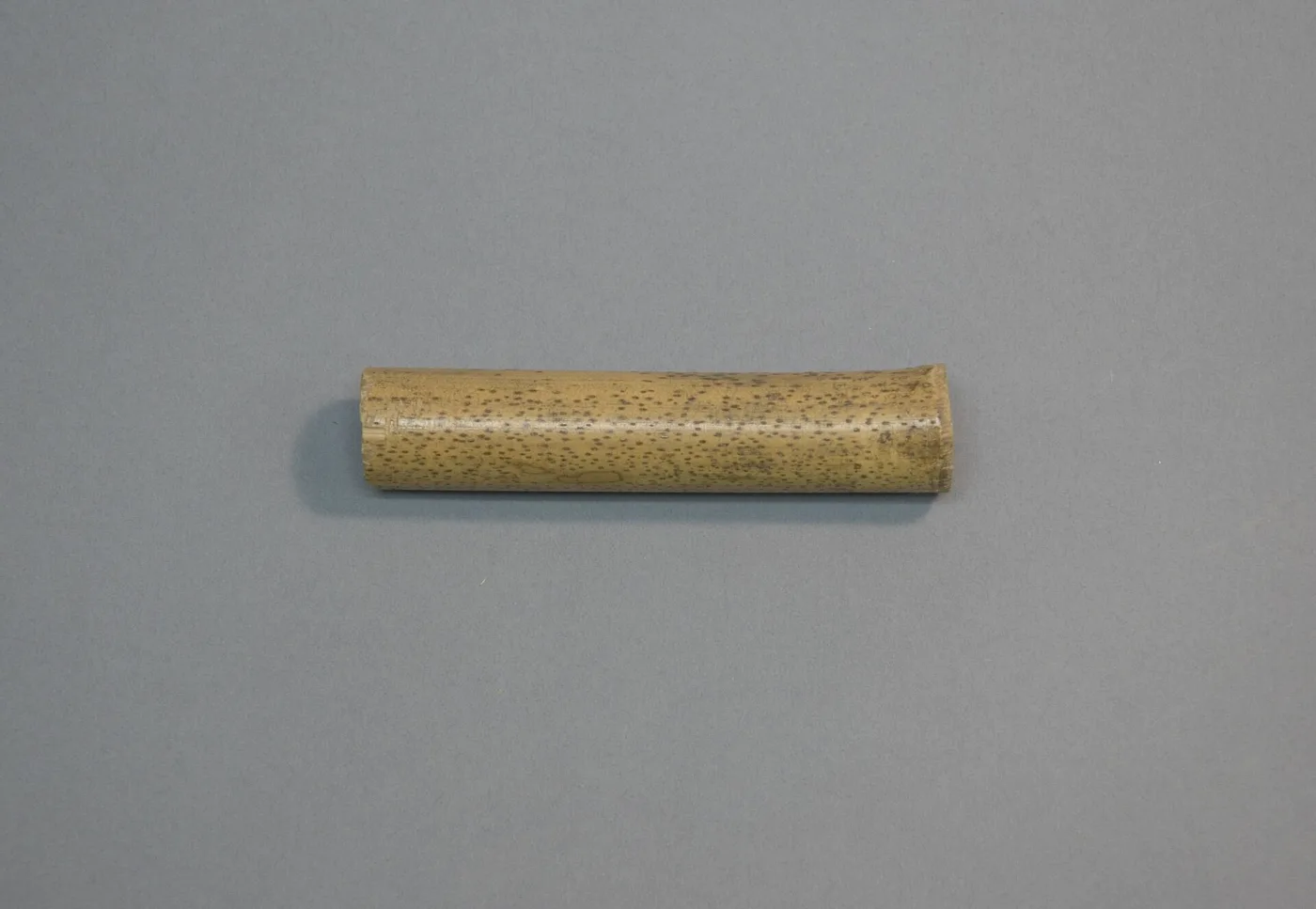
Chinese jade carving traditions differ from Japanese and Korean approaches. Japanese jade (gyoku) work tends toward simpler, more naturalistic forms. Korean jade shows distinctive characteristics in color preferences and carving styles. Understanding these regional differences helps with attribution and authentication.
Netsuke and Okimono
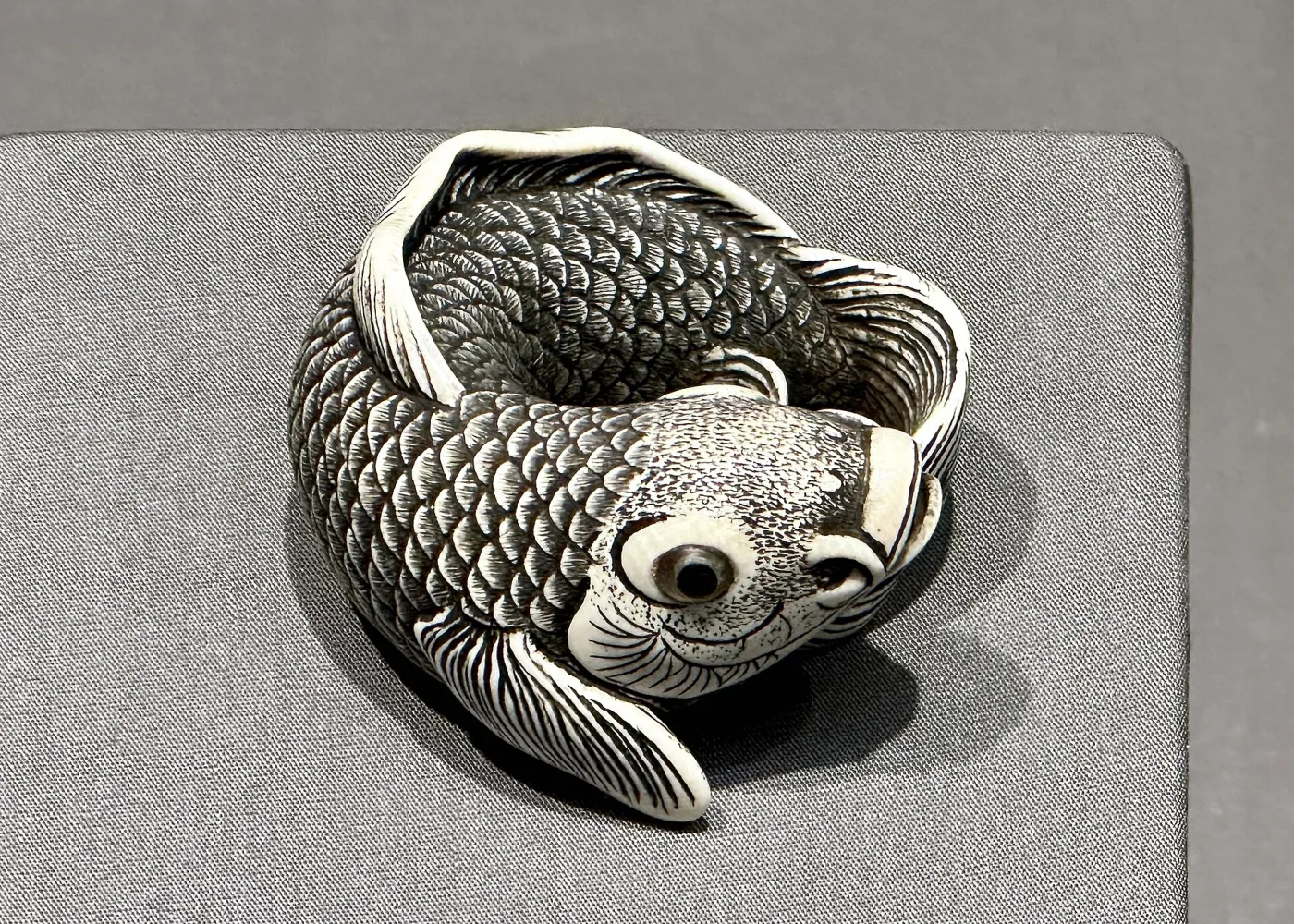
Netsuke are miniature sculptures that served as toggles for securing items to traditional Japanese clothing. These small carvings evolved into sophisticated art forms collected worldwide. Okimono are larger decorative sculptures without functional purpose, often showing extraordinary technical skill.
Netsuke Materials and Forms
Traditional netsuke were carved from ivory, wood, and various other materials including stag antler, walrus tusk, coral, amber, and ceramic. Ivory netsuke from the 18th and 19th centuries represent the height of the art. Boxwood (tsuge) netsuke showcase warm, dense wood suitable for fine detail.
Netsuke types include katabori (three-dimensional figures), manju (flat, round forms), mask netsuke (miniature masks), kagamibuta (metal disk on bowl base), and sashi (elongated forms worn thrust through the belt). Each form developed distinct aesthetic traditions and carving techniques.
Identifying Quality and Period
Authentic period netsuke show appropriate aging, natural patina, and distinctive tool marks. Edo period (1615-1868) pieces typically display restrained carving with smooth surfaces and subtle details. Meiji period (1868-1912) netsuke often show more elaborate decoration and technical virtuosity as the form transitioned from functional object to collector's item.
Examine the himotoshi (cord holes) carefully. Period netsuke show wear inside the holes from cord friction. The holes should be smoothly finished and appropriately placed for balance. Modern reproductions often have too-perfect holes without wear, or poorly conceived placement.
Famous Carvers and Signatures
Signatures on netsuke require careful study. Major carving schools and individual masters signed their work, but signatures were also commonly forged or applied to later pieces. Research confirmed signatures of famous carvers like Tomotada, Masanao, Tomokazu, and others.
However, many excellent unsigned netsuke exist, as some of the finest carvers didn't sign their work consistently. Judge quality on artistic merit, carving skill, materials, and condition rather than signatures alone. Compare suspected signatures with verified examples in reference materials.
Okimono Identification
Okimono are larger display sculptures that flourished during the Meiji period as Japan opened to Western trade. These pieces range from realistic animal sculptures to elaborate figural groups showcasing breathtaking technical skill in ivory, bronze, and mixed media.
Quality okimono display extraordinary attention to detail, realistic proportions, and dynamic composition. Ivory okimono often feature stained or inlaid elements, articulated parts, and intricate surface carving. Bronze okimono showcase sophisticated casting and patination techniques with gilt and other metal inlays.
Authentication involves examining construction methods, patina development, signatures, and stylistic consistency with documented works. The market includes many later reproductions, so provenance and expert authentication are important for valuable pieces.
Asian Lacquerware
Lacquer, derived from the sap of the lacquer tree (Toxicodendron vernicifluum), has been used in Asia for thousands of years to create durable, beautiful objects. Chinese, Japanese, Korean, and Southeast Asian lacquer traditions each developed distinctive techniques and aesthetics.
Chinese Lacquer Techniques
Chinese lacquer includes numerous specialized techniques. Carved lacquer (tixi or qiqi) involves applying multiple layers of lacquer, sometimes numbering in the hundreds, then carving through the layers to create relief designs showing different colors.
Cinnabar lacquer features deep red carved decoration, popular from the Song dynasty onward. Authentic carved lacquer shows the layered structure in cross-section and has appropriate weight from the multiple lacquer coats. Carved designs should show appropriate tool marks and natural variations in depth.
Other Chinese lacquer techniques include mother-of-pearl inlay, gold lacquer decoration, and Coromandel screens (actually incised lacquer, not true Coromandel work). Each technique requires specific examination for authentication.
Japanese Lacquer Arts
Japanese lacquer (urushi) achieves extraordinary refinement through maki-e (sprinkled gold and silver decoration), nashiji (pear-skin ground), and raden (shell inlay) techniques. Edo and Meiji period lacquer includes tea ceremony wares, inro (medicine boxes), furniture, and decorative objects.
Quality Japanese lacquer displays smooth, even surfaces with luminous depth. Decoration should be precisely executed with appropriately aged gold and silver elements. Examine the interior and base for construction details and lacquer application techniques.
Authentic period lacquer develops a distinctive patina and may show appropriate wear consistent with age and use. Modern reproductions often lack the depth and quality of traditional lacquer or show artificial aging.
Condition and Restoration Issues
Lacquer is sensitive to humidity and temperature changes. Common condition problems include crazing, flaking, warping of the substrate, and lifting decoration. Some restoration is acceptable and expected on older pieces, but extensive restoration significantly impacts value.
Examine pieces carefully under strong light at various angles to reveal repairs and restoration. Ultra-violet light can help identify modern materials used in restoration. For valuable pieces, condition reporting by a specialist is advisable.
Cloisonné and Metalwork
Asian metalwork encompasses bronze vessels, cloisonné enamels, silver objects, and decorative metalwork in various alloys. These pieces range from ancient bronze ritual vessels to elaborate Meiji period decorative arts.
Chinese Cloisonné
Chinese cloisonné involves creating metal wire cells (cloisons) on a metal body, filling them with colored enamel paste, firing, and polishing. The technique reached its height during the Ming dynasty, particularly the Jingtai period, giving rise to the term "Jingtai blue" for the distinctive turquoise enamel color.
Ming cloisonné features rich, deep colors with turquoise blue predominating. The enamels have a slightly grainy texture and the bronze wires are relatively thick. Qing dynasty cloisonné shows more refined technique with thinner wires, smoother enamels, and more complex color palettes.
Authenticate cloisonné by examining the bronze body (it should be appropriately aged), the quality of the enamel work (look for fine, even cells and good color), and construction details. Modern pieces often have brass rather than bronze bodies, perfectly smooth enamels, and lack appropriate patina.
Japanese Metalwork and Cloisonné
Japanese cloisonné (shippo-yaki) achieved technical perfection during the Meiji period. Companies like Namikawa Yasuyuki and Ando created pieces with extraordinary detail, subtle color gradations, and innovative techniques including wireless cloisonné and plique-à-jour (translucent) effects.
Quality Meiji cloisonné displays flawless enamel surfaces, precise wire placement, and sophisticated decoration. Artist signatures and company marks appear on many pieces. The finest examples command premium prices and are represented in major museum collections.
Japanese mixed-metal work showcases bronze, copper, silver, and gold in various alloy combinations. Techniques include inlay, overlay, patination, and casting. Look for quality of decoration, appropriate patina, and artist signatures on bronze vases, tea ceremony implements, and decorative objects.
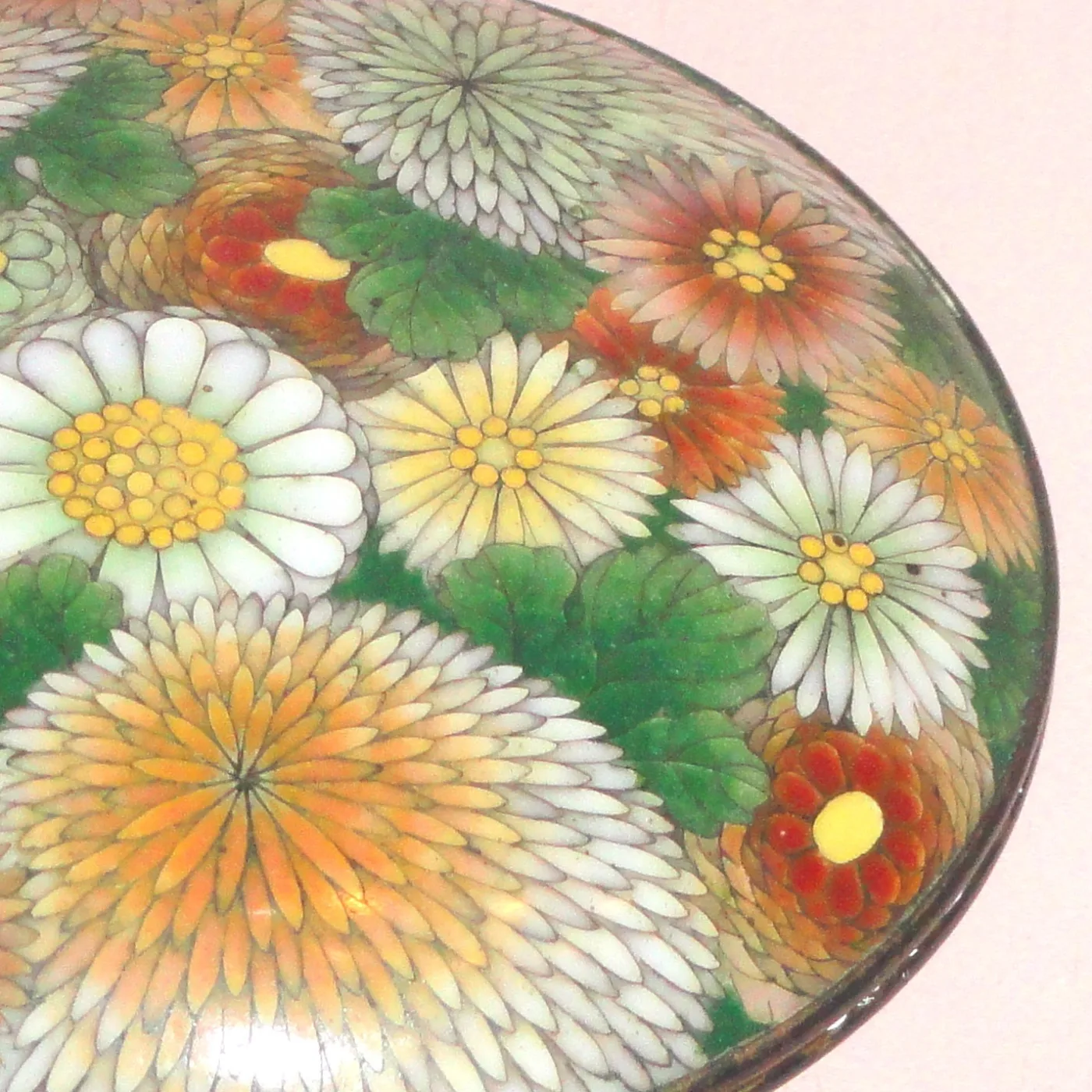
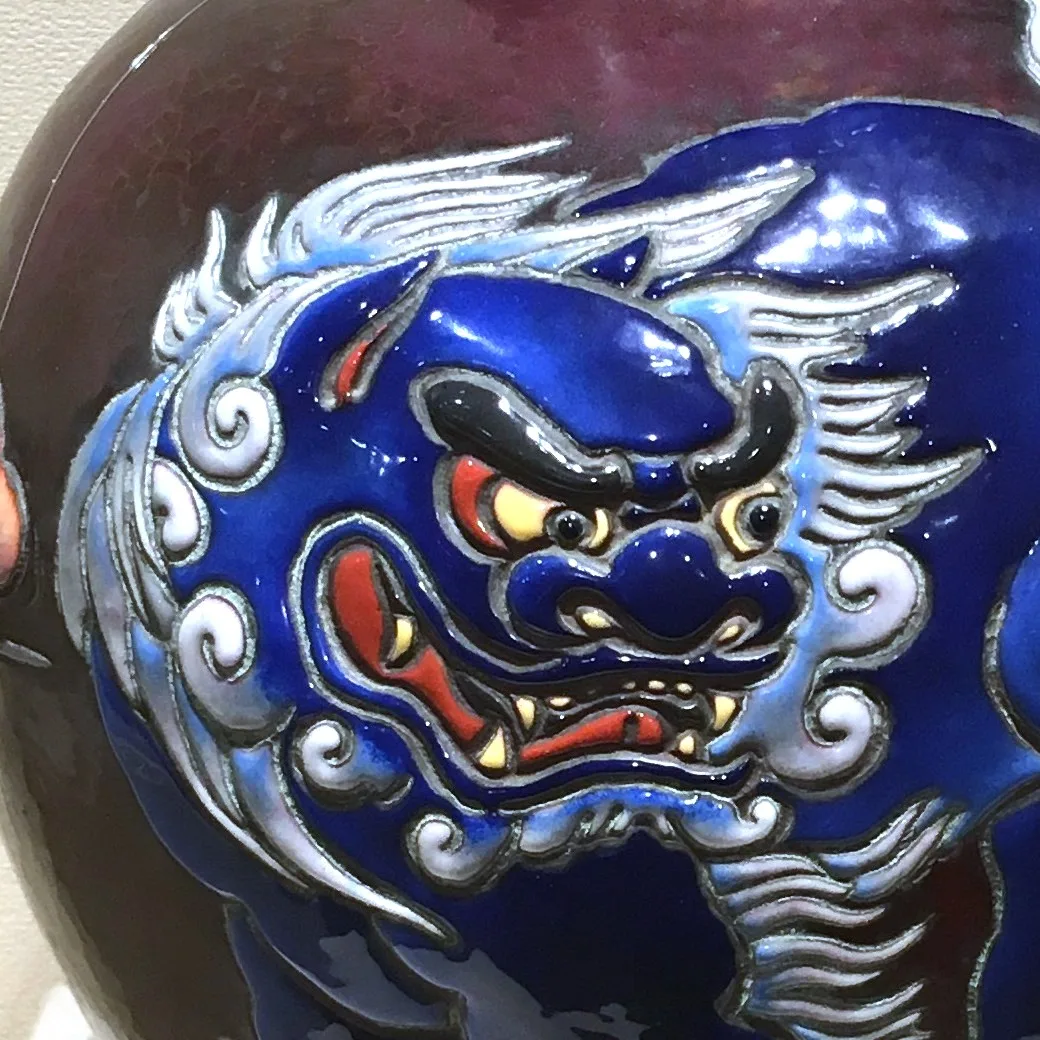
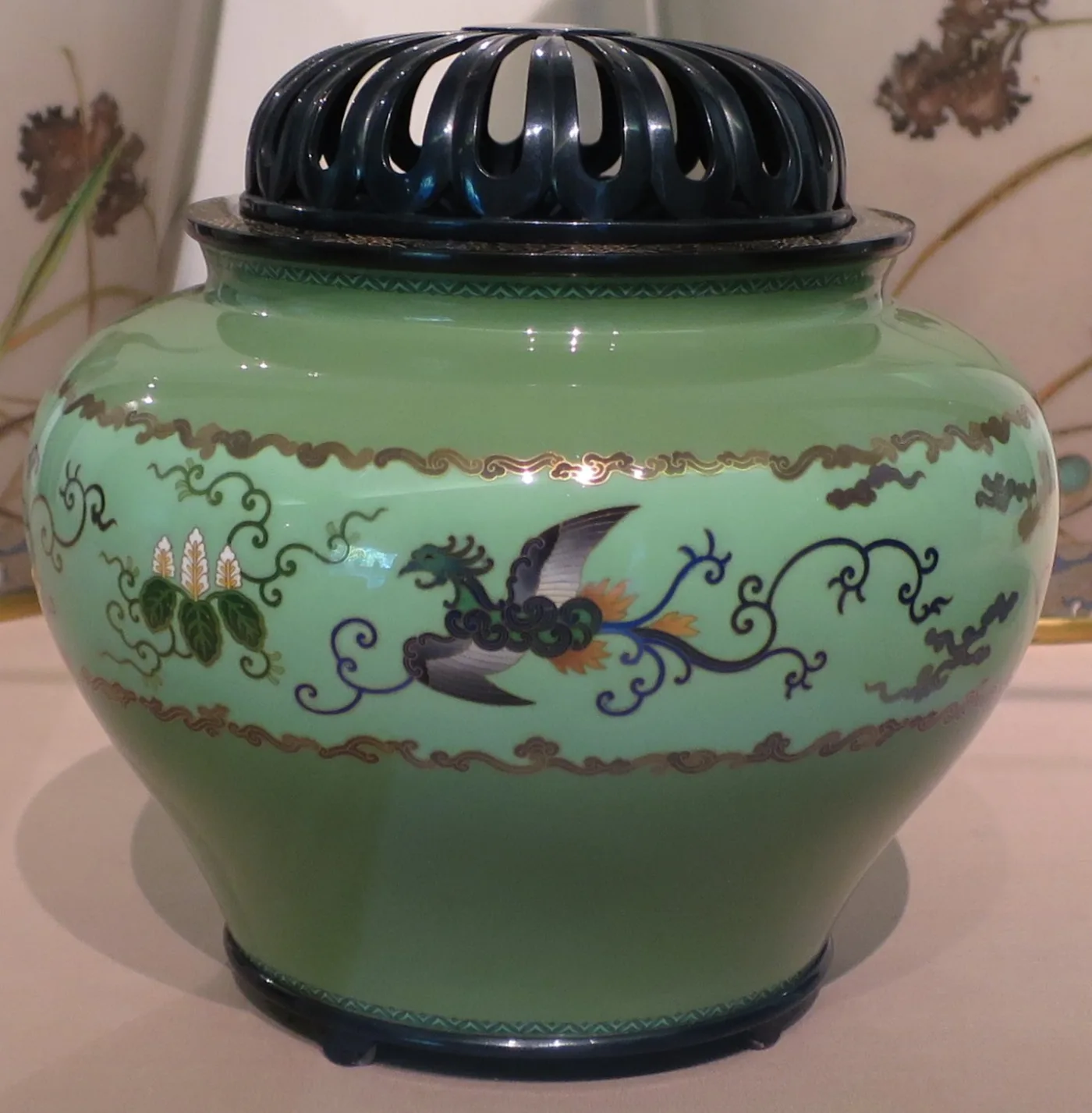
Japanese cloisonné is classified by how the colour boundaries are made, and the two commonest types are distinguishable at arm’s length once you know what you are looking at. In yūsen shippō the divisions are wires laid onto a smooth body, so the surface is flat and the wires read as fine bright lines. In tsuiki shippō the body itself is raised into relief by hammering and the enamel fills the resulting hollows, so the design stands up from the surface and the outlines are part of the metal. There is a third term worth knowing while you are here: musen shippō, wireless cloisonné, where the wires are removed before the final firing so the colours blend with no visible boundary at all — a technical showpiece and the mark of the best late-Meiji workshops. Getting the type right is the first step in attribution, because the leading makers specialised.
Bronze Vessels and Censers
Chinese bronze vessels include ancient ritual forms (dating to the Shang and Zhou dynasties) and later archaistic pieces that copy ancient designs. Authentic ancient bronzes show distinctive casting techniques, appropriate patina from burial, and period-correct forms.
Later Ming and Qing dynasty bronze censers, vases, and scholar's objects often bear reign marks and show sophisticated casting and finishing. Xuande period bronze censers are particularly prized, though many later copies exist. Authentication requires expertise in casting methods, alloy composition, patina development, and stylistic analysis.
Asian Furniture
Chinese furniture represents one of the most sophisticated furniture traditions globally, emphasizing structural integrity, elegant proportions, and beautiful hardwoods. Japanese and Korean furniture developed distinct aesthetics suited to their architectural contexts and cultural values.
Chinese Hardwood Furniture
Classic Chinese furniture from the Ming and Qing dynasties uses precious hardwoods including huanghuali (yellow rosewood), zitan (purple sandalwood), hongmu (various rosewoods), and jichimu (chicken-wing wood). These woods showcase beautiful grain patterns and natural color ranging from golden yellow to deep purple-brown.
Ming dynasty furniture (16th-17th century) exemplifies restrained elegance with simple forms, graceful curves, and minimal decoration. Construction relies on sophisticated joinery without nails or glue, using mortise-and-tenon, dovetail, and miter joints. Forms include tables, chairs, cabinets, beds, and scholar's furniture.
Qing dynasty furniture became more elaborate with increased decoration including carved panels, inlay work, and applied metalwork. Later Qing pieces can be heavily ornamented, sometimes overwhelming the form. Regional variations existed, with differences between northern and southern workshops.
Authentication and Construction
Authenticating Chinese furniture requires examining construction details, wood species, proportions, and surface characteristics. Period pieces use traditional joinery exclusively, with precisely fitted joints showing appropriate age-related loosening and wear.
The wood should display natural aging including color deepening, surface patina development, and appropriate shrinkage affecting joints. Examine all surfaces including backs, undersides, and interiors for consistency of materials and finishing.
Beware of artificially aged pieces with stained or painted surfaces mimicking patina, modern screws or hardware, and inappropriate proportions. Many reproduction pieces use similar woods but lack the refined proportions and sophisticated joinery of period furniture.
Japanese and Korean Furniture
Japanese furniture tradition includes low tables, storage chests (tansu), and cabinets suited to tatami mat architecture. Construction emphasizes durability and functional design with extensive metalwork hardware serving both practical and decorative purposes.
Korean furniture, particularly Joseon dynasty pieces (14th-19th century), features restrained decoration with emphasis on clean lines and beautiful wood grain. Distinctive characteristics include brass hardware with geometric or naturalistic designs, multiple small drawers, and construction techniques suited to ondol (underfloor heating) environments.

Screens and Decorative Panels
Asian folding screens and decorative panels range from imposing Chinese Coromandel screens to delicate Japanese painted panels, serving both functional and aesthetic purposes in traditional architecture.
Coromandel Screens
Chinese Coromandel screens (actually called kuancai or incised color decoration) feature elaborate designs incised through black lacquer ground with colored lacquer and gilt details. These large folding screens date primarily from the late Ming through Qing dynasty.
Authentic Coromandel screens display multilayered lacquer construction with designs incised through to reveal colored layers beneath. Subjects include landscapes, figures, birds and flowers, and court scenes. The best examples show extraordinary detail and sophisticated composition across multiple panels.
Examine the lacquer quality, complexity of decoration, condition of the wooden frame, and overall proportions. Original screens were made in specific traditional heights and panel widths. Modern reproductions often have incorrect proportions and simplified decoration.
Japanese Folding Screens
Japanese byōbu (folding screens) include paintings on paper or silk mounted on panels with decorative fabric borders. Screens range from two to twelve panels, with six-panel screens most common. Subjects include landscapes, seasonal scenes, literary themes, and genre paintings.
Important schools of screen painting include Kano, Tosa, Rinpa, and Maruyama-Shijo. Artist signatures and seals appear on quality screens, though authentication requires stylistic analysis by specialists. Screen paintings by recognized masters command significant prices.
Examine the paper or silk support, mounting techniques, condition of paintings and borders, and hinges. Original mounting uses specific materials and techniques different from modern conservation remounting. Age-related condition issues include foxing on paper, pigment fading, and silk deterioration.
Textiles and Embroideries
Asian textiles include embroidered robes, tapestries, carpets, and decorative textiles showcasing sophisticated weaving and decorative techniques developed over centuries. Chinese silk production and embroidery influenced textile arts throughout Asia and beyond.
Chinese Imperial Textiles
Chinese imperial court textiles feature dragon robes (longpao), court robes with rank badges (buzi), and ceremonial textiles in silk with elaborate embroidery or woven designs. Colors and designs follow strict regulations indicating rank and occasion.
Dragon robes display five-clawed dragons (reserved for imperial use) or four-clawed dragons (for nobility) among waves, clouds, and auspicious symbols. Qing dynasty robes use the horseshoe cuff and specific color coding for different ranks. Examination of textile construction, embroidery techniques, and design details helps determine period and authenticity.
Japanese Textiles
Japanese textile arts include kimono, obi (sashes), fukusa (presentation cloths), and noh theater costumes in silk with dyeing, weaving, and embroidery techniques. Important techniques include yuzen (rice-paste resist dyeing), shibori (tie-dye), tsujigahana (combination techniques), and embroidery.
Edo and Meiji period kimono showcase sophisticated designs, quality materials, and exceptional craftsmanship. Artist designs by painters and specialized textile workshops elevated kimono to art form status. Condition, quality of materials and workmanship, and design sophistication determine value.
Carpets and Rugs
Chinese carpets from the Ming and Qing dynasties feature distinctive designs including medallions, dragons, floral motifs, and Buddhist symbols in rich colors. Construction uses hand-knotted pile on cotton foundations, typically with lower knot counts than Persian carpets but strong, lustrous wool.
Authenticating Chinese carpets requires examining knot structure, dyes (natural versus synthetic), design characteristics, and condition. Early carpets used natural dyes producing soft, harmonious colors that age beautifully. Chemical dyes introduced in the late 19th century created harsher colors.
Buddhist and Religious Art
Buddhist art forms a major category of Asian antiques, including bronze Buddha figures, thangka paintings, ritual objects, and architectural elements from temples and shrines. Understanding iconography, regional styles, and dating methods is essential for collectors.
Bronze Buddha Sculptures
Bronze Buddha images follow strict iconographic conventions while showing regional and period variations. Chinese Buddha sculptures span from early Indian-influenced pieces to distinctively Chinese forms of the Tang, Song, Ming, and Qing dynasties.
Examine casting quality, proportions, iconographic accuracy, patina, and gilding. Period bronze Buddhas show distinctive casting methods including lost-wax and piece-mold techniques. Surfaces develop natural patina from age and worship practices including incense exposure and handling.
Tibetan and Nepalese bronze sculptures showcase distinctive styles with elaborate jewelry, detailed facial features, and copper and brass alloy construction. Many retain original gilding and stone or glass inlay for eyes and ornaments. Inscriptions inside hollow bronze figures can provide dating and provenance information.
Thangka Paintings
Thangka are Tibetan and Mongolian Buddhist scroll paintings on fabric, depicting deities, mandalas, and religious scenes using mineral and organic pigments with gold detailing. These paintings serve as meditation aids and teaching tools.
Authenticating thangka requires understanding iconographic conventions, painting techniques, materials, and stylistic development. Period thangka use specific pigments, canvas preparation methods, and mounting styles. Quality varies from rough folk art to refined court productions.
Condition issues include pigment flaking, textile deterioration, mounting damage, and inappropriate restoration. Original mounting with silk brocade borders adds to historical value. Modern thangka production continues, requiring careful authentication of claimed antique pieces.
Ivory and Bone Carvings
Asian ivory carving achieved extraordinary technical and artistic sophistication, particularly in Chinese and Japanese work. However, ivory trade restrictions now affect collecting, requiring documentation and careful legal compliance.
Chinese Ivory Carving
Chinese ivory carving includes figural sculptures, ornamental objects, scholar's items, and elaborate decorative pieces. Canton became a major center for ivory carving, producing pieces for export including figural groups, boxes, fans, and concentric carved balls showcasing technical virtuosity.
Period Chinese ivory develops a warm patina with honey or amber tones, quite different from modern white ivory or artificially aged pieces. Examine carving techniques, design sophistication, and surface characteristics. Genuine age creates subtle surface checking and appropriate wear patterns.
Japanese Ivory Work
Japanese ivory carving includes netsuke, okimono, and decorative objects displaying meticulous attention to detail and naturalistic representation. Meiji period ivory carvings showcase the height of the art with elaborate figural groups, animal sculptures, and genre scenes.
Quality Japanese ivory work displays extraordinary skill in undercutting, realistic detail, and surface finishing. Many pieces use staining and inlay techniques to add color and emphasis. Artist signatures are common on quality pieces.
Legal and Ethical Considerations
International and national laws strictly regulate ivory trade and movement. The CITES treaty (Convention on International Trade in Endangered Species) prohibits commercial international trade in elephant ivory with few exceptions. Domestic laws vary by jurisdiction.
For antique ivory pieces, documentation proving pre-ban manufacture is essential. Some jurisdictions allow interstate commerce in properly documented pre-1947 ivory. Research applicable laws carefully before buying, selling, or transporting ivory items.
Many collectors now prefer bone, horn, and alternative materials that achieve similar aesthetic effects without legal complications. Marine ivory (walrus, narwhal, sperm whale teeth) has different regulations but also requires careful documentation.
Understanding Asian Marks and Signatures
Asian antiques bear various marks, signatures, and seals providing information about manufacture, artists, and periods. However, interpreting these marks requires expertise, as honorific marks, later additions, and forgeries are common.
Chinese Reign Marks
Chinese porcelain reign marks appear in four-character or six-character formats, typically in underglaze blue, overglaze enamel, or incised. Six-character marks read: [Dynasty] [Emperor] [Period] [Made]. For example, "大清康熙年製" reads "Made in the Kangxi period of the Great Qing."
However, dating based solely on reign marks is unreliable. Chinese potters routinely used marks from earlier prestigious reigns as homage marks. A piece with a Chenghua mark might date from the Kangxi period, 200 years later. Authentication requires comprehensive analysis of all characteristics.
Hall marks and studio marks also appear on Chinese ceramics, furniture, and other objects. Research these marks in specialized references, but always verify with physical examination of the piece itself.
Japanese Signatures and Seals
Japanese artists and workshops signed ceramics, metalwork, woodblock prints, and other arts with names in kanji characters, often with additional seals (hanko). Reading these signatures requires knowledge of Japanese calligraphy and artist histories.
Research signatures in specialized references and databases. Compare character forms carefully, as subtle differences distinguish authentic signatures from copies. For valuable pieces, expert authentication of signatures is advisable.
Seal and Mark Forgeries
Forged marks and signatures are extremely common on Asian antiques. Some forgeries were created contemporaneously as honorific marks rather than intentional forgeries. Later forgeries aim to increase value through false attribution.
Never rely on marks alone for authentication. Examine the piece comprehensively for period-appropriate materials, techniques, style, and condition. If mark and physical evidence conflict, the physical evidence is more reliable.
Dating Asian Antiques
Dating Asian antiques requires combining multiple approaches including stylistic analysis, technical examination, materials testing, and contextual research. Rarely can a single factor provide definitive dating.
Stylistic Evolution
Understanding stylistic evolution within specific collecting categories provides dating framework. Chinese ceramics show clear stylistic progression through dynasties. Japanese netsuke carving styles evolved from early simplicity to late elaborate decoration. Study comparative examples and reference materials to develop visual memory for period characteristics.
Construction and Material Analysis
Manufacturing techniques changed over time, providing dating clues. Hand tools leave different marks than machine tools. Traditional joining methods differ from modern construction. Materials like synthetic dyes, modern alloys, and certain plastics indicate manufacture dates.
Laboratory analysis can test materials including wood (dendrochronology), textiles (carbon dating for natural fibers), pigments (composition analysis), and metals (elemental analysis). These tests require removing samples and involve costs, but provide objective data for significant pieces.
Provenance Research
Documented provenance establishes collecting history and can confirm dating. Auction records, published references, exhibition histories, and ownership documentation all contribute to provenance. Pieces with strong provenance generally command premium prices and have better authentication credentials.
Authentication and Forgery Detection
The Asian antiques market includes numerous reproductions, copies, and outright forgeries ranging from crude fakes to sophisticated reproductions that challenge even experts. Developing authentication skills requires study, experience, and often professional consultation.
Common Forgery Methods
Asian antiques forgeries employ various deception methods. Simple reproductions copy period pieces without attempting to appear old. More sophisticated forgeries use artificial aging including chemical treatments, burial, smoking, and mechanical wear simulation.
Some forgeries assemble old and new elements, such as adding modern decoration to period blanks, or creating composite pieces from multiple damaged originals. Marriage pieces combine elements that didn't originally belong together.
Scientific Authentication Methods
Scientific examination can reveal forgeries through materials analysis, dating technologies, and technical imaging. Thermoluminescence testing dates ceramics by measuring radiation exposure since last firing. X-ray fluorescence identifies pigments and glazes by elemental composition.
Ultraviolet light reveals restoration, later additions, and materials that fluoresce differently than period materials. X-radiography shows internal construction and hidden repairs. These technologies support but don't replace connoisseurship and physical examination.
Red Flags and Warning Signs
Be suspicious of pieces with overly perfect condition for claimed age, inconsistent wear patterns, or artificial-looking patina. Prices far below market value often indicate problems. Sellers reluctant to provide detailed photographs, allow professional examination, or discuss provenance should raise concerns.
Purchase significant pieces only from reputable dealers and auction houses who guarantee authenticity. For expensive acquisitions, obtain independent expert authentication. Documentation, condition reports, and money-back authenticity guarantees protect collectors.
Regional Styles and Characteristics
Asian antiques vary significantly by region, reflecting different cultural values, available materials, and artistic traditions. Understanding these regional differences aids authentication and appreciation.
Chinese Regional Variations
Chinese arts show regional variations despite central imperial influence. Northern Chinese furniture tends toward larger scale with bold proportions, while southern pieces show more delicate refinement. Jingdezhen porcelain differs from regional kiln wares like Shiwan and Dehua.
Regional schools of lacquer, jade carving, and decorative arts each developed distinctive characteristics. Research specific regions relevant to your collecting interests to develop recognition skills.
Japanese Aesthetic Traditions
Japanese aesthetics emphasize natural materials, asymmetry, subtle color harmonies, and conscious imperfection (wabi-sabi). These principles manifest across decorative arts from tea ceremony implements to architecture.
Regional kiln centers like Kyoto, Seto, Bizen, and Satsuma each developed distinctive ceramic styles. Understanding these regional traditions helps with attribution and authentication.
Korean, Southeast Asian, and Himalayan Arts
Korean ceramics developed distinctive forms and glazes including celadon with inlay decoration (sanggam) and white porcelain. Korean furniture shows restrained decoration with emphasis on wood grain and sophisticated metalwork.
Southeast Asian arts include Thai bronze Buddha sculptures, Vietnamese ceramics, Indonesian textiles and metalwork, and Philippine colonial arts reflecting diverse cultural influences. Himalayan arts encompass Tibetan, Nepalese, and Bhutanese Buddhist arts with distinctive iconography and techniques.
Condition Assessment and Conservation
Condition significantly impacts value and collecting desirability of Asian antiques. Understanding common condition issues, acceptable restoration, and conservation principles helps collectors make informed decisions.
Ceramic Condition Issues
Common ceramic condition problems include cracks, chips, restoration, hairlines, and glaze damage. Examine pieces carefully under strong light, feeling surfaces for inconsistencies. Black light reveals most restoration, which fluoresces differently than original material.
Acceptable restoration on rare pieces includes professional repair of breaks, fill of small chips, and stabilization of cracks. Extensive restoration or repainting significantly reduces value. For common pieces, pristine original condition is preferred.
Furniture and Lacquer Care
Wood furniture requires controlled humidity to prevent cracking and warping. Avoid direct sunlight, heat sources, and rapid environmental changes. Clean with appropriate materials avoiding harsh chemicals and excessive moisture.
Lacquer is sensitive to humidity and temperature fluctuations. Store and display in stable environments. Professional conservation can address flaking lacquer, structural issues, and appropriate restoration.
Textile Preservation
Textiles require careful handling, storage, and display to prevent deterioration. Light exposure fades dyes and weakens fibers. Store flat or rolled in acid-free materials with adequate support. Display rotation minimizes light damage.
Professional textile conservation addresses issues including cleaning, stabilization of weak areas, and mounting for display. Avoid amateur restoration attempts that can cause irreversible damage.
Market Values and Investment Potential
Asian antiques market has shown strong long-term appreciation, driven by increasing Asian wealth, museum demand, and recognition of Chinese art's historical importance. However, specific categories vary significantly in market performance and investment potential.
Current Market Trends
Imperial Chinese porcelain continues achieving record prices at auction, with rare pieces selling for millions. Ming and early Qing pieces command premium prices, while later Qing export wares remain more affordable.
Japanese art market shows strong interest in quality netsuke, sword fittings, and Meiji period decorative arts. Buddhist art from all regions attracts serious collectors and institutional buyers.
Investment Considerations
Investing in Asian antiques requires knowledge, quality focus, and long-term perspective. Buy the best quality you can afford from reputable sources with authenticity guarantees. Rare pieces from important periods generally appreciate better than common pieces.
Condition, provenance, and documentation significantly impact value. Museum quality pieces command premium prices, while damaged or restored pieces trade at discounts. Market liquidity varies by category, with some specialties having small collector bases.
Price Factors
Multiple factors determine Asian antique values including age, rarity, quality, condition, provenance, artistic merit, historical importance, and current market demand. Imperial provenance dramatically increases value, as does exhibition history and publication in scholarly references.
Market values fluctuate with economic conditions, collecting trends, and currency exchange rates. The Chinese market strongly influences prices for Chinese antiques. Western collecting tastes affect Japanese and Southeast Asian art markets.
Collecting Strategies and Resources
Building a meaningful Asian antiques collection requires education, careful purchasing, and engagement with the collecting community. Success comes from developing expertise in specific areas rather than collecting broadly.
Developing Expertise
Focus collecting efforts on specific categories where you can develop deep knowledge. Study reference books, visit museum collections, attend lectures and symposiums, and examine pieces at galleries and auction previews.
Handle authentic pieces whenever possible to develop tactile memory for appropriate weight, texture, and aging characteristics. Join collecting societies and online forums to learn from experienced collectors and share knowledge.
Where to Buy
Purchase from established dealers specializing in Asian antiques who guarantee authenticity. Auction houses offer wide selection but require more expertise to bid successfully. Online marketplaces and estate sales can yield finds but carry higher authentication risks.
Build relationships with reputable dealers who can source specific pieces and provide expertise. Attend major antiques shows, auction previews, and specialized Asian art events to compare pieces and market prices.
Documentation and Records
Document your collection thoroughly with detailed photographs, condition reports, provenance information, and purchase documentation. Maintain separate records of authentication reports, appraisals, and exhibition history.
Keep original receipts, certificates of authenticity, and correspondence with dealers and experts. This documentation enhances value and facilitates estate planning, insurance, and eventual sales.
Resources and References
Essential resources include specialized auction house catalogs, museum publications, academic journals, and reference books on specific collecting categories. Online databases provide access to auction results and market data.
Join organizations like the Asian Art Society, attend museum lectures and symposiums, and visit major collections including the Metropolitan Museum, Boston Museum of Fine Arts, Freer Gallery, British Museum, and specialized Asian art museums.