
Antique Telephones Identification Guide: Types, Brands, Models & Dating Techniques
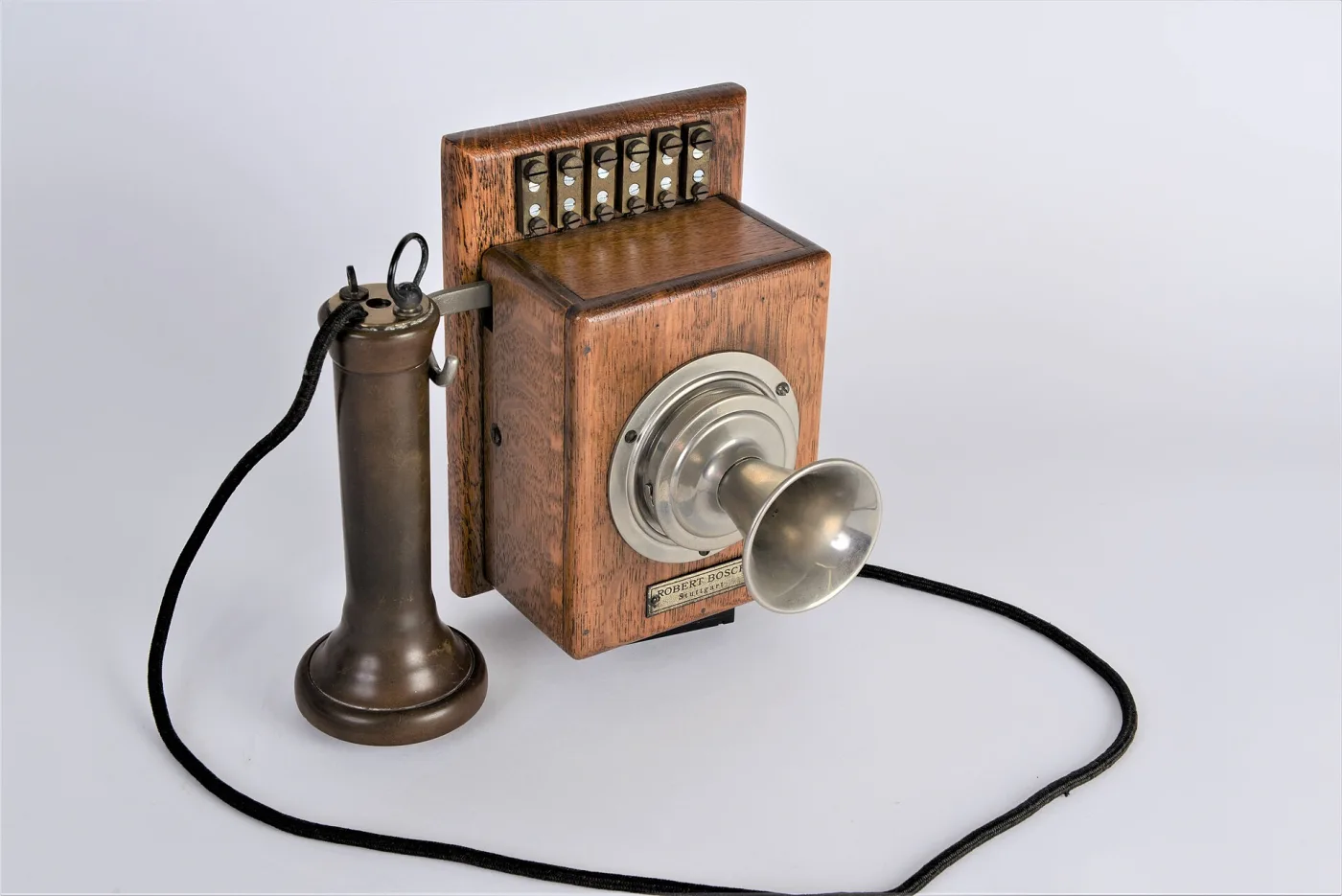
Antique telephones represent a remarkable chapter in the history of communication technology, spanning from Alexander Graham Bell's first practical telephone in 1876 to the rotary dial phones of the mid-20th century. These elegant machines, with their handcrafted wooden cases, brass and nickel-plated components, ornate designs, and mechanical dialing systems, capture the evolution of telecommunications from experimental novelty to essential household appliance. Whether examining an early wooden wall phone from the 1880s, an elegant candlestick telephone from the 1920s, or a streamlined rotary dial desk phone from the 1950s, antique telephones offer collectors and enthusiasts a tangible connection to the technological revolution that transformed how humans communicate across distances. The identification of these historical artifacts requires understanding of manufacturing techniques, brand markings, model variations, dating methods based on serial numbers and design features, regional variations, and the complex history of telephone company operations and patents that shaped the industry. This comprehensive guide will teach you everything you need to know about identifying antique telephones, from recognizing major manufacturers and models to understanding serial number systems, dating techniques, restoration considerations, and determining their historical significance and collector value. Whether you're examining a Western Electric candlestick phone, a Stromberg-Carlson wall telephone, or an early Bell System desk phone, modern tools like the Antique Identifier app can provide instant AI-powered identification assistance, but mastering the fundamentals of telephone identification remains essential for any serious collector or enthusiast.
Table of Contents
- Historical Context: The Evolution of Telephones
- Early Telephones: Wall Phones and Desk Stands (1870s-1910s)
- Candlestick Telephones: The Classic Design (1890s-1930s)
- Desk Telephones: Rotary Dial and Push-Button Models
- Wall Telephones: Types and Mounting Styles
- Major Manufacturers: Western Electric, Stromberg-Carlson, and More
- Bell System Telephones and AT&T Models
- Independent Manufacturers and Regional Variations
- Identifying Markings: Serial Numbers, Patents, and Labels
- Model Identification and Classification
- Components and Parts: Receivers, Transmitters, Dials, and Switches
- Materials and Construction: Wood, Metal, and Bakelite
- Dating Techniques: Serial Numbers and Design Features
- Period Styles: Victorian, Art Nouveau, Art Deco, and Mid-Century
- Regional Variations and International Telephones
- Condition Assessment and Restoration Considerations
- Authentication and Detecting Reproductions
- Value Assessment and Market Factors
- Collecting Tips and Care Guidelines
Historical Context: The Evolution of Telephones
Understanding the historical development of telephone technology provides essential context for identification and dating. The telephone industry evolved rapidly from experimental device to essential infrastructure, with each era producing distinctive designs, manufacturing techniques, and technological innovations.
The Invention Era (1876-1880)
The telephone was invented and initially commercialized during this brief but critical period:
- 1876: Alexander Graham Bell patents the first practical telephone
- 1877: First commercial telephones installed in homes and businesses
- Early designs: Simple wall-mounted units, wooden boxes, basic receivers and transmitters
- Materials: Primarily wood, brass, and iron components
- Functionality: Manual operation, required operator assistance for all calls
- Manufacturing: Handcrafted, limited production, experimental designs
Expansion Period (1880-1900)
Telephone networks expanded rapidly across open-wire pole lines—each crossarm carrying rows of glass insulators now collected in their own right—leading to standardized designs and mass production:
- 1880s: Bell System establishes dominance, standardizes equipment
- 1885: American Telephone and Telegraph (AT&T) formed
- 1890s: Candlestick design emerges, becomes popular for desk use
- Manufacturing: Shift to factory production, interchangeable parts
- Design evolution: More ornate cases, improved transmitters, standardized components
- Competition: Independent telephone companies emerge, use different equipment
Golden Age (1900-1930)
The peak period for ornate and decorative telephone designs:
- 1900s-1910s: Highly decorative wall and desk phones with ornate cases
- 1919: Rotary dial introduced, begins slow adoption
- 1920s: Candlestick phones reach peak popularity and design refinement
- Design focus: Elegant styling, quality materials, brand identity
- Materials: Oak, walnut, mahogany cases; brass, nickel, and chrome plating
- Innovation: Improved transmitters, better sound quality, automatic dialing systems
Modernization Era (1930-1950)
Transition to streamlined, functional designs and widespread dial adoption:
- 1930s: Streamlined designs, Art Deco influences, Bakelite introduced
- 1940s: War-time production, simplified designs, material shortages
- 1950s: Rotary dial becomes standard, modern styling, plastic components
- Design changes: Integrated handset design replaces separate receiver/transmitter
- Materials: Bakelite, early plastics, stamped metal, simplified wood cases
Technical Innovations
Key technological developments that shaped telephone design and identification:
- Transmitter Evolution: Blake transmitter, solid back transmitter, modern carbon microphones
- Receiver Development: Bell's original design, improved magnets, diaphragm materials
- Dial Systems: Manual operator calls, rotary dial, touch-tone (push-button)
- Mounting Systems: Wall mounting, desk stands, integrated base units
- Case Materials: Wood, metal, Bakelite, early plastics, ceramic
- Wiring and Components: Open wiring, concealed wiring, modular connections
Early Telephones: Wall Phones and Desk Stands (1870s-1910s)
Early telephones represent the foundation of telephone technology and are among the most collectible examples. These machines feature distinct construction, materials, and operational characteristics that set them apart from later models.
First Generation Wall Phones (1870s-1890s)
The earliest commercial telephones were wall-mounted units with distinctive characteristics:
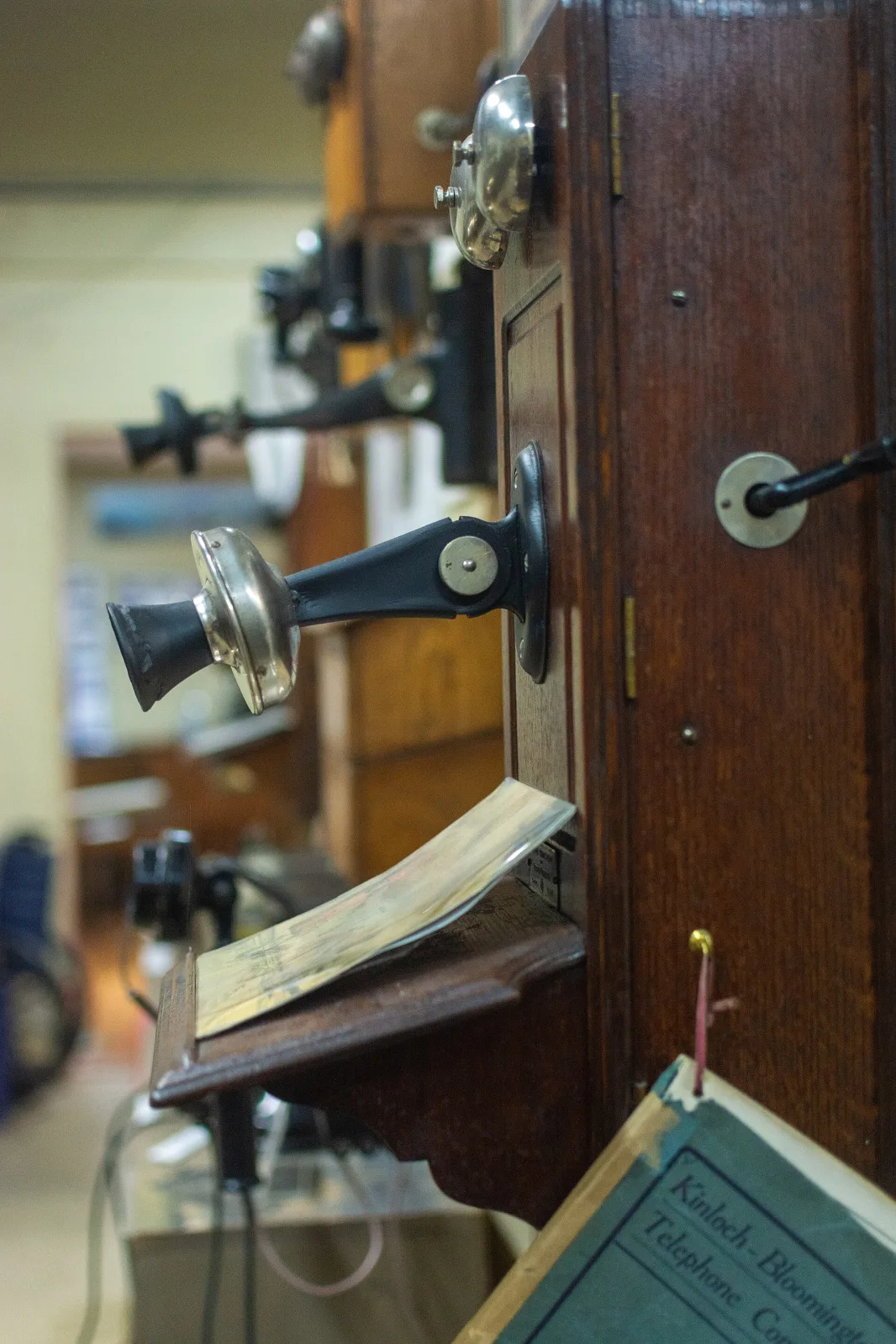
- Case Design: Simple wooden boxes, rectangular or slightly rounded
- Materials: Oak, walnut, or mahogany; brass fittings and components
- Components: Separate receiver and transmitter, manual bells, magneto generators
- Functionality: Required operator assistance, hand-cranked magneto for signaling
- Size: Large and substantial, 12-16 inches tall, 6-8 inches wide
- Markings: Minimal, often just manufacturer name or patent dates
- Wiring: Open wiring visible inside case, external connections
- Value Factors: Rarity, early date, original components, condition
Fancy Wall Phones (1890s-1910s)
As telephones became more common, manufacturers produced increasingly decorative wall models:
- Case Design: Elaborate wooden cases with decorative trim, carved details
- Materials: High-quality hardwoods, ornate metal fittings, polished surfaces
- Decoration: Carved motifs, applied moldings, decorative brackets
- Size Variations: Standard wall phones, extension phones, large office models
- Brand Identification: Distinctive manufacturer logos, patent information
- Technical Features: Improved transmitters, better sound quality, standardized components
- Regional Variations: Different manufacturers served different telephone companies
- Collectibility: Highly sought after, decorative examples command premium prices
Desk Stand Telephones (1880s-1910s)
Early desk-mounted telephones predated the candlestick design:
- Base Design: Flat wooden or metal base with upright supports
- Receiver Placement: Hanging hook or rest on the side of the base
- Transmitter: Attached to flexible cord, could be held separately
- Size: Compact desk footprint, variable height
- Materials: Wood, cast iron, or brass bases; brass receivers and transmitters
- Rarity: Less common than wall phones, transitional design
- Evolution: Gradually replaced by candlestick design
Identifying Early Telephones
Key features to identify early telephone examples:
- Construction: Handcrafted elements, dovetail joints, visible tool marks
- Hardware: Hand-forged screws, non-standardized components
- Wiring: Open wiring, exposed connections, primitive insulation
- Components: Original transmitters and receivers, magneto generators
- Patents: Early patent dates (1870s-1890s) visible on components
- Brand Markings: Manufacturer names, sometimes telephone company stamps
- Condition Indicators: Wear patterns, original finish, component age
Candlestick Telephones: The Classic Design (1890s-1930s)
The candlestick telephone, with its distinctive upright base and separate receiver, represents one of the most iconic telephone designs and remains highly collectible today. Understanding the variations and evolution of this design is crucial for identification.
Candlestick Design Characteristics
The classic candlestick telephone features several distinctive elements:
- Base Design: Upright columnar base, typically 4-6 inches tall
- Receiver Hook: Cradle on side for hanging receiver, actuates switch
- Receiver: Separate earpiece, hangs on hook when not in use
- Transmitter: Attached to flexible cord, can be handheld or mounted
- Materials: Base can be metal (brass, nickel) or wood; receiver typically hard rubber
- Functionality: Hook switch activates line, can be manual or dial-equipped
Early Candlestick Models (1890s-1910s)
The first candlestick telephones featured simpler designs and construction:
- Base Materials: Cast brass or nickel-plated brass, sometimes wood
- Design Elements: Plain columns, minimal decoration, functional appearance
- Receiver Hooks: Simple metal hooks, manual switch mechanisms
- Manufacturing: Hand-finished, some variation between examples
- Brands: Western Electric, Stromberg-Carlson, Kellogg, and others
- Operational Method: Operator-assisted calling, no dial
- Rarity: Early examples are increasingly rare and valuable
Ornate Candlestick Phones (1910s-1920s)
The peak period for decorative candlestick telephones produced elegant examples:
- Base Decoration: Fluted columns, decorative bands, ornate bases
- Materials: High-quality brass with excellent plating, sometimes silver-plated
- Finish Quality: Polished surfaces, quality plating, attention to detail
- Receiver Design: Improved ergonomics, better sound quality
- Brand Identity: Distinctive manufacturer logos, model numbers
- Variations: Different base heights, decorative elements, mounting options
- Collectibility: Highly sought after for aesthetic appeal and quality
Dial-Equipped Candlesticks (1919-1930s)
The introduction of the rotary dial led to dial-equipped candlestick models:
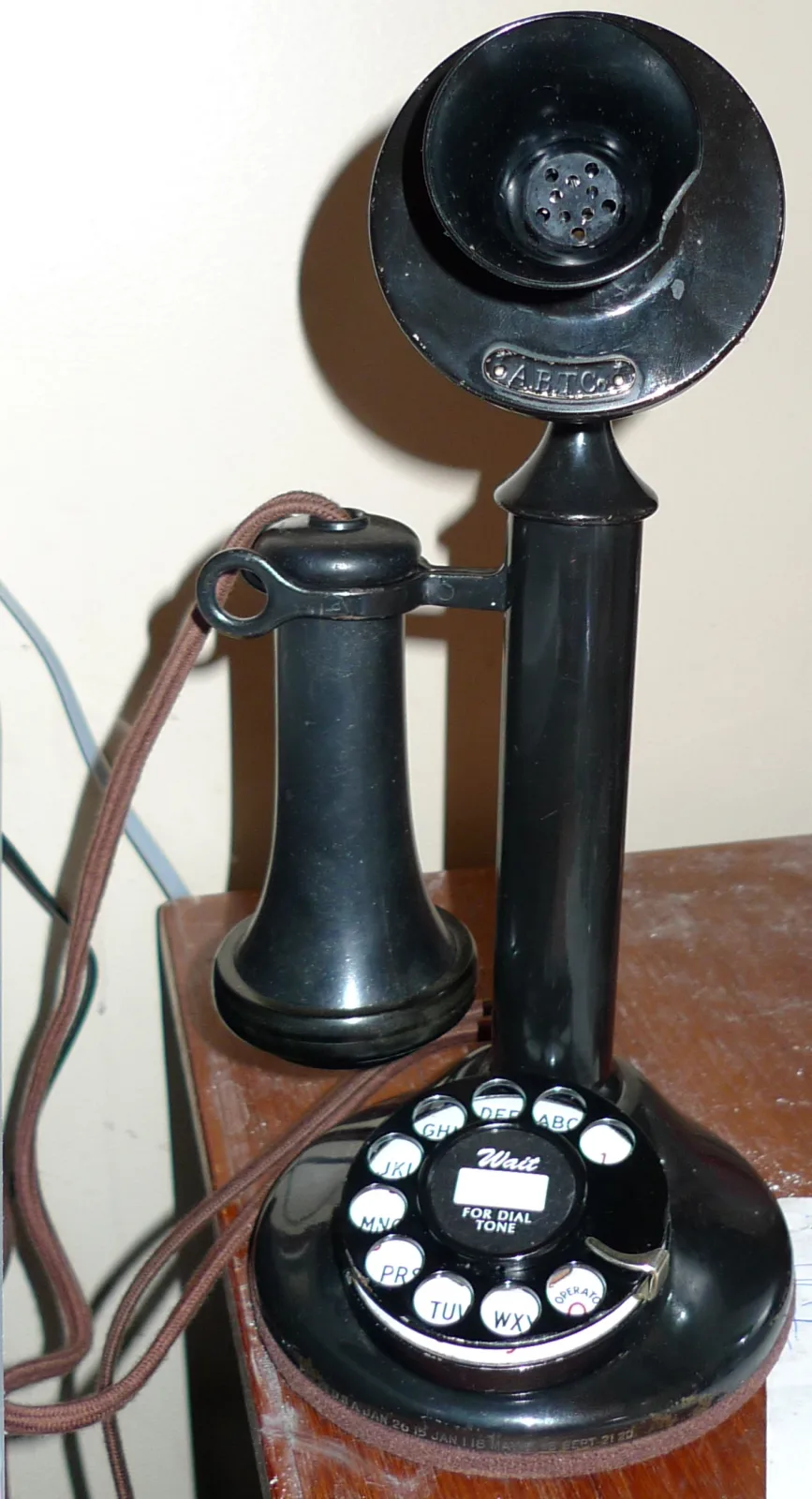
- Dial Addition: Rotary dial mounted in base or on separate pedestal
- Base Modifications: Accommodated dial mechanism, slightly different proportions
- Functionality: Direct dialing capability, automatic switching
- Transition Period: Both manual and dial versions produced simultaneously
- Manufacturing: Standardized production, consistent quality
- Models: Various Western Electric models, independent manufacturer versions
- Historical Significance: Bridge between manual and modern dial systems
Identifying Candlestick Telephones
Key features for identifying candlestick models:
- Base Shape: Columnar design, variations in height and decoration
- Manufacturer Marks: Stamped logos, model numbers, patent dates
- Receiver Style: Shape, materials, branding on receiver
- Dial Presence: Manual vs. dial-equipped, dial style and mounting
- Materials and Finish: Base material, plating quality, original vs. refinished
- Component Dating: Transmitter type, receiver design, internal mechanisms
- Provenance: Telephone company markings, service tags, repair labels
Desk Telephones: Rotary Dial and Push-Button Models
Desk telephones with integrated handset design became the standard telephone configuration from the 1930s onward. These models feature streamlined designs, improved functionality, and standardized manufacturing that marked the transition to modern telephony.
Early Desk Phones with Integrated Handset (1920s-1930s)
The transition from candlestick to integrated handset design began in the 1920s:
- Design Innovation: Combined receiver and transmitter in single handset
- Case Styles: Various designs, some transitional from candlestick era
- Materials: Metal cases, wood trim, Bakelite introduced
- Dial Integration: Rotary dial standard, mounted in base
- Handset Cradle: Switches activated when handset lifted, automatic hook switch
- Manufacturers: Western Electric dominant, some independent manufacturers
- Transition Period: Candlestick and desk models both produced
Classic Rotary Dial Phones (1930s-1950s)
The rotary dial phone became the iconic telephone design of the mid-20th century:
- Design Elements: Streamlined cases, rounded corners, integrated appearance
- Materials: Bakelite primary material, metal components, early plastics
- Colors: Black standard, various colors introduced (ivory, green, red)
- Dial Design: Circular dial with finger holes, number ring, return spring mechanism
- Handset Design: Curved handset, ergonomic shape, improved sound quality
- Models: Western Electric 302, 500, 554; various regional manufacturers
- Features: Ringer adjustment, volume controls, standardized components
Western Electric Model 500 (1949-1984)
The Model 500 became the most produced telephone in history and remains iconic:
- Introduction: 1949, replacing Model 302
- Design: Streamlined, modern appearance, ergonomic handset
- Materials: Durable Bakelite, high-quality components
- Colors: Initially black and ivory, expanded to multiple colors
- Variations: Standard, deluxe, decorator models with different features
- Production: Millions produced over 35-year production run
- Collectibility: Common but iconic, color variations more valuable
Push-Button Phones (1960s-1970s)
The introduction of touch-tone dialing led to push-button telephone designs:
- Dialing Method: Push-button keypad replaces rotary dial
- Technology: Tone dialing (DTMF) vs. pulse dialing
- Design Evolution: Modern styling, sleeker appearance, larger buttons
- Materials: Plastic cases, modern materials, less ornate than earlier models
- Models: Touch-Tone phones, Trimline phones, various manufacturers
- Transition Period: Both rotary and push-button models available
- Collectibility: Less collectible than rotary dial models, but some interest
Identifying Desk Telephones
Features to identify desk telephone models:
- Case Design: Shape, size, materials, styling elements
- Model Numbers: Stamped on base, inside case, or on label
- Dial Type: Rotary vs. push-button, dial style and design
- Handset Design: Shape, materials, branding, transmitter and receiver types
- Manufacturer Markings: Company logos, model numbers, date codes
- Color and Finish: Original color, condition of finish, material type
- Internal Components: Ringer type, wiring, component dates
Wall Telephones: Types and Mounting Styles
Wall-mounted telephones served important functions in homes and businesses, particularly in areas where desk space was limited or where telephones needed to be accessible to multiple users. Understanding wall phone variations is essential for complete telephone identification.
Early Wall Phones (1870s-1900s)
The earliest telephones were predominantly wall-mounted:
- Mounting: Screwed directly to wall, substantial brackets
- Case Design: Large wooden boxes, rectangular or slightly curved
- Components: Receiver and transmitter, bells, magneto generator
- Functionality: Manual operation, operator-assisted calling
- Size: Large and prominent, 12-18 inches tall
- Materials: Wood cases, metal components, brass fittings
- Variations: Standard phones, extension phones, office models
Decorative Wall Phones (1900s-1920s)
Wall phones reached peak decorative appeal in the early 20th century:
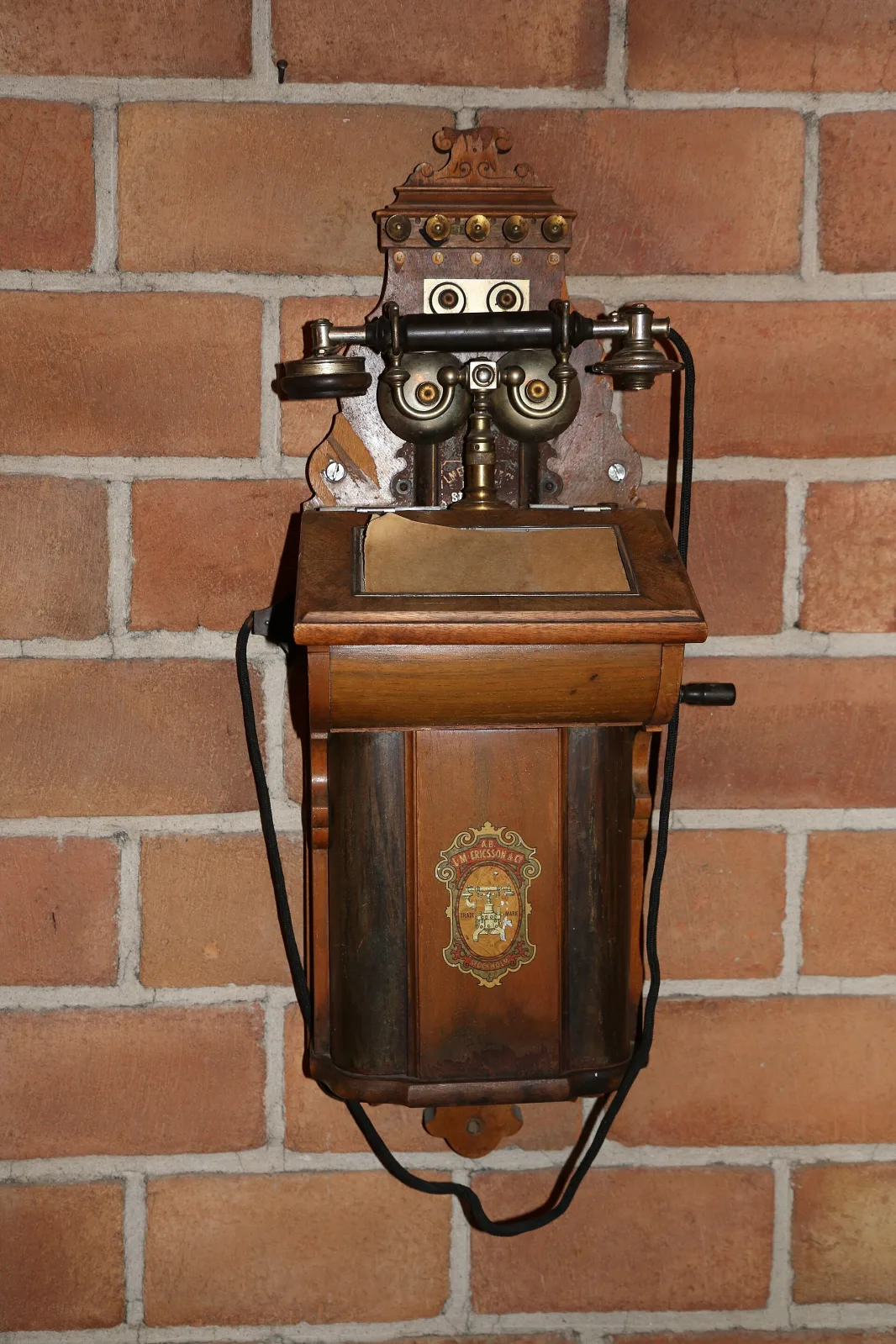
- Case Design: Ornate wooden cases with decorative trim and carvings
- Materials: High-quality hardwoods, polished finishes, ornate metal fittings
- Decoration: Carved motifs, applied moldings, decorative brackets
- Brand Identity: Distinctive manufacturer designs, quality craftsmanship
- Mounting Systems: Elaborate brackets, decorative mounting hardware
- Functionality: Both manual and dial-equipped versions
- Collectibility: Highly sought after for decorative appeal
Streamlined Wall Phones (1930s-1950s)
Modern wall phones featured streamlined, functional designs:
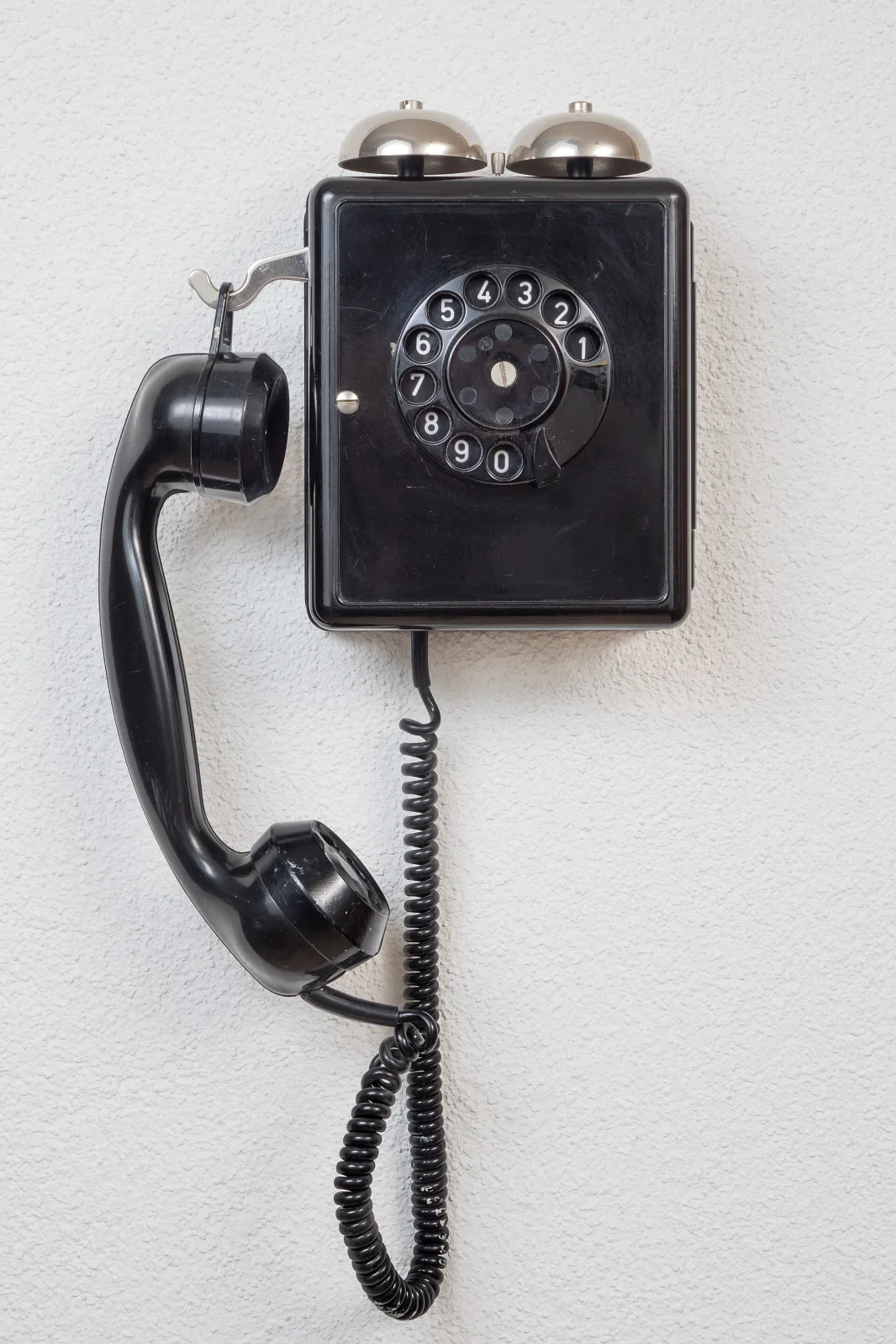
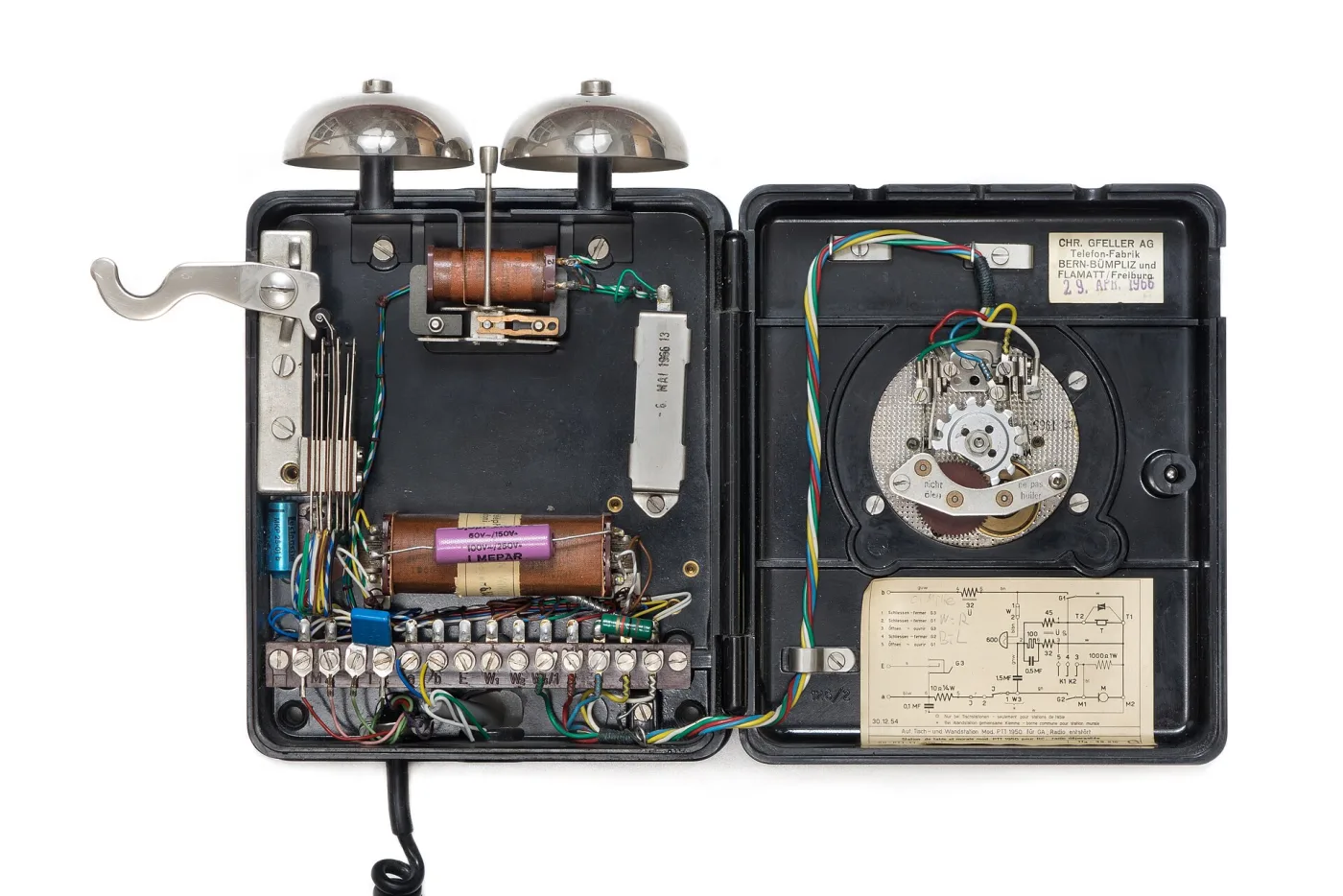
- Design Evolution: Simplified cases, modern styling, functional appearance
- Materials: Bakelite, metal, simplified wood cases
- Dial Integration: Rotary dial standard, integrated into case design
- Handset Design: Integrated handset with cradle, modern ergonomics
- Mounting: Simple brackets, easy installation, standardized spacing
- Models: Western Electric wall models, various independent manufacturers
- Usage: Kitchen phones, extension phones, business applications
Identifying Wall Telephones
Key features for identifying wall-mounted telephones:
- Case Design: Shape, size, decoration, materials
- Mounting Hardware: Bracket type, mounting method, original hardware
- Component Layout: Receiver placement, transmitter location, dial position
- Manufacturer Marks: Brand logos, model numbers, patent information
- Internal Components: Bells, magnetos, wiring, switching mechanisms
- Dating Clues: Design style, component types, manufacturing techniques
- Condition Factors: Original finish, component completeness, restoration history
Major Manufacturers: Western Electric, Stromberg-Carlson, and More
Recognizing major telephone manufacturers is crucial for accurate identification. Each company had distinctive design elements, manufacturing characteristics, marking systems, and model numbering conventions that help identify their products.
Western Electric Company
Western Electric was the dominant manufacturer for the Bell System and remains the most recognized telephone manufacturer:
- History: Founded 1869, became Bell System manufacturing arm, produced millions of telephones
- Relationship: Manufacturing subsidiary of AT&T, exclusive supplier to Bell System
- Key Models: Model 302, Model 500, candlestick phones, various wall models
- Distinctive Features: Quality construction, standardized components, distinctive styling
- Markings: "Western Electric" stamping, model numbers, date codes
- Serial Numbers: Various numbering systems depending on era and model
- Production Volume: Dominated American telephone manufacturing for decades
- Collectibility: Highly collectible, well-documented, consistent quality
Stromberg-Carlson Telephone Manufacturing Company
Stromberg-Carlson was a major independent manufacturer serving non-Bell telephone companies:
- History: Founded 1894, major supplier to independent telephone companies
- Market Position: Second-largest manufacturer, served non-Bell market
- Key Models: Various wall phones, desk models, candlestick phones
- Distinctive Features: Quality construction, distinctive designs, ornate decorations
- Markings: "Stromberg-Carlson" branding, model numbers, distinctive logos
- Design Elements: Often more decorative than Bell System phones
- Regional Distribution: Common in areas served by independent telephone companies
- Collectibility: Highly sought after, quality craftsmanship, distinctive designs
Kellogg Switchboard and Supply Company
Kellogg was another major independent manufacturer with distinctive designs:
- History: Founded 1897, significant independent manufacturer
- Market Focus: Served independent telephone companies, switchboards and phones
- Key Models: Wall phones, desk models, various styles
- Distinctive Features: Quality products, distinctive styling, good construction
- Markings: "Kellogg" branding, model identification, company logos
- Collectibility: Collectible, less common than Western Electric
Automatic Electric Company
Automatic Electric specialized in dial systems and produced complete telephones:
- History: Founded 1901, specialized in automatic switching equipment
- Specialization: Dial mechanisms, automatic switching, complete phones
- Key Models: Various models with distinctive dial designs
- Distinctive Features: Innovative dial systems, quality manufacturing
- Markings: "Automatic Electric" branding, model numbers
- Market Position: Important supplier to independent telephone companies
Other Notable Manufacturers
Several other companies produced telephones, often for regional markets:
- North Electric Company: Independent manufacturer, quality products
- Leich Electric Company: Smaller manufacturer, distinctive designs
- Federal Telephone Company: Regional manufacturer, various models
- International Manufacturers: Ericsson, Siemens, various European and Asian companies
- Regional Variations: Different manufacturers served different markets
- Identification Challenges: Some manufacturers less documented, harder to identify
Bell System Telephones and AT&T Models
The Bell System, operating under AT&T's control, dominated American telephony for much of the 20th century. Understanding Bell System equipment, branding, and operating practices is essential for identifying the majority of American antique telephones.
Bell System Structure
The Bell System operated as a vertically integrated monopoly with specific characteristics:
- AT&T: Parent company, long-distance operations, research and development
- Western Electric: Manufacturing subsidiary, produced all Bell System equipment
- Regional Bell Companies: Local operating companies providing service
- Equipment Standardization: Standardized equipment across system, consistent quality
- Leasing Model: Telephones leased to customers, not sold (until 1980s)
- Equipment Control: Only Bell-approved equipment allowed on network
- Branding: "Bell System" markings, Western Electric manufacturing
Bell System Branding and Markings
Bell System telephones feature distinctive markings and identification:
- Bell Logo: Bell System logo, AT&T logo on later models
- Manufacturer Marks: Western Electric identification on all equipment
- Model Numbers: Western Electric model numbering system
- Service Tags: Telephone company service tags, repair labels
- Property Marks: "Property of [Bell Company]" stamps or labels
- Date Codes: Manufacturing date codes, service date markings
- Serial Numbers: Equipment serial numbers for tracking
Bell System Model Series
Major Bell System telephone model series and their characteristics:
- Model 302 Series: 1937-1950, iconic rotary dial phone, Bakelite construction
- Model 500 Series: 1949-1984, most produced telephone, multiple variations
- Candlestick Models: Various models from 1890s-1930s, multiple series
- Wall Phone Models: Various wall-mounted models for different applications
- Specialty Models: Extension phones, business models, specialty applications
- Model Evolution: Gradual improvements, incremental design changes
- Documentation: Well-documented, extensive reference materials available
Identifying Bell System Telephones
Key features that identify Bell System equipment:
- Manufacturer: Western Electric identification on all components
- Branding: Bell System or AT&T logos, Western Electric marks
- Model Numbers: Western Electric numbering system, consistent format
- Quality Indicators: High-quality construction, standardized components
- Service History: Telephone company service tags, repair labels
- Design Consistency: Standardized designs, consistent styling elements
- Documentation: Extensive documentation available for identification

Independent Manufacturers and Regional Variations
While the Bell System dominated, independent telephone companies served many areas and used equipment from various manufacturers. Understanding independent telephone equipment and regional variations is important for comprehensive telephone identification.
Independent Telephone Companies
Independent telephone companies operated outside the Bell System:
- Market Share: Served approximately 40% of American telephones at peak
- Geographic Distribution: Common in rural areas, smaller cities, specific regions
- Equipment Sources: Purchased from independent manufacturers
- Manufacturer Relationships: Stromberg-Carlson, Kellogg, Automatic Electric, others
- Branding: Often showed independent company name, manufacturer marks
- Design Variations: Sometimes more decorative, different styling than Bell equipment
- Compatibility: Compatible with Bell System network, standardized interfaces
Regional Equipment Variations
Different regions often used different manufacturers and equipment:
- Manufacturer Distribution: Different manufacturers dominant in different regions
- Styling Variations: Regional preferences, different decorative styles
- Local Branding: Local telephone company names, regional identification
- Equipment Choices: Independent companies chose equipment based on various factors
- Identification Clues: Manufacturer marks, regional branding, design elements
International Telephones
Telephones from other countries have distinct characteristics:
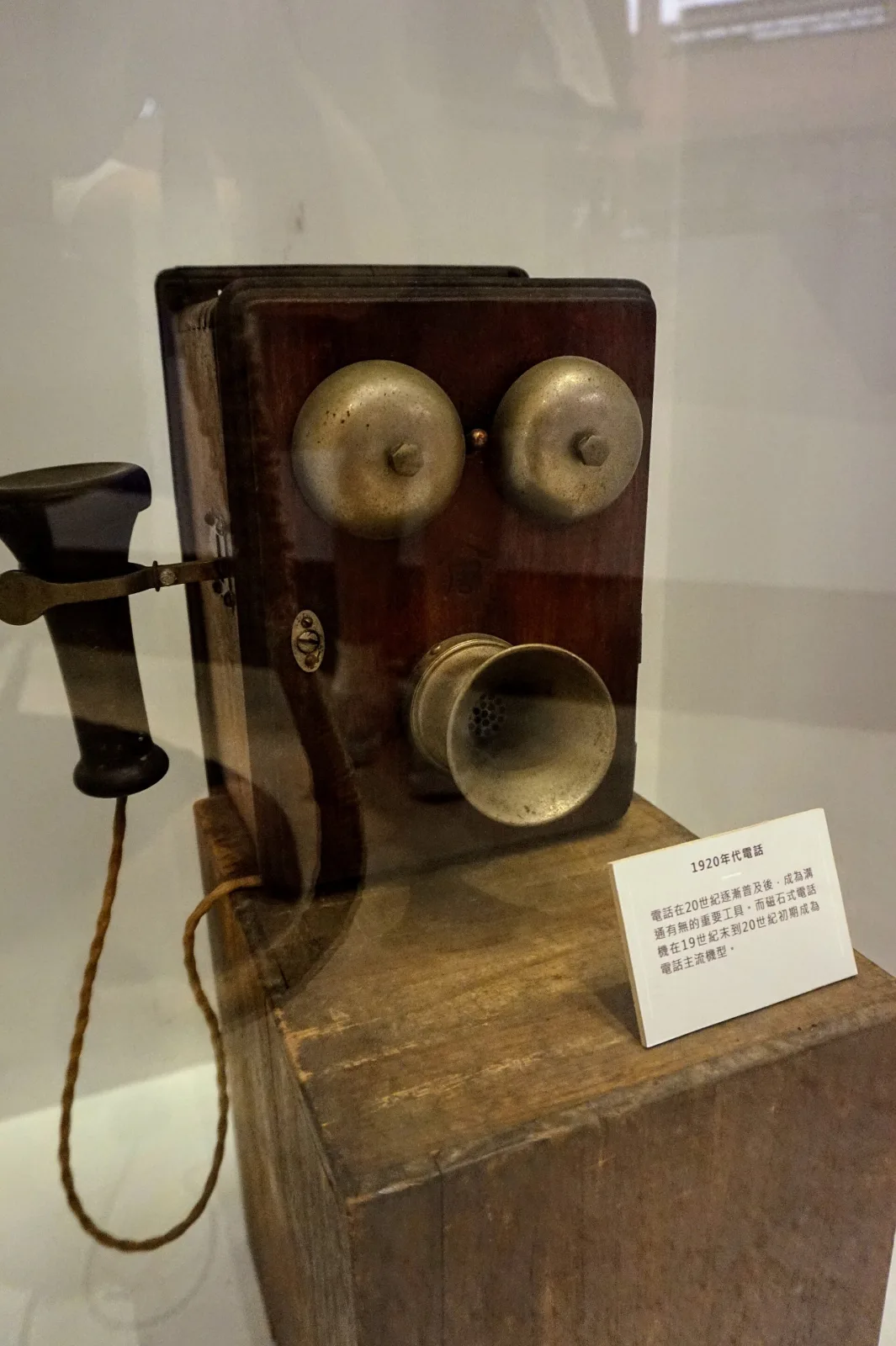
- European Manufacturers: Ericsson, Siemens, GEC, various national manufacturers
- Design Differences: Distinctive styling, different design philosophies
- Technical Variations: Different signaling systems, voltage requirements
- Branding: National manufacturer identification, different marking systems
- Collectibility: Interest in international examples, distinctive designs
Identifying Markings: Serial Numbers, Patents, and Labels
Proper identification of antique telephones requires careful examination of all markings, stamps, labels, and identifying information. These elements provide crucial evidence for dating, authenticating, and determining the origin of telephone equipment.
Manufacturer Markings
Manufacturer identification appears in various locations and formats:
- Stamped Marks: Company name or logo stamped into metal components
- Printed Labels: Paper or metal labels affixed to cases or components
- Molded Marks: Manufacturer name molded into Bakelite or plastic cases
- Location Variations: Marks on base, inside case, on components, multiple locations
- Format Variations: Full company name, abbreviations, logos, symbols
- Condition Factors: Wear, corrosion, paint covering, label deterioration
- Authenticity Indicators: Proper font, correct spelling, period-appropriate style
Model Numbers and Identification
Model numbers provide crucial identification information:
- Format Variations: Numeric codes, alphanumeric codes, model names
- Location: Stamped on base, printed on label, molded into case
- Western Electric: Standard numbering system (Model 302, 500, etc.)
- Other Manufacturers: Different numbering conventions, less standardized
- Variations: Sub-models, special editions, regional variations
- Reference Resources: Manufacturer catalogs, identification guides, databases
Serial Numbers
Serial numbers can help date and trace telephone equipment:
- Location: Base, inside case, on components, various locations
- Format: Numeric sequences, alphanumeric codes, date codes
- Dating Utility: Some manufacturers used date-coded serial numbers
- Western Electric: Various numbering systems depending on era and model
- Documentation: Some serial number databases available for dating
- Condition Factors: Wear, corrosion, missing numbers, illegible marks
Patent Information
Patent dates and numbers provide dating clues and historical context:
- Patent Dates: Dates when patents were granted, not manufacturing dates
- Location: Often on transmitters, receivers, dials, internal components
- Format: "Patented [date]" or "Pat. [date]", sometimes patent numbers
- Dating Utility: Provides earliest possible manufacturing date
- Multiple Patents: Components may show multiple patent dates
- Historical Research: Patent records provide technical and historical information
Telephone Company Markings
Service provider markings indicate ownership and service history:
- Property Labels: "Property of [Company]" stamps or labels
- Service Tags: Repair tags, service date stickers, technician labels
- Regional Identification: Local telephone company names and logos
- Bell System Marks: Bell System or AT&T identification
- Historical Value: Provides provenance, service history, regional information
- Condition Factors: Labels may be missing, damaged, or replaced
Model Identification and Classification
Accurate model identification is essential for dating, valuing, and understanding antique telephones. Each manufacturer used different model numbering systems, and understanding these systems is crucial for proper identification.
Western Electric Model Numbers
Western Electric used a systematic model numbering approach:
- Model 302: 1937-1950, iconic rotary dial phone, multiple variations
- Model 500: 1949-1984, most produced telephone, numerous sub-models
- Candlestick Models: Various numbers (20AL, 51AL, 202, etc.)
- Wall Models: Various wall phone model numbers
- Numbering System: Generally numeric, sometimes with letters for variations
- Sub-Models: Color variations, feature differences, regional variations
- Documentation: Extensive model information available
Independent Manufacturer Models
Independent manufacturers used various numbering systems:
- Stromberg-Carlson: Various model numbers, less standardized
- Kellogg: Model identification system, various formats
- Automatic Electric: Model numbering, dial system identification
- Variations: Different manufacturers, different systems
- Documentation: Less comprehensive documentation than Western Electric
Model Variations and Sub-Models
Most models had variations affecting identification and value:
- Color Variations: Different colors affect value significantly
- Feature Differences: Ringer options, dial types, component variations
- Regional Variations: Different features for different markets
- Time Period Variations: Design changes over production period
- Special Editions: Limited editions, promotional models, special colors
- Identification Challenges: Subtle differences, component swaps, modifications
Components and Parts: Receivers, Transmitters, Dials, and Switches
Understanding telephone components is essential for identification, as different components were used in different eras and can help date equipment. Component identification also helps assess completeness and authenticity.
Receivers (Earpieces)
Telephone receivers evolved significantly over time:
- Early Receivers: Bell's original design, simple magnetic receivers
- Hard Rubber Receivers: 1880s-1930s, black hard rubber construction
- Bakelite Receivers: 1930s-1950s, molded Bakelite construction
- Integrated Handsets: Combined receiver and transmitter, 1920s onward
- Design Evolution: Improved sound quality, better ergonomics, material changes
- Branding: Manufacturer marks on receivers, model identification
- Dating Clues: Material type, design features, manufacturer marks
Transmitters (Microphones)
Transmitter technology advanced significantly, affecting identification:
- Blake Transmitter: Early carbon transmitter design, 1870s-1880s
- Solid Back Transmitter: Improved design, better sound quality
- Modern Carbon Microphones: Standard transmitter type for decades
- Component Dating: Transmitter type indicates era of manufacture
- Brand Identification: Manufacturer marks, patent dates on transmitters
- Condition Assessment: Carbon granules, diaphragm condition, functionality
Dial Mechanisms
Dial systems provide important identification and dating information:
- Manual Operation: No dial, operator-assisted calling (pre-1919)
- Rotary Dial: Introduced 1919, became standard by 1930s
- Dial Design: Various dial styles, finger hole designs, number rings
- Manufacturer Variations: Different manufacturers, different dial designs
- Touch-Tone: Push-button dialing, introduced 1960s
- Dating Utility: Dial type and design provide dating clues
- Mechanical Condition: Return spring, number plate, finger wheel condition
Switches and Hooks
Switch mechanisms control telephone operation and provide identification clues:
- Hook Switches: Activate line when receiver lifted, various designs
- Candlestick Hooks: Side-mounted hooks on candlestick bases
- Handset Cradles: Integrated cradles on desk phones
- Switch Mechanisms: Various mechanical designs, different manufacturers
- Dating Clues: Switch design indicates era and manufacturer
Ringers and Bells
Ringing mechanisms provide identification and dating information:
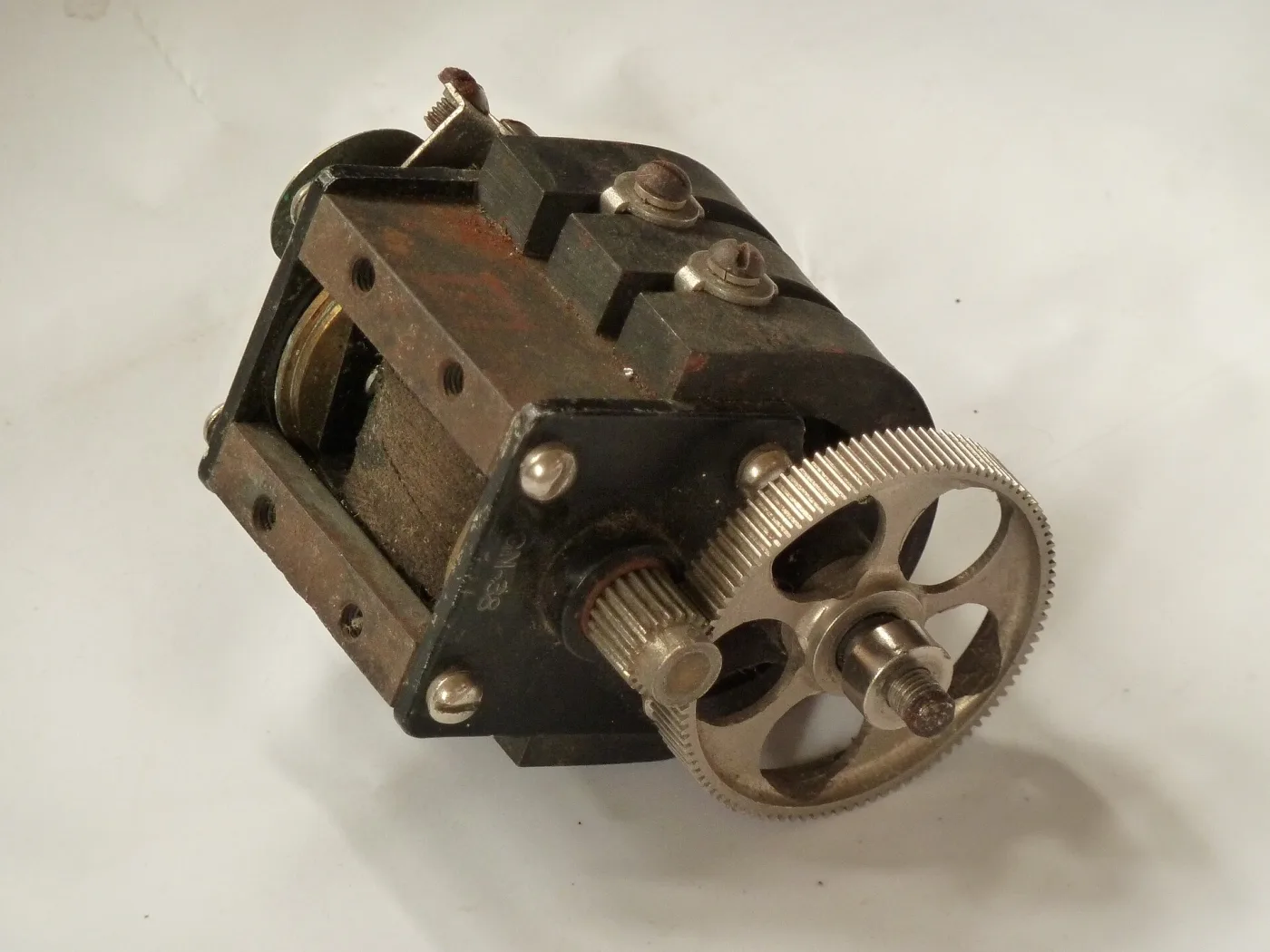
- Early Bells: Mechanical bells, manual ringing with magneto
- Electrical Ringers: Electromagnetic ringers, standard by 1900s
- Ringer Variations: Different tones, adjustable volume, various designs
- Location: Inside case, external bells, various mounting
- Dating Utility: Ringer type provides dating clues
Materials and Construction: Wood, Metal, and Bakelite
The materials and construction methods used in telephone manufacturing changed significantly over time, reflecting technological advances, material availability, and design trends. Understanding these changes is crucial for dating and authenticating antique telephones.
Wooden Cases
Wood was the primary material for early telephone cases:
- Wood Types: Oak, walnut, mahogany most common; various hardwoods used
- Construction Methods: Dovetail joints, mortise and tenon, quality craftsmanship
- Finish Quality: Varnish, shellac, polished surfaces, quality woodworking
- Decorative Elements: Carved details, applied moldings, decorative hardware
- Era: Primarily 1870s-1920s, some use into 1930s
- Condition Assessment: Original finish, refinishing, wood damage, repairs
- Value Factors: Wood quality, craftsmanship, original finish, condition
Metal Components
Metal was used extensively for bases, components, and hardware:
- Base Materials: Cast brass, nickel-plated brass, chrome plating
- Plating Types: Nickel, chrome, silver, various finishes
- Construction Methods: Casting, stamping, machining, hand finishing
- Quality Indicators: Thick plating, smooth surfaces, quality casting
- Condition Factors: Plating wear, corrosion, original finish, refinishing
- Dating Clues: Plating type, manufacturing methods, quality level
Bakelite and Early Plastics
Bakelite revolutionized telephone manufacturing in the 1930s:
- Introduction: 1930s, became standard material for desk phones
- Advantages: Moldable, durable, insulating, cost-effective
- Colors: Initially black, expanded to various colors
- Manufacturing: Injection molding, consistent quality, mass production
- Identification: Distinctive feel, sound when tapped, molding marks
- Condition Factors: Crazing, cracking, color changes, restoration challenges
- Later Plastics: Various plastics used in later models, different characteristics
Construction Quality Indicators
Construction quality provides important identification and value clues:
- Craftsmanship: Quality of joinery, finishing, attention to detail
- Materials Quality: Quality of wood, metal, plating thickness
- Manufacturing Methods: Handcrafted vs. mass-produced, tool marks
- Component Fit: Precision of component fitting, quality of assembly
- Finish Quality: Quality of surface finishing, polish, plating
- Brand Indicators: Quality often correlates with manufacturer reputation
Dating Techniques: Serial Numbers and Design Features
Accurately dating antique telephones requires combining multiple dating methods, as no single indicator is always reliable. Understanding various dating techniques and how to apply them is essential for proper identification.
Serial Number Dating
Serial numbers can provide dating information when properly interpreted:
- Date Codes: Some manufacturers used date-coded serial numbers
- Sequential Numbering: Sequential numbers can indicate relative age
- Reference Resources: Some serial number databases available
- Western Electric: Various numbering systems, some dating information available
- Limitations: Not all manufacturers used date codes, numbers may be missing
- Cross-Reference: Combine with other dating methods for accuracy
Design Feature Dating
Design elements provide reliable dating clues:
- Case Design: Styling elements indicate era (Victorian, Art Deco, modern)
- Component Types: Transmitter type, receiver design, dial presence
- Materials: Material choices reflect era (wood vs. Bakelite vs. plastic)
- Manufacturing Methods: Construction techniques indicate era
- Stylistic Elements: Decorative details, proportions, design language
- Evolution Patterns: Understanding design evolution helps narrow dating
Patent Date Dating
Patent dates provide earliest possible manufacturing dates:
- Patent Information: Dates stamped on components
- Earliest Date: Manufacturing cannot predate latest patent date
- Multiple Patents: Latest patent date most relevant
- Component Dating: Different components may show different patent dates
- Research Utility: Patent records provide technical and historical information
- Limitations: Patents can be years before commercial use
Manufacturer Markings Dating
Manufacturer markings can provide dating information:
- Company Name Changes: Company name changes indicate date ranges
- Logo Evolution: Logo changes over time provide dating clues
- Marking Styles: Marking format and style change over time
- Historical Research: Company history provides context for dating
Combining Dating Methods
Effective dating requires combining multiple methods:
- Multiple Indicators: Use all available dating clues
- Cross-Reference: Verify dating with multiple methods
- Consistency Check: Dating methods should be consistent
- Historical Context: Consider historical events affecting production
- Expert Consultation: Consult reference materials and experts
Period Styles: Victorian, Art Nouveau, Art Deco, and Mid-Century
Telephone design reflected broader design trends of each era, making stylistic analysis an important identification tool. Understanding period styles helps date telephones and appreciate their aesthetic context.
Victorian Era (1870s-1900)
Victorian telephones featured ornate, substantial designs:
- Design Characteristics: Ornate decoration, substantial construction, quality materials
- Materials: Rich hardwoods, brass fittings, polished surfaces
- Decoration: Carved details, applied moldings, decorative hardware
- Proportions: Substantial size, prominent appearance
- Colors: Dark wood finishes, polished metal, rich tones
- Examples: Early wall phones, ornate desk stands
Art Nouveau Period (1900-1920)
Art Nouveau influence appeared in telephone design:
- Design Characteristics: Curved lines, organic forms, flowing decoration
- Materials: Quality materials, attention to aesthetic appeal
- Decoration: Flowing motifs, organic patterns, elegant styling
- Examples: Decorative wall phones, ornate candlestick phones
Art Deco Era (1920s-1930s)
Art Deco styling influenced telephone design:
- Design Characteristics: Streamlined forms, geometric patterns, modern styling
- Materials: Bakelite introduction, chrome, modern materials
- Decoration: Geometric patterns, stepped forms, streamlined appearance
- Examples: Early Bakelite phones, streamlined candlestick models
Mid-Century Modern (1940s-1950s)
Post-war telephone design emphasized function and modern styling:
- Design Characteristics: Streamlined, functional, modern appearance
- Materials: Bakelite standard, various colors, modern plastics
- Styling: Clean lines, rounded corners, integrated appearance
- Examples: Model 500, various desk and wall models
Regional Variations and International Telephones
Telephone equipment varied significantly by region and country, reflecting different manufacturing traditions, regulatory environments, and design preferences. Understanding these variations is important for comprehensive identification.
American Regional Variations
Different regions of the United States used different equipment:
- Bell System Areas: Standardized Western Electric equipment
- Independent Company Areas: Various manufacturers, more variation
- Rural Areas: Different equipment, sometimes older models longer
- Urban vs. Rural: Different equipment deployment patterns
International Telephone Designs
Telephones from other countries have distinct characteristics:
- European Designs: Ericsson, Siemens, various national styles
- Design Differences: Distinctive styling, different design philosophies
- Technical Variations: Different systems, voltage, signaling
- Manufacturing Traditions: Different manufacturing approaches
- Collectibility: Interest in international examples
Condition Assessment and Restoration Considerations
Assessing condition and understanding restoration options is crucial for collectors. Original condition, appropriate restoration, and preservation of historical integrity all affect value and collectibility.
Condition Categories
Telephones are typically assessed in several condition categories:
- Mint/Excellent: Like new, original condition, minimal wear
- Very Good: Minor wear, excellent original condition
- Good: Moderate wear, some minor issues, generally sound
- Fair: Significant wear, some damage, may need restoration
- Poor: Extensive damage, missing parts, major restoration needed
Key Condition Factors
Specific condition elements to assess:
- Case Condition: Wood finish, metal plating, Bakelite condition
- Component Completeness: All original parts present, correct components
- Functionality: Operational condition, working components
- Original Finish: Original vs. refinished, finish quality
- Damage Assessment: Cracks, breaks, corrosion, missing parts
- Restoration History: Previous restoration, quality of work
Restoration Considerations
Restoration decisions significantly affect value:
- Original Condition Value: Original condition often most valuable
- Appropriate Restoration: Period-appropriate materials and methods
- Over-Restoration: Excessive restoration can reduce value
- Component Replacement: Original components generally preferred
- Professional Restoration: Quality restoration work valuable
- Documentation: Document restoration work and history
Authentication and Detecting Reproductions
As antique telephones become more valuable, reproductions and fakes have appeared in the market. Understanding how to authenticate telephones and detect reproductions is essential for collectors.
Authenticity Indicators
Key features that indicate authentic antique telephones:
- Manufacturing Methods: Period-appropriate construction techniques
- Materials: Correct materials for era, proper aging characteristics
- Component Consistency: Components appropriate for model and era
- Markings: Proper manufacturer marks, correct fonts and styles
- Wear Patterns: Natural, consistent wear patterns
- Historical Consistency: All elements consistent with stated era
Reproduction Warning Signs
Features that may indicate reproductions or fakes:
- Modern Materials: Modern plastics, materials not used in era
- Manufacturing Anomalies: Modern manufacturing marks, incorrect techniques
- Marking Issues: Incorrect fonts, misspellings, modern marking styles
- Component Mismatches: Components from different eras, incorrect parts
- Unnatural Condition: Suspiciously perfect or artificially aged
- Price Anomalies: Prices too good to be true, unrealistic values
Expert Consultation
When authentication is uncertain, consult experts:
- Reference Materials: Use identification guides and reference books
- Collector Communities: Consult experienced collectors and forums
- Professional Appraisers: Professional authentication services
- Museums and Archives: Historical collections for comparison
- Documentation Research: Historical records and catalogs
Value Assessment and Market Factors
Determining the value of antique telephones requires understanding multiple factors that influence market prices. Values can vary significantly based on rarity, condition, desirability, and market trends.
Value Factors
Key factors that affect antique telephone values:
- Rarity: Scarcity significantly affects value, rare models command premium
- Condition: Original condition, completeness, restoration quality
- Desirability: Popular models, iconic designs, aesthetic appeal
- Age: Generally older examples more valuable, but condition critical
- Manufacturer: Well-known manufacturers, quality brands
- Provenance: Historical significance, notable ownership, documentation
- Completeness: All original parts, correct components, original finish
High-Value Examples
Categories of telephones that typically command higher values:
- Early Examples: 1870s-1890s telephones, first generation
- Decorative Models: Ornate wall phones, highly decorated examples
- Rare Models: Limited production, special editions, unusual variations
- Color Variations: Unusual colors, rare color combinations
- Mint Condition: Excellent original condition, minimal wear
- Documented History: Provenance, historical documentation
Market Trends
Understanding current market conditions:
- Market Research: Auction results, dealer prices, market trends
- Collector Interest: Popular categories, emerging interests
- Economic Factors: General economic conditions affect collectibles
- Generational Shifts: Changing collector demographics affect markets
Collecting Tips and Care Guidelines
Successful antique telephone collecting requires knowledge, patience, and proper care. Following best practices helps build a quality collection while preserving historical artifacts for future generations.
Collecting Strategies
Effective approaches to building a collection:
- Focus Areas: Collect specific manufacturers, eras, or types
- Quality Over Quantity: Prefer quality examples over many pieces
- Education: Study reference materials, learn identification skills
- Networking: Connect with other collectors, join organizations
- Patience: Wait for right examples, avoid impulse purchases
- Documentation: Keep records of purchases, provenance, research
Care and Preservation
Proper care preserves value and historical integrity:
- Display Conditions: Stable temperature and humidity, avoid direct sunlight
- Cleaning: Gentle cleaning, appropriate for materials, avoid harsh chemicals
- Handling: Handle carefully, support properly, avoid dropping
- Storage: Safe storage, protection from damage, proper support
- Restoration: Appropriate restoration only, preserve original elements
- Documentation: Document condition, keep service records
Resources for Collectors
Valuable resources for telephone collectors:
- Reference Books: Identification guides, historical references
- Online Resources: Collector websites, forums, databases
- Museums: Collections for study and comparison
- Organizations: Collector clubs, historical societies
- Auctions and Dealers: Sources for acquisitions, market information
Conclusion
Identifying antique telephones is a rewarding pursuit that combines historical research, technical knowledge, and aesthetic appreciation. From the earliest wall phones of the 1870s to the iconic rotary dial phones of the mid-20th century, each telephone tells a story of technological innovation, design evolution, and changing communication practices. Whether you're examining a Western Electric candlestick phone, a Stromberg-Carlson wall telephone, or an early Bell System desk phone, the skills covered in this guide—recognizing manufacturers, understanding model variations, interpreting serial numbers and patent dates, assessing condition, and determining value—will serve you well in building a meaningful collection. Remember that while modern tools like the Antique Identifier app can provide instant AI-powered identification assistance, nothing replaces the knowledge gained from careful examination, historical research, and hands-on experience. The world of antique telephones offers endless opportunities for discovery, learning, and appreciation of these remarkable communication artifacts that revolutionized human interaction and continue to fascinate collectors and enthusiasts today.