
Complete Antique Stamps Identification Guide: How to Identify, Date, and Value Postage Stamps
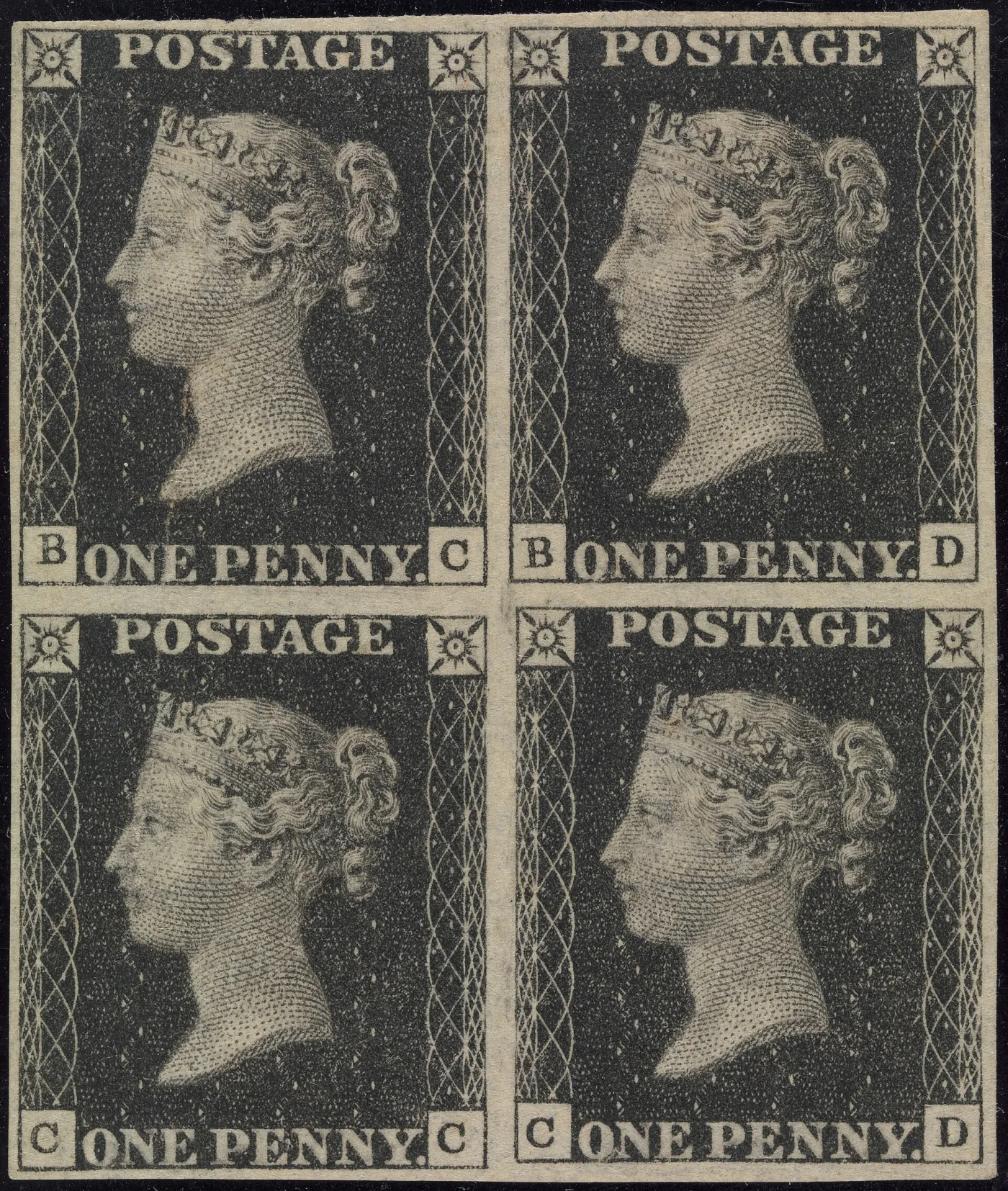
Postage stamps represent one of the most accessible and fascinating categories of collectible antiques, offering windows into history, art, culture, and politics through miniature masterpieces that have traveled across the globe. Since the world's first adhesive postage stamp, the Penny Black, was issued by Great Britain in 1840, stamps have evolved from simple postal receipts to intricate works of art that document national identity, commemorate important events, and reflect changing technologies. Whether you're a seasoned philatelist or a beginner exploring a newfound interest, learning to properly identify antique stamps is essential for understanding their historical significance, determining their authenticity, and assessing their true market value. Modern tools like the Antique Identifier app can provide instant AI-powered identification assistance, but mastering the fundamentals of stamp identification—from understanding printing methods and watermarks to recognizing perforations and gum types—remains crucial for any serious collector or enthusiast.
Table of Contents
- Understanding Antique Stamps: A Historical Perspective
- Essential Tools for Stamp Identification
- Step-by-Step Stamp Identification Process
- Major Categories of Antique Stamps
- Printing Methods and Techniques
- Perforations, Watermarks, and Paper Types
- Country and Issuer Identification
- Dating Antique Stamps
- Stamps Varieties, Errors, and Special Issues
- Authentication and Detecting Counterfeits
- Condition Assessment and Grading
- Valuation and Market Considerations
- Preservation and Care
- Building Your Philatelic Knowledge
- Legal and Ethical Considerations
Understanding Antique Stamps: A Historical Perspective
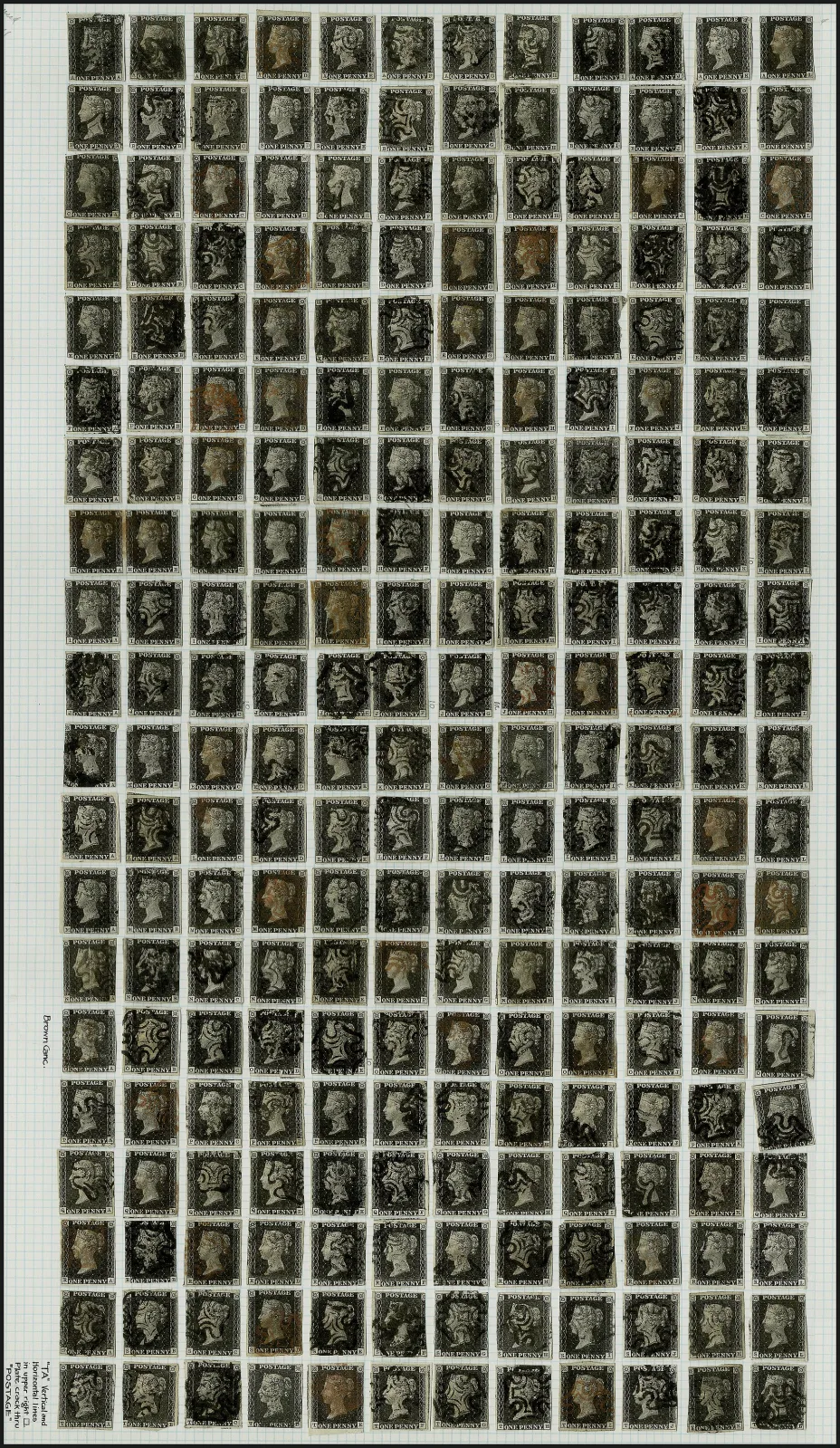
The story of postage stamps begins with a revolutionary reform in postal systems. Before the introduction of adhesive postage stamps, mail delivery was complex, expensive, and often paid by the recipient rather than the sender. Sir Rowland Hill's introduction of the Penny Black in Great Britain on May 1, 1840, marked the beginning of the modern postal system and created a new category of collectible items. This first stamp, featuring a profile of Queen Victoria and printed in black ink on white paper, established design principles that would influence stamp production for decades.
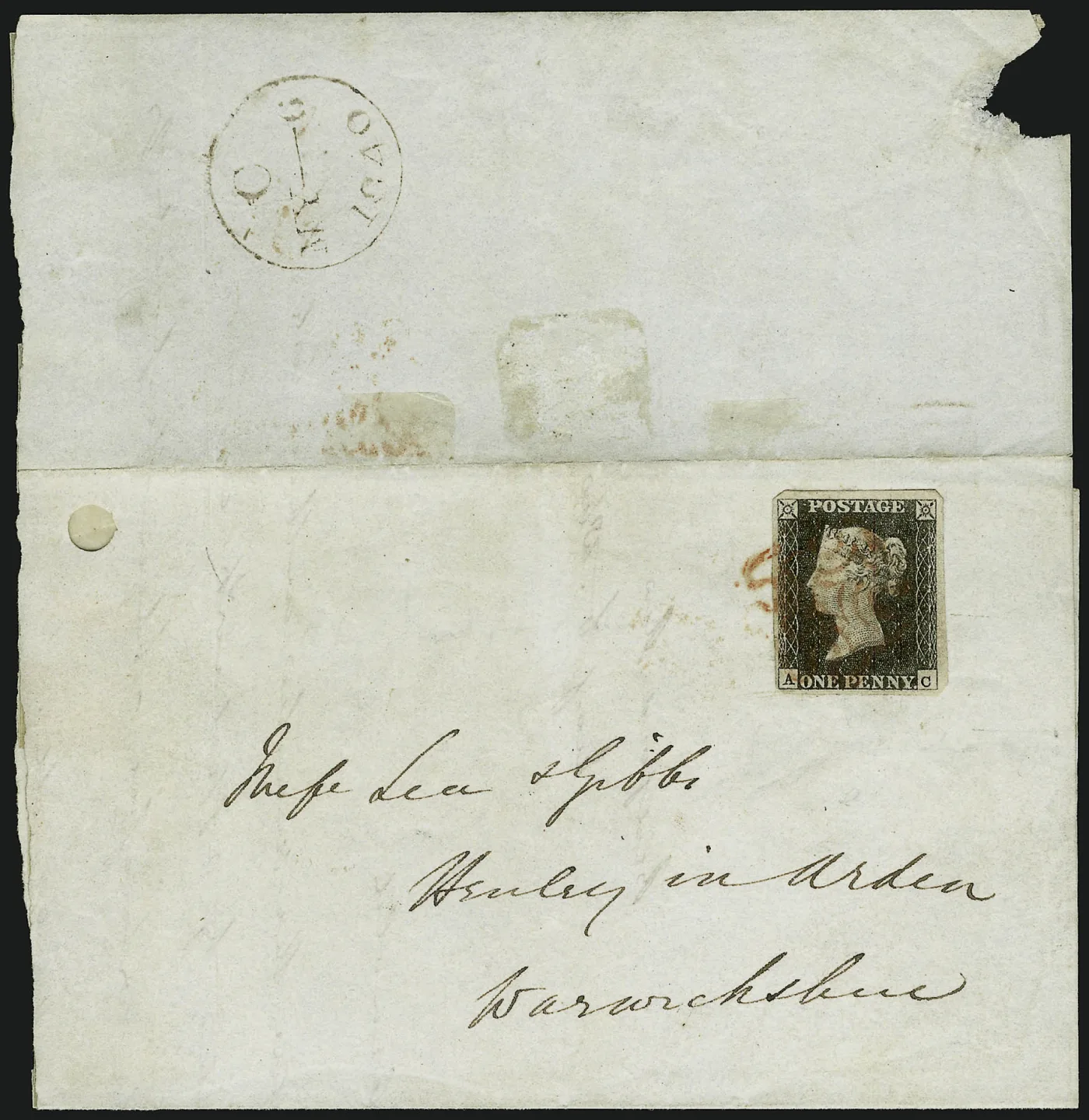
The success of the British system quickly spread worldwide. Brazil issued its first stamps in 1843, followed by various Swiss cantons and the United States in 1847. Each country developed its own distinctive style, with national symbols, rulers, and cultural imagery becoming standard design elements. The 19th century saw tremendous innovation in stamp production, from the introduction of perforations in 1854 to the development of multi-color printing techniques. By the turn of the 20th century, stamps had become essential tools of national identity, with countries using them for propaganda, commemorating important events, and showcasing their cultural heritage.
Understanding this historical evolution is crucial for identification because stamp designs, printing methods, and production techniques changed significantly over time. Early stamps were simple, monochrome designs printed by letterpress or engraving. Later periods saw the introduction of lithography, photogravure, and eventually modern digital printing methods. The paper used, presence or absence of watermarks, type of gum (adhesive), and perforation styles all provide clues to a stamp's age and origin. Additionally, political changes—such as the dissolution of empires, creation of new nations, or changes in government systems—often resulted in new stamp series that reflect these historical transformations.
For collectors, antique stamps typically refer to those issued before World War II, though many consider stamps from the 19th century and early 20th century as truly "antique." Stamps from the classic period (1840-1900) are particularly valued for their historical significance, rarity, and craftsmanship. Understanding the context in which stamps were produced—the political climate, technological capabilities, and cultural values of their era—enriches the identification process and helps collectors appreciate the deeper meaning behind these miniature works of art.
Essential Tools for Stamp Identification
Proper stamp identification requires specific tools designed for philatelic examination. While basic identification can sometimes be done with the naked eye, serious collectors invest in specialized equipment that reveals details invisible to casual observation.
1. Magnification Tools
Magnification is essential for examining fine details:
- Stamp Tongs: Specialized tweezers with smooth, rounded tips to prevent damage to stamps. Never use fingers or regular tweezers, as oils and pressure can damage stamps.
- Magnifying Glass: A good quality magnifying glass with 5x to 10x magnification helps examine design details, printing characteristics, and small text.
- Philatelic Magnifier: Professional stamp magnifiers with built-in measurement scales and higher magnification (10x to 20x) for detailed examination.
- Microscope: For advanced collectors, a low-power microscope (20x to 40x) reveals printing methods, paper fibers, and tiny flaws or variations.
2. Perforation Gauges
Perforation measurement is crucial for identification:
- Perforation Gauge: A specialized tool with printed scales to measure the number of perforation holes per two centimeters. Different stamp issues often have different perforation measurements.
- Digital Perforation Gauge: Modern electronic tools that provide precise measurements and can detect variations in perforation quality.
3. Watermark Detection Equipment
Watermarks are crucial identification features:
- Watermark Detector: A dark tray or shallow dish that uses transmitted light (backlighting) to reveal watermarks. Place stamps face down on the tray with light from below.
- Watermark Fluid: Specialized fluid (like benzine or watermark detection fluid) that temporarily makes paper transparent when applied to the back of a stamp, revealing watermarks. Use sparingly and with caution.
- Electronic Watermark Detector: Modern devices that use specialized lighting and sensors to detect watermarks without applying any fluids.
4. Reference Materials
Comprehensive reference works are essential:
- Stamp Catalogs: Standard catalogs like Scott (US), Stanley Gibbons (British Commonwealth), Michel (worldwide), and Yvert & Tellier (French and worldwide) provide identification information, illustrations, and current valuations.
- Identification Guides: Specialized guides for specific countries, periods, or topics help with detailed identification.
- Color Guides: Standardized color guides help identify stamp colors accurately, as colors can vary significantly between printings.
- Digital Resources: Online databases, collector forums, and identification websites provide searchable information and expert assistance.
5. Measurement and Analysis Tools
Precise measurement aids identification:
- Ruler or Caliper: For measuring stamp dimensions, which can vary between printings or issues.
- Ultraviolet Light: Some stamps have features visible only under UV light, including tagging for automatic cancellation and phosphor coatings.
- Color Standard References: Official color guides help identify exact shades, which is important for determining specific printings or varieties.
6. Storage and Handling Equipment
Proper storage protects stamps during examination:
- Stamp Albums: Acid-free albums with protective mounts for organizing and displaying collections.
- Stock Books: Temporary storage books with clear strips for holding stamps during identification work.
- Protective Sleeves: Clear, acid-free sleeves for handling individual stamps.
- Clean Workspace: A clean, well-lit surface free of oils, dust, and moisture is essential for safe stamp handling.
Step-by-Step Stamp Identification Process
A systematic approach to stamp identification ensures accuracy and prevents mistakes. Follow these steps in order for best results:
Step 1: Initial Visual Examination
Begin with a careful visual examination of the stamp:
- Observe the Overall Design: Note the subject matter, style, and artistic elements. Is it a portrait, scene, abstract design, or commemorative image?
- Check for Text: Look for country name, denomination, year, and any inscriptions. Country names may appear in the native language or English.
- Note Colors: Identify the primary and secondary colors. Color can be a key identification feature, though it should be checked against a color guide for accuracy.
- Assess Condition: Note any damage, creases, tears, thins, or other condition issues that might affect value but won't prevent identification.
Step 2: Country and Issuer Identification
Determine the issuing country or postal authority:
- Look for Country Name: Most stamps include the country name, though it may be abbreviated or in a foreign language. Common abbreviations include "U.S.A.," "G.B." (Great Britain), "FRANCE," etc.
- Recognize National Symbols: Flags, coats of arms, national emblems, or distinctive design elements can indicate the country even without text.
- Identify Rulers or Portraits: Familiar portraits of monarchs or leaders can quickly identify the issuing country and narrow the date range.
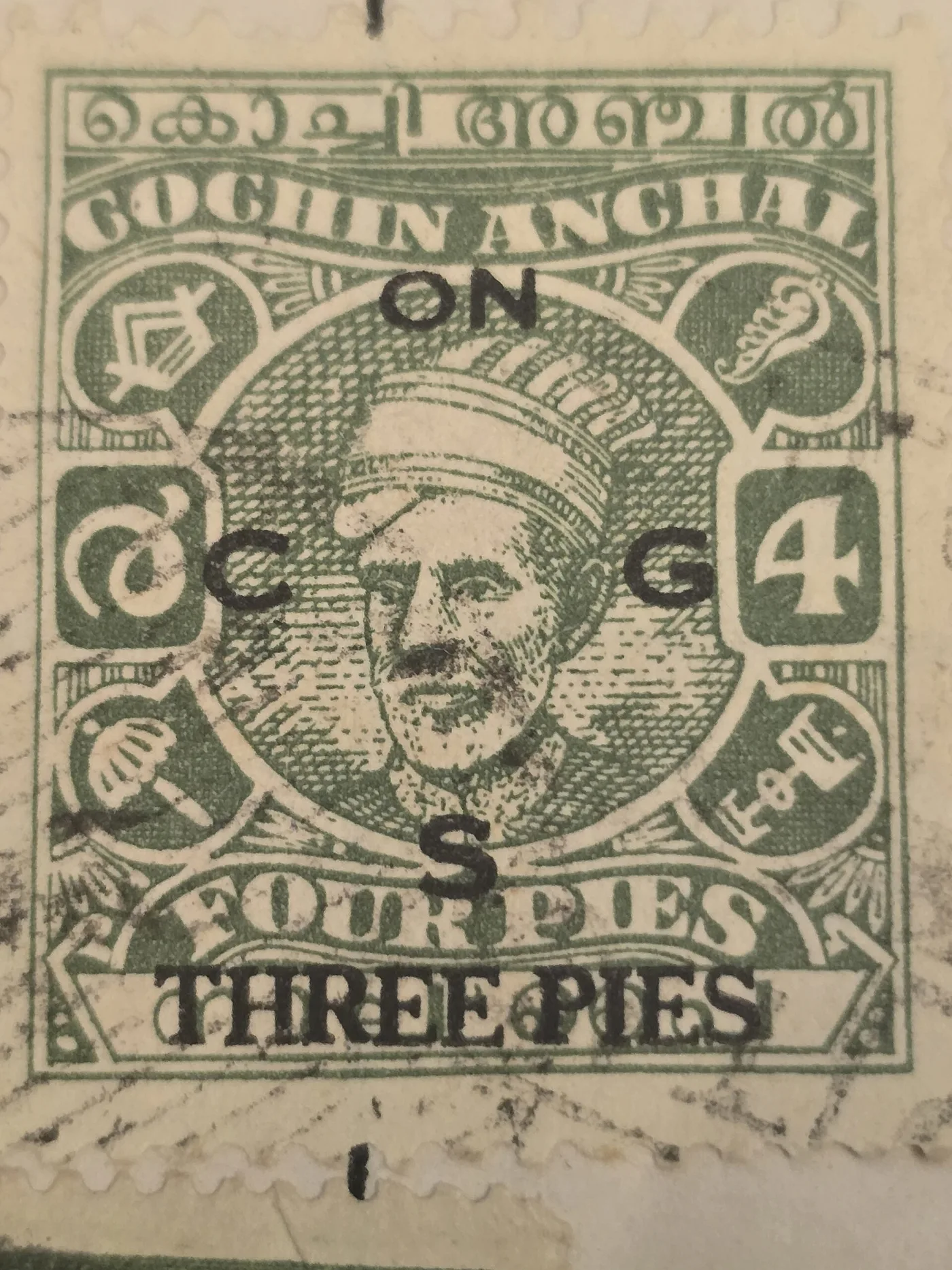
- Check for Colonial Issues: Stamps from colonies or occupied territories often show specific design elements or overprints indicating their status.
Step 3: Denomination and Postal Purpose
Identify the stamp's face value and purpose:
- Find the Denomination: Look for numbers indicating face value, which may appear with currency symbols or abbreviations (¢, $, £, etc.).
- Determine Postal Rate: Different denominations correspond to different postal rates (letter, postcard, registered mail, etc.), which can help date the stamp.
- Check for Special Purpose: Look for text or symbols indicating special uses (airmail, express, official, postage due, etc.).
Step 4: Measure Physical Characteristics
Measure key physical attributes that aid identification:
- Stamp Dimensions: Measure the stamp's height and width in millimeters. Variations in size can indicate different printings or issues.
- Perforation Measurement: Use a perforation gauge to measure perforations per 2 cm. Measure all four sides if they differ (comb perforations may vary).
- Stamp Shape: Note if the stamp is square, rectangular, triangular, or has an unusual shape. Shape can be a distinguishing feature.
Step 5: Examine Printing Method and Paper
Identify printing characteristics and paper type:
- Printing Method: Use magnification to identify the printing method (engraving, lithography, photogravure, etc.), which varies by period and country.
- Paper Type: Examine paper texture, thickness, and appearance. Look for wove, laid, or specialty papers.
- Check for Watermarks: Use a watermark detector to identify any watermarks, which are crucial for distinguishing between different printings of the same design.
- Gum Examination: If the stamp is unused, examine the gum (adhesive). Different gum types and application methods are characteristic of different periods and countries.
Step 6: Check for Varieties and Errors
Look for distinguishing varieties or errors:
- Color Variations: Compare colors against standard references to identify shade variations that may indicate different printings.
- Design Varieties: Look for minor design differences, such as differences in text, positioning, or artistic details.
- Printing Errors: Check for misprints, inverted elements, missing colors, or other errors that can significantly affect value.
- Perforation Varieties: Note if perforations are missing on one or more sides, or if they're different from standard measurements.
Step 7: Consult Reference Materials
Use catalogs and reference works to confirm identification:
- Check Standard Catalogs: Use appropriate catalogs (Scott, Stanley Gibbons, Michel, etc.) to find matching entries based on your observations.
- Compare Illustrations: Compare your stamp carefully with catalog illustrations, paying attention to all identifying characteristics.
- Read Catalog Descriptions: Catalog entries provide detailed information about varieties, printings, and distinguishing features that confirm identification.
- Seek Expert Assistance: If identification remains uncertain, consult with experienced collectors, dealers, or philatelic experts.
Step 8: Document Your Findings
Record all identification information:
- Catalog Number: Record the official catalog number for future reference.
- Detailed Description: Note all identifying characteristics, varieties, and condition details.
- Photographs: Take clear photographs of the front and back for your records.
- Storage Location: Note where the stamp is stored in your collection for easy retrieval.
Major Categories of Antique Stamps
Understanding different stamp categories helps organize your collection and focus your identification efforts:
1. Definitive Stamps
Definitive stamps are the standard, long-running issues used for everyday postal needs:
- Characteristics: Often feature portraits of rulers, national symbols, or simple designs. Printed in large quantities over many years.
- Multiple Printings: Often reprinted with variations in perforation, watermark, paper, or color, creating many collectible varieties.
- Examples: British Machin definitives, US Presidential series, French Marianne series.
- Collecting Focus: Collectors often seek complete sets, different printings, or specific varieties.
2. Commemorative Stamps
Commemorative stamps are issued to mark specific events, anniversaries, or important figures:
- Characteristics: Usually larger and more colorful than definitives, with specific themes or subjects.
- Limited Issues: Typically printed in smaller quantities and sold for limited periods.
- Historical Significance: Often provide insights into the cultural values and historical events of their era.
- Examples: Centenary celebrations, sporting events, famous people, historical milestones.
3. Special Purpose Stamps
Stamps designed for specific postal services or purposes:
- Airmail Stamps: Issued specifically for airmail service, often featuring aircraft or aviation themes.
- Postage Due: Stamps used to collect additional postage from recipients when insufficient postage was paid.
- Official Stamps: Used exclusively by government agencies for official mail.
- Express or Special Delivery: Stamps for expedited mail services.
- Revenue Stamps: Used for tax purposes rather than postage.
4. Classic Era Stamps (1840-1900)
The earliest postage stamps, highly valued by collectors:
- Historical Importance: Represent the origins of modern postal systems and philately.
- Rarity: Many classic stamps are rare, especially in fine condition.
- Design Characteristics: Often simple, elegant designs with engraving or letterpress printing.
- Famous Examples: British Penny Black, US first issues, early European stamps.
- Collecting Challenges: Often require expert authentication due to counterfeiting and restoration.
5. Colonial and Occupation Issues
Stamps from colonies, territories, or occupied regions:
- Design Features: Often based on parent country designs with local modifications or overprints.
- Overprints: Many colonial stamps feature overprints indicating the colony name or changed postal rates.
- Historical Documentation: Provide insights into colonial history and political changes.
- Regional Variations: Same designs may have been used in multiple colonies with different overprints or colors.
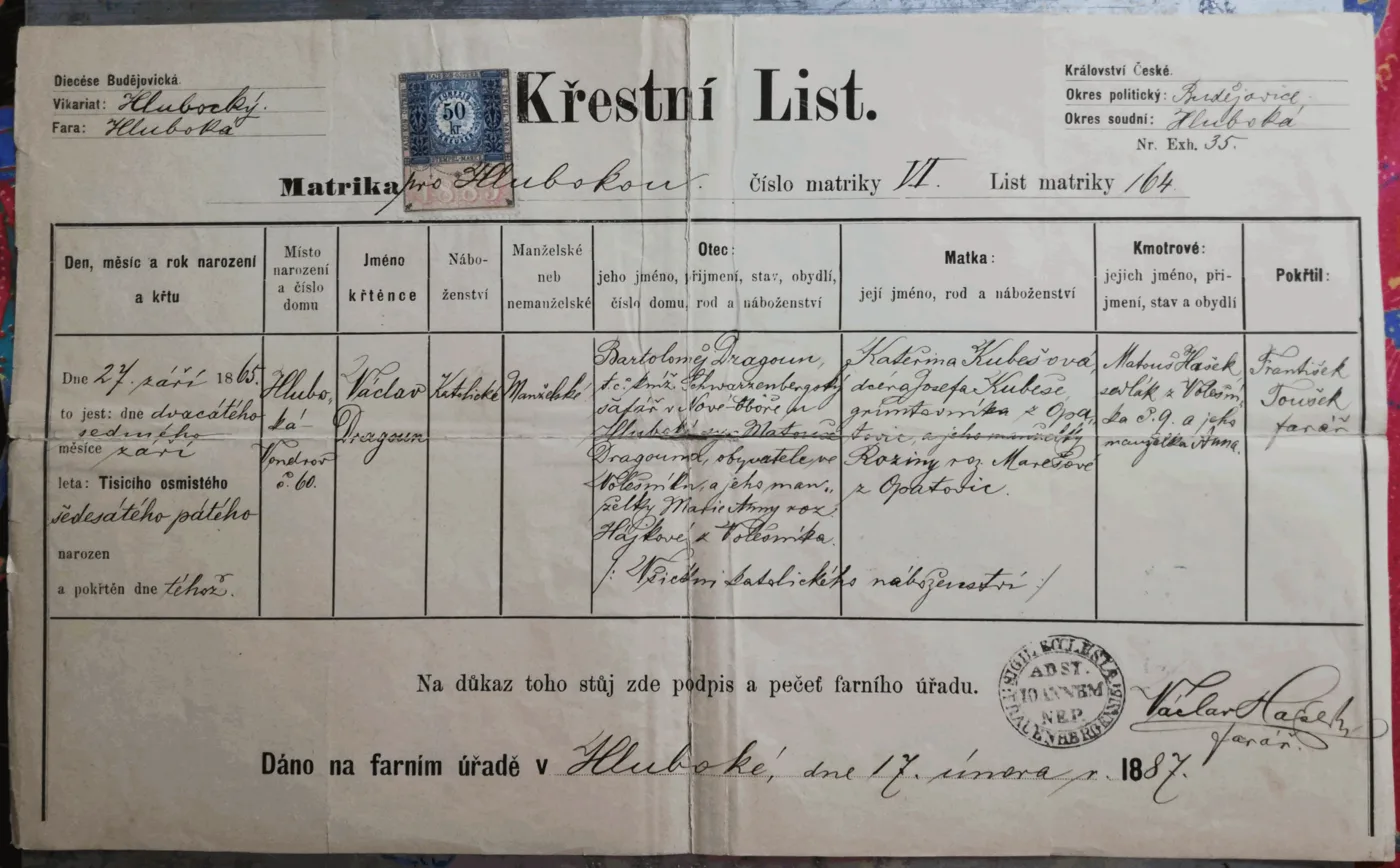
6. Revenue and Fiscal Stamps
Stamps used for tax and revenue purposes rather than postage:
- Purpose: Used to collect taxes on documents, tobacco, alcohol, and other goods.
- Design Characteristics: Often similar to postage stamps but may have distinctive design elements indicating their fiscal purpose.
- Collecting Interest: Collected by specialists interested in fiscal history and tax documentation.
- Identification Challenges: May be confused with postage stamps, requiring careful examination of design and context.
Printing Methods and Techniques
Understanding printing methods is crucial for identification because different techniques produce distinctive characteristics visible under magnification:
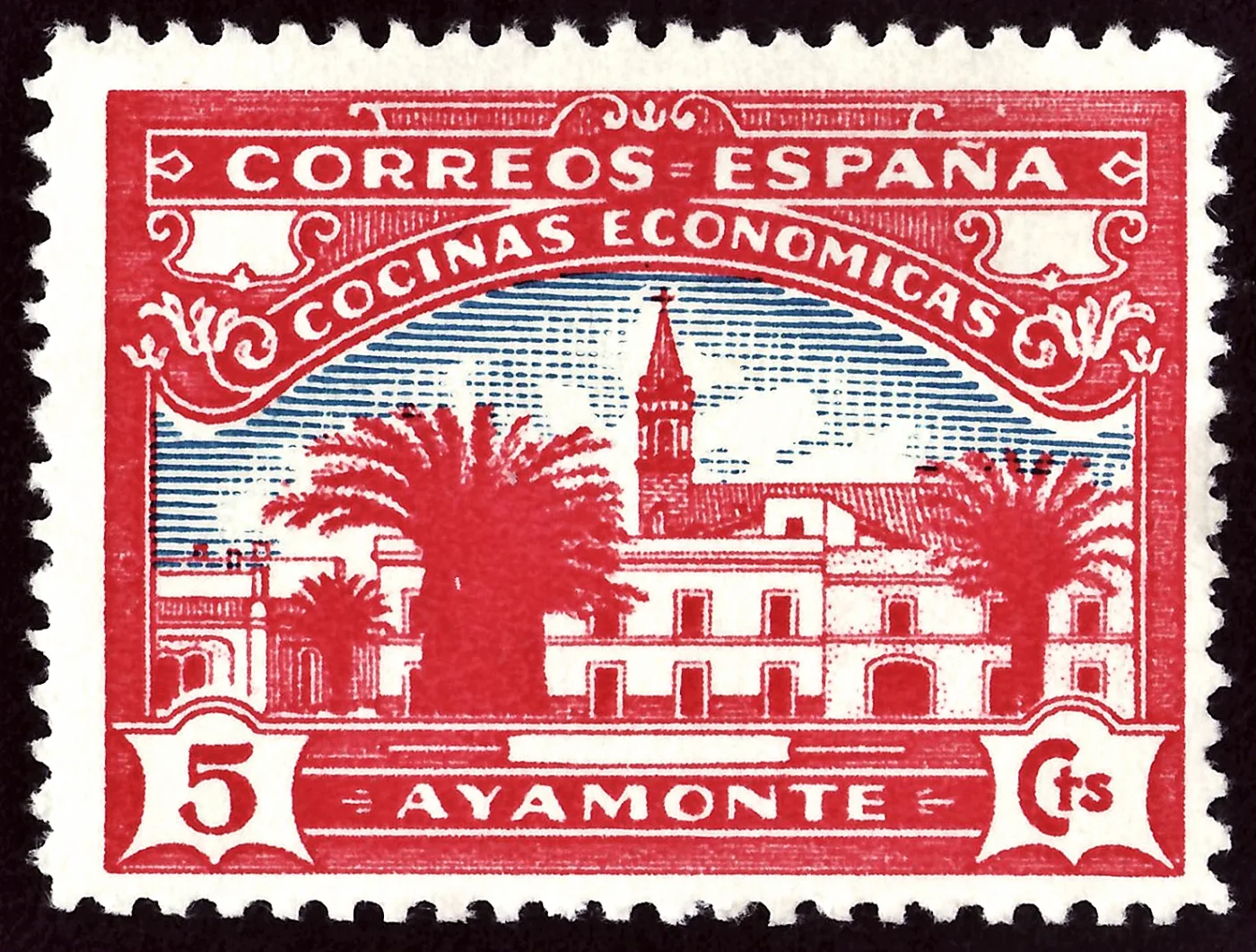
1. Engraving (Intaglio)
Engraving produces high-quality stamps with fine detail:
- Process: Design is cut into a metal plate, ink is forced into the grooves, and paper is pressed onto the plate under high pressure.
- Characteristics: Raised ink on the paper surface, crisp, clear lines, and distinctive feel when touched. Fine detail and sharp edges.
- Period Use: Common in classic era stamps and high-value issues. Still used for some modern stamps requiring security features.
- Identification: Look for raised ink texture, extremely sharp detail, and the distinctive "bite" that presses the design into the paper.
2. Letterpress (Relief Printing)
Letterpress was common in early stamp production:
- Process: Raised surfaces on a plate are inked and pressed onto paper.
- Characteristics: Slight indentation on the paper where the plate pressed, ink may be slightly thicker around edges, sometimes shows plate characteristics.
- Period Use: Used extensively in 19th century, especially for early US and British stamps.
- Identification: Look for slight indentation in paper and characteristic ink distribution patterns.
3. Lithography
Lithography uses the principle that oil and water don't mix:
- Process: Design is drawn on stone or metal plate with greasy material, then inked. Paper is pressed onto the plate.
- Characteristics: Flat ink surface, smooth appearance, may show characteristic "orange peel" texture in some cases, colors may appear more uniform.
- Period Use: Common from mid-19th century onward, especially for multicolor stamps.
- Identification: Flat ink surface, smooth texture, and sometimes visible dot patterns in detailed areas.
4. Photogravure (Rotogravure)
Photogravure produces high-quality photographic images:
- Process: Image is etched into a cylinder using photographic and chemical processes, then printed on rotary presses.
- Characteristics: Smooth, continuous-tone appearance, excellent color reproduction, distinctive dot pattern visible under magnification (unlike offset).
- Period Use: Became popular in early 20th century, especially for commemorative stamps with photographic images.
- Identification: Look for distinctive dot pattern in continuous-tone areas, smooth appearance, and excellent detail reproduction.
5. Offset Lithography
Modern offset printing is most common today:
- Process: Image is transferred from plate to rubber blanket, then to paper. Used for most modern stamps.
- Characteristics: Very flat ink surface, fine dot pattern (halftone screen), uniform color, sharp edges, no texture.
- Period Use: Dominant from mid-20th century to present.
- Identification: Flat, smooth appearance with fine halftone dot pattern visible under magnification.
6. Embossing
Embossing creates raised or recessed designs:
- Process: Paper is pressed between dies to create raised or recessed areas, sometimes with foil or additional printing.
- Characteristics: Three-dimensional effect, raised or recessed areas, often combined with other printing methods.
- Period Use: Used for special issues, high-value stamps, or security features.
- Identification: Clearly visible raised or recessed areas, can be felt by touch.
Perforations, Watermarks, and Paper Types
These technical features are essential identification elements that distinguish between different printings and issues of the same design:
Perforations
Perforations (holes between stamps) were introduced to make separation easier:
- History: Early stamps were imperforate (no holes) and had to be cut apart with scissors. Perforations were introduced in 1854.
- Measurement: Measured as the number of holes per 2 centimeters using a perforation gauge. Common measurements range from 8 to 16.
- Types:
- Line Perforations: Holes punched in straight lines, may vary between horizontal and vertical measurements.
- Comb Perforations: Three sides perforated at once, creating uniform corner perforations.
- Harrow Perforations: All sides perforated simultaneously, creating perfectly uniform corners.
- Identification Importance: Different perforation measurements often indicate different printings or issues, significantly affecting value.
- Imperforate Stamps: Stamps without perforations are often more valuable, especially if perforated versions also exist.
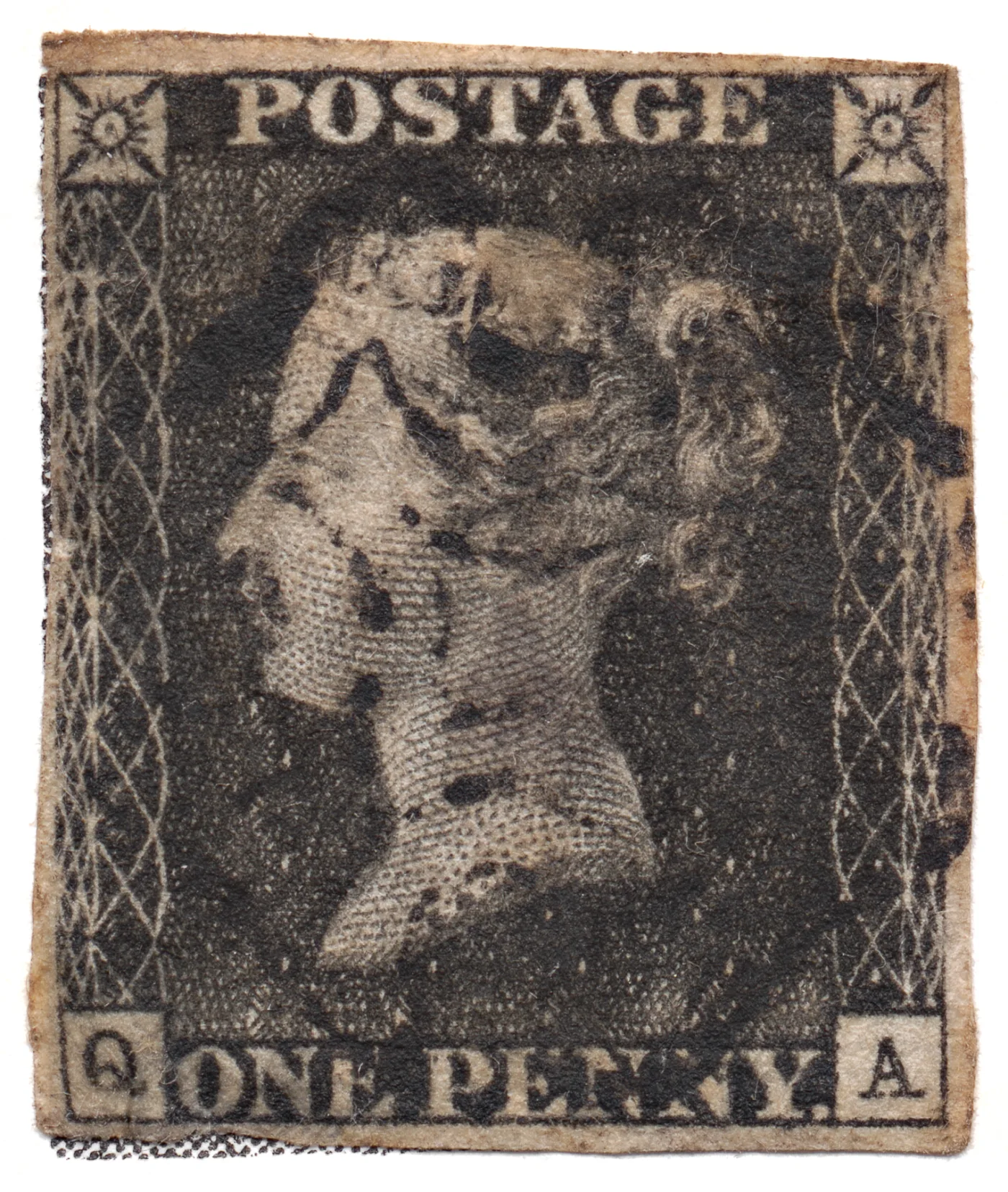
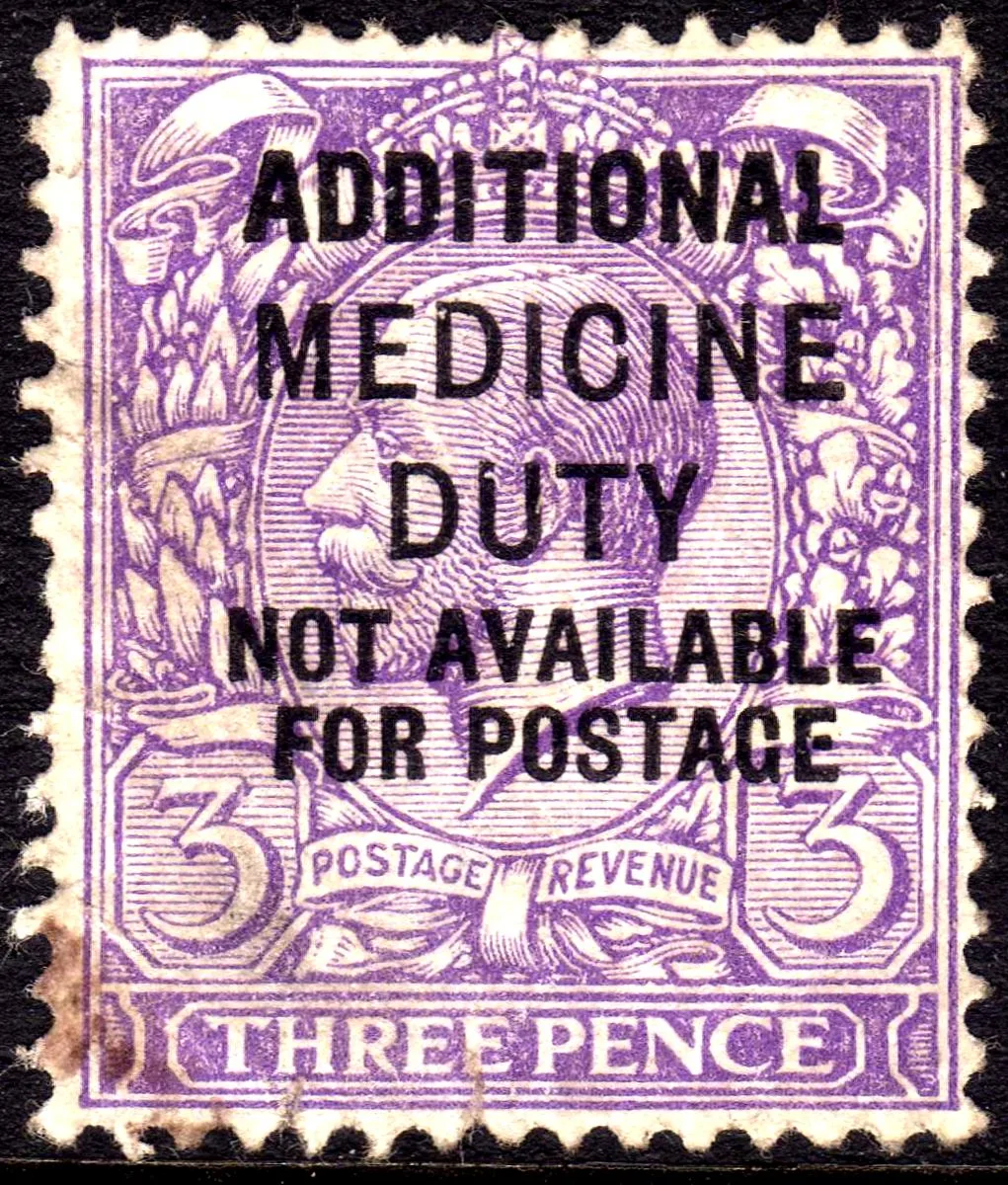
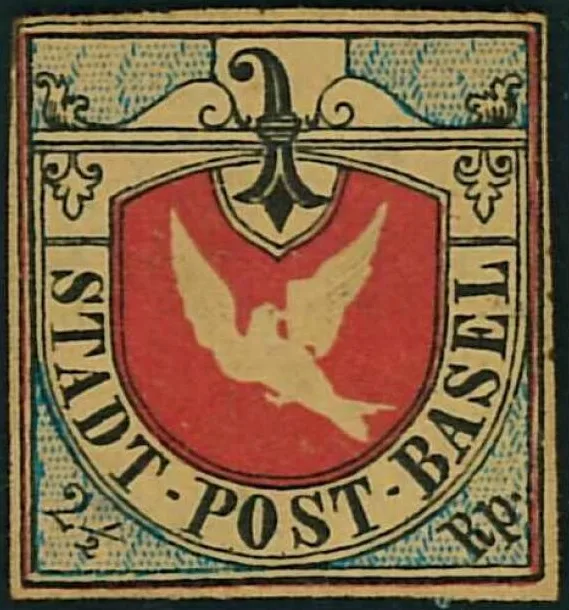
Edge type is the fastest bracket you can put on an unfamiliar stamp and it needs no equipment at all. Straight cut edges put a British stamp before 1854; toothed edges put it after, and the same break falls within a decade or two in most other countries. Once a stamp is perforated the count matters more than the fact: a gauge measures how many holes fall in two centimetres, and one design perforated 14 by one contractor and 12½ by another is two catalogue entries at two prices. Both examples above also show why edges are graded and not merely measured — a hand-cut stamp is judged on how much blank paper survives outside the frame line, a perforated one on whether the teeth are complete and the design sits square inside them.
Watermarks
Watermarks are designs or patterns embedded in paper during manufacture:
- Purpose: Originally used for security and quality control, watermarks help prevent counterfeiting and identify paper sources.
- Detection: Visible when viewed against light (transmitted light) or when using watermark detection fluid. Some watermarks are easy to see, others require careful examination.
- Types:
- Single Watermarks: One watermark per stamp.
- Multiple Watermarks: Several watermark designs repeated across a sheet.
- All-Over Watermarks: Pattern repeated continuously across the entire sheet.
- Orientation: Watermarks can be upright, sideways, or inverted relative to the stamp design. Orientation can create valuable varieties.
- Identification Importance: Different watermarks often distinguish between printings, even when designs appear identical. Catalog numbers often specify watermark types.
Paper Types
Paper characteristics provide important identification clues:
- Wove Paper: Most common type, with uniform texture and no visible pattern. Standard for most modern stamps.
- Laid Paper: Shows parallel lines (laid lines) and perpendicular chain lines, visible when viewed against light. Common in early stamps.
- Ribbed Paper: Shows parallel ribs or lines, often used in early 20th century stamps.
- Granite Paper: Contains colored fibers or specks mixed into the paper pulp for security.
- Chalky Paper: Coated with chalk or clay to improve printing quality and prevent cleaning and reuse of used stamps.
- Paper Thickness: Varies between printings and can be measured with calipers. Thick and thin paper varieties exist for many stamps.
- Color: Paper color can vary (white, cream, bluish, etc.) and may indicate different printings.
Gum (Adhesive)
For unused stamps, gum characteristics provide identification information:
- Types:
- Gum Arabic: Early gum made from acacia tree sap, appears shiny and smooth.
- Dextrin Gum: Made from starch, appears less shiny, may crack with age.
- PVA (Polyvinyl Acetate): Modern synthetic gum, appears very shiny and uniform.
- Application Methods:
- Overall Gum: Applied across entire back surface.
- Part Gum: Applied only to specific areas.
- Pattern Gum: Applied in distinctive patterns (dots, lines, etc.).
- Condition Issues: Toned gum (discolored), cracked gum, or regummed stamps (gum reapplied, reducing value) affect both identification and value.

Country and Issuer Identification
Identifying the issuing country or postal authority is the first critical step in stamp identification:
Country Names and Inscriptions
Most stamps include the country name, though formats vary:
- Full Country Names: Many stamps include complete country names (UNITED STATES, FRANCE, GREAT BRITAIN, etc.).
- Abbreviations: Common abbreviations include U.S.A., G.B., U.S.S.R., etc. Some abbreviations may be unfamiliar to modern collectors.
- Native Language Names: Countries often use their native language (DEUTSCHES REICH for Germany, HELVETIA for Switzerland, etc.).
- Historical Names: Country names change over time (e.g., Ceylon became Sri Lanka, Persia became Iran), providing dating clues.
- Missing Country Names: Great Britain is unique in not printing the country name on stamps, using only the monarch's portrait as identification.
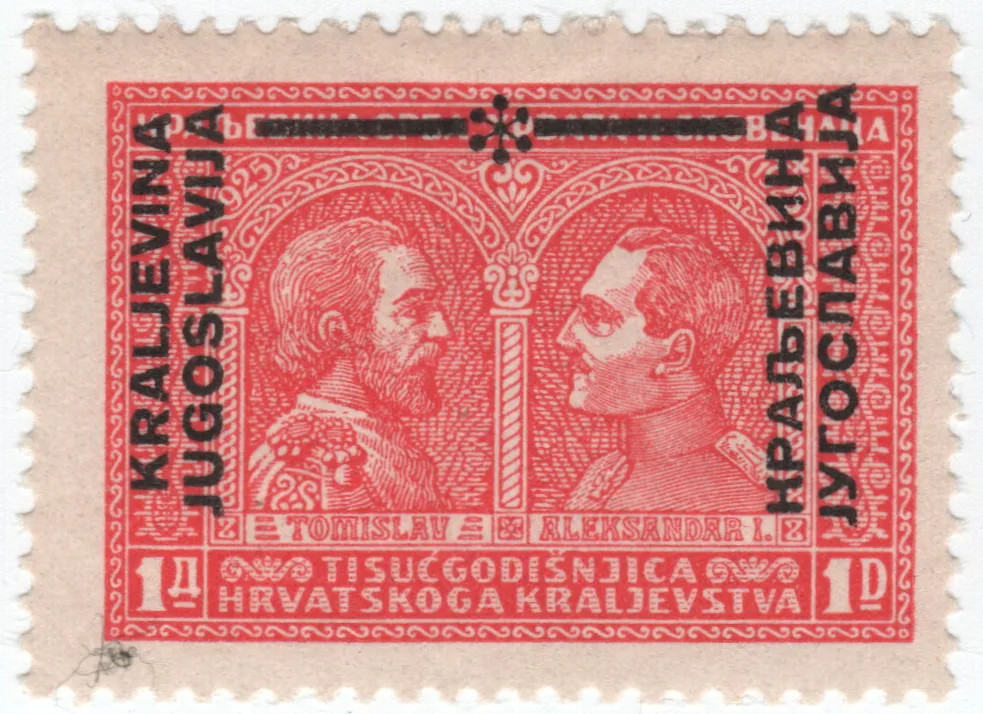
National Symbols and Design Elements
Visual elements often identify countries even without text:
- Monarch Portraits: Rulers' portraits are highly distinctive. Queen Victoria, King George V, or specific presidents can immediately identify countries and date ranges.
- National Emblems: Flags, coats of arms, national birds, flowers, or other symbols identify countries.
- Architectural Features: Famous buildings or landmarks (Eiffel Tower for France, Statue of Liberty for US, etc.) appear on many stamps.
- Cultural Icons: Distinctive cultural elements (mountains for Switzerland, tulips for Netherlands, etc.) appear frequently.
Colonial and Territory Issues
Stamps from colonies and territories require special attention:
- Parent Country Designs: Many colonial stamps use designs similar to the parent country with local modifications.
- Overprints: Colony names or values often appear as overprints on parent country stamps.
- Distinctive Designs: Some colonies developed unique designs featuring local subjects.
- Historical Context: Understanding colonial history helps identify stamps from former colonies, especially during transition periods.
- Commonwealth Issues: British Commonwealth countries often share design elements while maintaining distinct identities.
Special Postal Authorities
Various authorities issue stamps beyond national governments:
- Local Posts: Private or local postal services, especially in early periods, issued their own stamps.
- Military Posts: Armed forces sometimes issued stamps for military mail.
- Occupied Territories: Stamps issued during military occupations may have distinctive characteristics or overprints.
- International Organizations: United Nations and other international bodies issue stamps.
Dating Antique Stamps
Determining when a stamp was issued requires combining multiple clues and research techniques:
1. Date Inscriptions
Some stamps include dates, though interpretation varies:
- Issue Dates: Some commemorative stamps include the issue date or year in the design.
- Anniversary Dates: Commemorative stamps may show the date of the event being commemorated, not the issue date.
- Historical Context: Understanding what dates refer to requires knowledge of the stamp's purpose and historical context.
2. Ruler and Portrait Dating
Monarchs and leaders provide dating information:
- Reign Periods: Knowing when specific rulers reigned provides date ranges. For example, stamps with Queen Victoria date from 1840-1901.
- Portrait Evolution: As rulers aged, their portraits on stamps changed, allowing more precise dating within a reign.
- Political Changes: Changes in government, such as the establishment of republics or changes in leadership, result in new stamp series.
3. Design and Style Analysis
Artistic styles reflect their periods:
- Period Styles: Art Nouveau, Art Deco, Modernist, and other design movements appear in stamps of their respective eras.
- Typography Changes: Font styles and typographic conventions change over time, providing dating clues.
- Color Trends: Color palettes and printing capabilities evolved, with early stamps often monochrome and later stamps multicolor.
4. Printing Technology Dating
Printing methods reflect available technology:
- Technology Timeline: Engraving and letterpress dominated the 19th century, lithography became common in the late 19th/early 20th century, photogravure appeared in the early 20th century, and offset became standard from mid-20th century.
- Quality Improvements: As printing technology improved, stamp quality generally increased, though high-quality methods were sometimes used for special issues.
- Country Variations: Different countries adopted new technologies at different rates, so country-specific knowledge is important.
5. Paper and Watermark Dating
Paper characteristics change over time:
- Watermark Changes: Countries often changed watermark designs at specific times, providing dating markers.
- Paper Type Evolution: Transitions from laid to wove paper, or changes in paper composition, occur at known dates.
- Security Features: Introduction of chalky paper, security threads, or other anti-fraud measures occurred at specific times.
6. Postal Rate Dating
Denominations reflect postal rates of their era:
- Rate History: Postal rates changed over time, so knowing rate histories helps date stamps.
- Rate Categories: Different denominations correspond to letter rates, postcard rates, registered mail, etc., at specific times.
- Inflation Effects: As postage rates increased, higher denominations appeared, providing relative dating clues.
7. Catalog Research
Standard catalogs provide official issue dates:
- Catalog Listings: Once a stamp is identified, catalogs provide exact or approximate issue dates.
- Historical Context: Catalogs often include historical notes explaining why stamps were issued, providing additional context.
- Multiple Catalogs: Different catalogs may provide different levels of detail, so consulting multiple sources is valuable.
Stamp Varieties, Errors, and Special Issues
Understanding varieties and errors adds depth to collecting and can significantly affect value:
Color Varieties
Different printings often show color variations:
- Shade Differences: Same stamps printed at different times may show slight color shade differences due to ink mixing variations.
- Color Guides: Standard color guides help identify and name specific shades accurately.
- Value Impact: Some shade varieties are common, while others are rare and valuable.
- Fading Issues: Distinguish between original shade varieties and stamps that have faded due to light exposure or chemical action.
Perforation Varieties
Perforation differences create collectible varieties:
- Measurement Variations: Same design may exist with different perforation measurements.
- Imperforate Varieties: Some stamps exist both perforated and imperforate, with imperforate often being rarer.
- Perforation Errors: Missing or incorrect perforations on one or more sides create error varieties.
- Gutter Pairs: Stamps with perforations through the center (gutter) are often valuable errors.
Watermark Varieties
Watermark differences distinguish printings:
- Watermark Changes: Same design may exist with different watermarks from different printing periods.
- Watermark Orientation: Upright, sideways, or inverted watermarks create varieties.
- Missing Watermarks: Stamps that should have watermarks but don't (due to printing on wrong paper) are errors.
Printing Errors
Mistakes during printing create valuable error stamps:
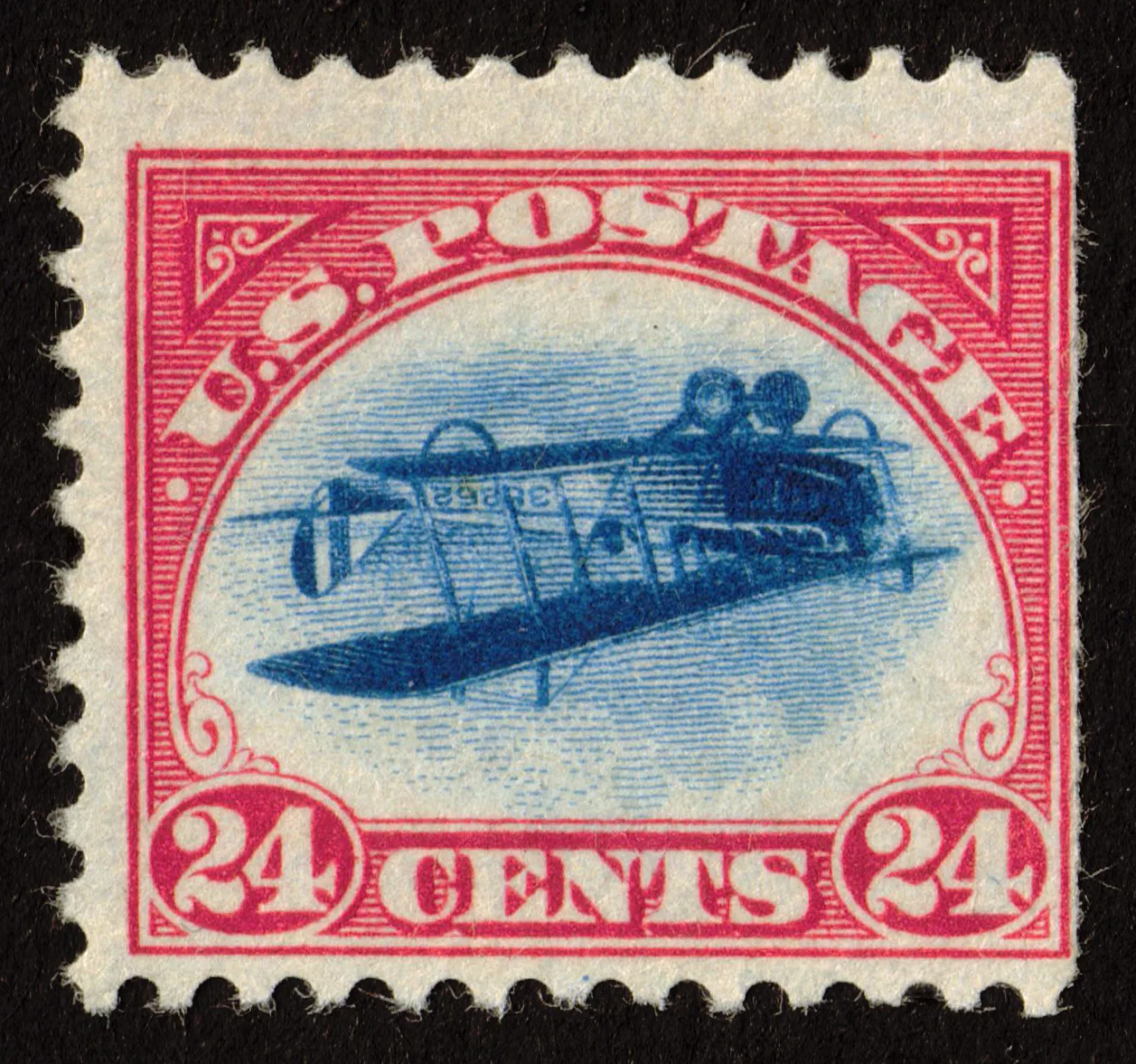
- Inverted Designs: Parts of the design printed upside-down (most famous: US Inverted Jenny airmail stamp).
- Missing Colors: One or more colors not printed, creating unusual appearances.
- Double Impressions: Stamp printed twice, creating overlapping or offset images.
- Wrong Colors: Colors printed in incorrect positions or using wrong ink.
- Design Errors: Spelling mistakes, incorrect images, or other design flaws.
Overprints and Surcharges
Additional printing added to existing stamps creates varieties:
- Purpose: Overprints indicate changed postal rates, new countries, special uses, or commemorative purposes.
- Types: Text overprints, value surcharges (new denominations), or combination of both.
- Varieties: Different overprint styles, positions, or errors create collectible varieties.
- Historical Significance: Overprints often document important historical events or political changes.
First Day Covers and Special Cancellations
Stamps on envelopes with special markings:
- First Day Covers (FDCs): Envelopes with stamps canceled on their first day of issue, often with special postmarks.
- Special Cancellations: Unique postmarks for events, anniversaries, or locations.
- Collecting Interest: Popular collecting specialty that combines stamps with postal history.
Authentication and Detecting Counterfeits
Counterfeiting has been a problem in philately since the hobby's earliest days. Learning to detect fakes is essential:
Common Types of Counterfeits
Understanding what counterfeiters create helps with detection:
- Complete Fakes: Stamps entirely created by counterfeiters, often copying rare and valuable originals.
- Reprints: Legitimate stamps reprinted outside official authority, sometimes for legitimate purposes (exhibitions, etc.) but sold as originals.
- Forgeries: Stamps created to defraud postal systems or collectors, often of common stamps used to make rare ones.
- Alterations: Common stamps altered to resemble rare varieties (regummed, reperforated, color changes, etc.).
- Repaired Stamps: Damaged stamps repaired to appear in better condition.
Detection Techniques
Multiple examination methods help identify counterfeits:
- Printing Method Comparison: Compare the printing method with known authentic examples. Counterfeits often use different (usually inferior) printing methods.
- Paper Examination: Check paper type, texture, and watermark. Counterfeiters rarely have access to original paper stocks.
- Perforation Analysis: Measure perforations carefully. Counterfeits often have incorrect or irregular perforations.
- Color Comparison: Compare colors with authentic examples. Counterfeits often have incorrect colors or shades.
- Design Details: Use magnification to examine fine details. Counterfeits often show blurriness, missing details, or incorrect proportions.
- Gum Examination: For unused stamps, examine gum type and application. Regummed stamps show signs of modern gum application.
Professional Authentication
For valuable stamps, professional authentication is recommended:
- Expertization Services: Professional organizations (like the American Philatelic Expertizing Service, British Philatelic Association, etc.) provide authentication.
- Certificates: Authentic stamps receive certificates of authenticity that are widely accepted in the collecting community.
- When to Expertize: Consider expertization for stamps worth more than a few hundred dollars, or whenever authenticity is in doubt.
- Cost Consideration: Expertization has costs, so balance expense against stamp value and importance.
Red Flags and Warning Signs
Common indicators that warrant extra caution:
- Prices Too Good to Be True: Rare stamps offered at suspiciously low prices are often counterfeits.
- Unusual Sources: Be cautious with stamps from unknown dealers, especially online sellers with no established reputation.
- Poor Quality Reproductions: Obviously poor printing quality, incorrect colors, or blurred details indicate counterfeits.
- Missing Certificates: High-value stamps should have certificates of authenticity. Their absence isn't proof of counterfeiting but warrants investigation.
- Alteration Signs: Look for signs of regumming (modern gum on old stamps), reperforation (incorrect or added perforations), or other alterations.
Condition Assessment and Grading
Stamp condition significantly affects value. Understanding grading standards is essential for collectors:
Standard Condition Grades
International grading standards provide consistent condition assessment:
- Superb (S): Perfect condition, perfectly centered, full original gum (for unused), no flaws whatsoever. Extremely rare.
- Extremely Fine (XF): Nearly perfect, excellent centering, very fresh appearance, minimal if any flaws.
- Very Fine (VF): Excellent condition, good centering, fresh appearance, may have very minor flaws not affecting overall appearance.
- Fine (F): Good condition, acceptable centering, may show minor wear or small flaws, but overall attractive.
- Very Good (VG): Average condition, fair centering, noticeable wear or flaws, but design clearly visible.
- Good (G): Below average condition, poor centering, significant wear or flaws, but identifiable and collectible.
- Fair/Poor: Poor condition with major flaws, significant wear, or damage. May still have value if rare, but condition severely limits worth.
Centering
How well the design is centered on the stamp is crucial:
- Perfect Centering: Design perfectly centered with equal margins on all sides. Rare and highly valued.
- Well Centered: Design slightly off-center but margins are balanced and attractive.
- Off-Center: Design noticeably off-center, with uneven margins, but design not cut off.
- Poorly Centered: Design significantly off-center, may approach perforations on one or more sides.
- Very Poor Centering: Design touches or is cut by perforations on one or more sides.
Common Condition Issues
Various flaws affect condition and value:
- Creases: Folds or creases in the paper, often reducing grade significantly. Light creases less damaging than heavy ones.
- Thins: Areas where paper is thinner, often from removal from envelope or handling damage. Visible when viewing stamp against light.
- Tears: Actual tears in the paper, severely affecting value unless very minor and in margins.
- Holes: Holes from pins, staples, or other damage. Usually severely reduce value.
- Stains: Discoloration from moisture, chemicals, or other sources. May be removable by experts, but often permanent.
- Faded Colors: Colors faded from light exposure or chemical action. Often reduces value significantly.
- Cancel Quality: For used stamps, light, clear cancels are preferred over heavy, unsightly ones.
- Gum Condition: For unused stamps, original, undisturbed gum is ideal. Toned, cracked, or missing gum reduces value.
Used vs. Unused Condition
Different considerations apply to used and unused stamps:
- Unused Stamps: Must have original gum in good condition. Regummed stamps (gum reapplied) are worth significantly less than original gum examples.
- Used Stamps: Condition focuses on centering, cancel quality, and absence of damage. Light, clear cancels preferred.
- Mint Never Hinged (MNH): Unused stamps with original gum that has never been hinged (attached to album). Premium condition.
- Mint Hinged (MH): Unused stamps with original gum that shows evidence of previous hinging. Common condition, worth less than MNH.
Valuation and Market Considerations
Understanding stamp values requires knowledge of multiple factors beyond simple catalog listings:
Catalog Values vs. Market Values
Understanding the difference is crucial:
- Catalog Values: Published in standard catalogs (Scott, Stanley Gibbons, etc.), representing estimated retail values for stamps in very fine condition.
- Market Reality: Actual selling prices often differ from catalog values. Common stamps may sell for 20-50% of catalog, while rare stamps may exceed catalog.
- Condition Adjustments: Catalog values assume very fine condition. Lower grades are worth less, while superb examples may exceed catalog.
- Market Conditions: Values fluctuate based on collector demand, economic conditions, and market trends.
Factors Affecting Value
Multiple factors determine stamp worth:
- Rarity: How many examples exist. Rarity is the primary driver of value for many stamps.
- Demand: Popular collecting areas command higher prices. Classic stamps, certain countries, or popular themes have strong demand.
- Condition: Better condition commands significantly higher prices. Superb examples can be worth many times more than fine examples.
- Historical Significance: Stamps with important historical connections (first issues, wartime issues, etc.) often command premiums.
- Errors and Varieties: Rare errors or varieties can be extremely valuable, while common varieties add little value.
- Provenance: Stamps from famous collections or with documented history may command premiums.
Market Sources and Trends
Understanding market dynamics helps with valuation:
- Auctions: Major auction houses (Sotheby's, Christie's, specialized philatelic auctions) set market benchmarks for rare stamps.
- Dealers: Retail dealers typically charge retail prices (often close to catalog), while buying from collectors yields wholesale prices.
- Online Markets: eBay and specialized philatelic websites provide market price information, though condition and authenticity vary widely.
- Collector Networks: Direct sales between collectors often yield fair market prices, though expertise is needed to assess value accurately.
- Market Trends: Collecting interests change over time. Currently popular areas command higher prices, while neglected areas may be undervalued.
Investment Considerations
While some view stamps as investments, approach with caution:
- Collecting vs. Investing: Most collectors focus on enjoyment and preservation, not financial returns. Investment success requires significant expertise.
- Liquidity: Stamps are less liquid than stocks or bonds. Selling requires finding buyers, which can take time.
- Costs: Buying at retail and selling at wholesale creates significant spreads. Transaction costs, insurance, and storage add expenses.
- Market Volatility: Stamp values can fluctuate significantly. Rare stamps may appreciate, but common stamps often decline in real value.
- Expertise Required: Successful stamp investing requires deep knowledge to identify undervalued items and avoid counterfeits.
Preservation and Care
Proper care ensures stamps maintain their condition and value over time:
Storage Conditions
Environment significantly affects stamp preservation:
- Temperature and Humidity: Store in stable, moderate conditions (around 70°F, 50% relative humidity). Avoid extreme temperatures and high humidity, which promote deterioration.
- Light Exposure: Keep stamps away from direct sunlight and strong artificial light, which fade colors. Store in dark places when not being examined.
- Air Quality: Avoid areas with pollution, smoke, or chemical fumes, which can damage stamps over time.
- Acid-Free Materials: Use only acid-free albums, mounts, and storage materials. Acidic materials cause yellowing and deterioration.
Handling Practices
Proper handling prevents damage:
- Always Use Tongs: Never handle stamps with fingers. Oils, moisture, and pressure damage stamps. Use stamp tongs exclusively.
- Clean Hands and Workspace: Wash hands before handling stamps and use a clean, dry workspace free of oils and moisture.
- Minimal Handling: Handle stamps as little as possible. Once properly mounted, leave them in place.
- Support Stamps: When handling, support stamps fully to prevent bending or creasing. Never pick up by one corner.
Storage Methods
Choose appropriate storage based on collection size and needs:
- Stamp Albums: Traditional albums with mounts provide safe, organized storage. Use quality albums with acid-free pages and proper mounts.
- Stock Books: Good for temporary storage or large collections. Use clear strips that don't damage stamps.
- Glassine Envelopes: Acid-free glassine envelopes protect individual stamps or small groups. Store envelopes in acid-free boxes.
- Climate-Controlled Storage: For valuable collections, consider climate-controlled storage units or safes.
- Protection from Pests: Protect stamps from insects, rodents, and other pests that can cause damage.
Mounting and Hinging
Proper mounting protects stamps:
- Hinges: Traditional method using small gummed paper hinges. Only for used stamps or stamps you don't mind reducing to "hinged" condition.
- Mounts (Hinge-Less): Clear plastic mounts that hold stamps without attaching to them. Preferred for unused stamps to maintain "never hinged" condition.
- Quality Materials: Use only acid-free, archival-quality mounting materials. Cheap materials damage stamps over time.
- Proper Application: If using hinges, learn proper application techniques to minimize damage. Consider professional mounting for valuable stamps.
Cleaning and Restoration
Cleaning requires extreme caution:
- General Rule: Don't clean stamps unless absolutely necessary and you have proper expertise. Many cleaning attempts cause more damage.
- Professional Restoration: For valuable stamps, consider professional restoration services from experienced philatelic conservators.
- Removing from Envelopes: If removing stamps from paper, use proper techniques (soaking for water-activated gum, careful cutting for self-adhesive, etc.).
- Avoid Chemicals: Never use harsh chemicals, bleaches, or cleaning solutions unless you have specific expertise. Most cause permanent damage.
Insurance and Documentation
Protect your investment with proper documentation:
- Inventory Lists: Maintain detailed lists of your collection with catalog numbers, descriptions, and values.
- Photographs: Photograph valuable stamps for insurance and identification purposes.
- Appraisals: For valuable collections, consider professional appraisals for insurance purposes.
- Insurance Coverage: Ensure your collection is properly insured against theft, fire, and other damage.
Building Your Philatelic Knowledge
Continuous learning is essential for successful stamp collecting and identification:
Study Resources
Multiple resources help build expertise:
- Standard Catalogs: Invest in appropriate catalogs for your collecting interests. Catalogs are essential references providing identification, pricing, and historical information.
- Specialized Guides: Books and guides focusing on specific countries, periods, or topics provide in-depth information beyond catalogs.
- Philatelic Literature: Historical books, research articles, and collector publications provide context and detailed information.
- Online Resources: Websites, databases, and digital archives provide searchable information and expert insights.
- Museum Collections: Visiting philatelic museums and exhibitions provides opportunities to study high-quality examples and rare stamps.
Joining Collector Organizations
Connecting with other collectors accelerates learning:
- National Societies: Organizations like the American Philatelic Society, Royal Philatelic Society London, etc., provide resources, publications, and networking opportunities.
- Local Clubs: Local stamp clubs offer meetings, shows, and opportunities to learn from experienced collectors.
- Specialty Groups: Organizations focused on specific collecting areas (countries, topics, etc.) provide specialized knowledge and resources.
- Online Forums: Internet forums and social media groups connect collectors worldwide for discussion and identification help.
Attending Shows and Exhibitions
Shows provide learning and purchasing opportunities:
- Stamp Shows: Regular shows feature dealers, exhibits, and educational programs. Excellent places to see stamps, ask questions, and learn.
- Competitive Exhibitions: Exhibitions showcase collections and provide opportunities to see rare stamps and learn from expert presentations.
- Dealer Visits: Visiting established dealers provides opportunities to examine stamps, ask questions, and learn from experts.
- Auctions: Attending auctions (in person or online) provides market education and opportunities to see rare stamps.
Practical Learning
Hands-on experience builds expertise:
- Examine Real Stamps: Regularly examine stamps, both common and rare, to build visual memory and recognition skills.
- Compare Examples: Compare multiple examples of the same stamp to understand normal variations and identify varieties.
- Practice Identification: Regularly practice identification using catalogs and reference materials to build skills.
- Study Collections: Examine collections of experienced collectors when possible to learn from their organization and choices.
Digital Tools and Apps
Modern technology aids identification:
- Identification Apps: Apps like the Antique Identifier can provide instant AI-powered identification assistance, though they complement rather than replace traditional knowledge.
- Digital Catalogs: Online and digital catalogs provide searchable, updatable references beyond printed versions.
- Image Databases: Online image databases help compare stamps and identify varieties.
- Measurement Tools: Digital tools for measuring perforations, dimensions, and other characteristics provide precise data.
Legal and Ethical Considerations
Stamp collecting involves important legal and ethical considerations:
Legal Restrictions
Various laws may affect stamp collecting:
- Export/Import Restrictions: Some countries restrict export of stamps, especially rare or historically significant ones. Understand regulations before buying or selling internationally.
- Cultural Property Laws: Stamps from certain periods or countries may be subject to cultural property protections, restricting trade.
- Counterfeiting Laws: Creating or knowingly selling counterfeit stamps may violate laws, though laws vary by jurisdiction.
- Postal Regulations: Using counterfeit or altered stamps for actual postage is illegal in most countries.
Ethical Collecting Practices
Responsible collecting involves ethical considerations:
- Provenance Research: When possible, research stamp history to ensure they weren't stolen or illegally obtained.
- Respect for Heritage: Some stamps represent cultural heritage. Collectors should respect their historical and cultural significance.
- Honest Dealing: Always accurately represent stamps when buying or selling. Disclose known flaws, restorations, or authentication issues.
- Supporting Legitimate Trade: Purchase from reputable dealers and sources to avoid supporting counterfeiting or illegal trade.
Authentication and Disclosure
Honest representation protects the hobby:
- Disclose Alterations: If selling altered, restored, or repaired stamps, disclose these facts clearly.
- Authentication for Sales: For valuable stamps, provide certificates of authenticity when selling to protect buyers.
- Avoid Misrepresentation: Don't represent common stamps as rare varieties, or lower-grade stamps as higher-grade examples.
- Education Role: Help educate new collectors about proper identification and authentication to strengthen the hobby.
Collection Planning
Consider long-term plans for your collection:
- Estate Planning: Plan for what happens to your collection after your death. Document your wishes and collection information for heirs.
- Donation Considerations: Consider donating collections to museums or institutions to preserve them for future generations.
- Sale Planning: If planning to sell, research market conditions and consider professional assistance for valuable collections.
- Insurance and Security: Protect your collection with proper insurance and security measures, especially for valuable items.
Conclusion
Mastering antique stamp identification opens doors to a fascinating world where history, art, culture, and technology intersect in miniature form. From the classic era's elegant engravings to modern commemorative issues celebrating contemporary events, stamps document human history in ways no other collectible can match. The journey from beginner to expert collector requires patience, dedication, and continuous learning, but the rewards—both intellectual and, potentially, financial—make the effort worthwhile.
Remember that stamp identification is both science and art, requiring careful observation, systematic analysis, and deep knowledge of printing methods, paper characteristics, and historical context. Modern tools like the Antique Identifier app provide valuable assistance, but they complement rather than replace the fundamental skills of careful examination, catalog research, and expert consultation when needed. Whether you're building a comprehensive collection, focusing on a specific country or theme, or simply enjoying the discovery of individual stamps, the principles outlined in this guide will serve you well.
As you continue your philatelic journey, remember that condition preservation, proper storage, and ethical collecting practices protect not only your investment but also these historical artifacts for future generations. Join collector organizations, attend shows, study continuously, and most importantly, enjoy the process of discovery and learning that makes stamp collecting one of the world's most popular and enduring hobbies.